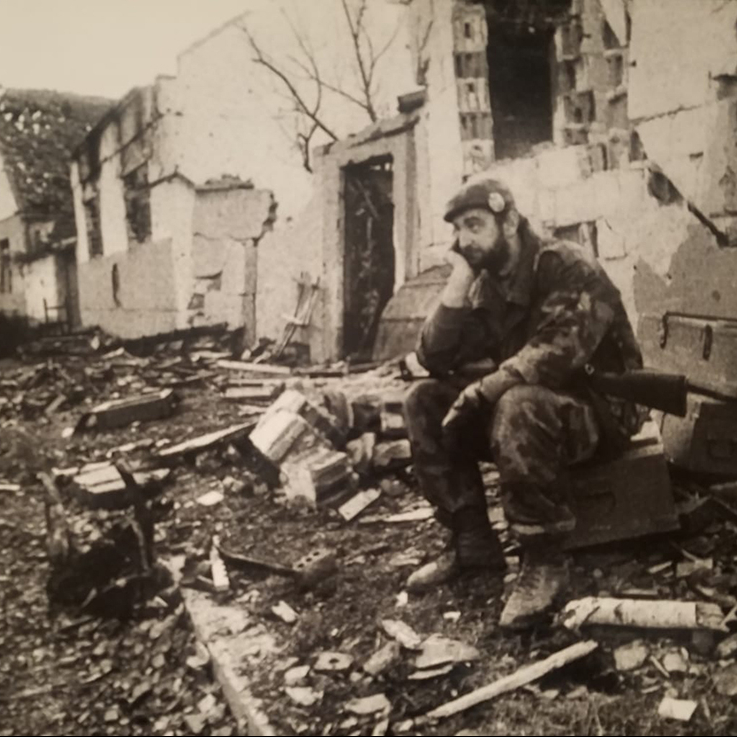
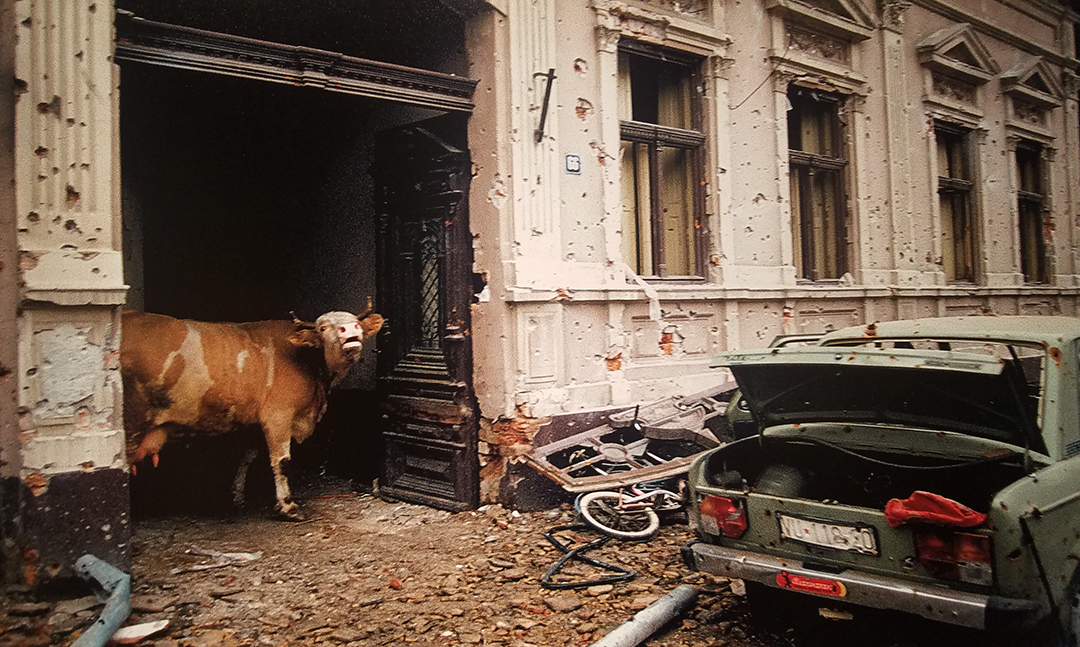
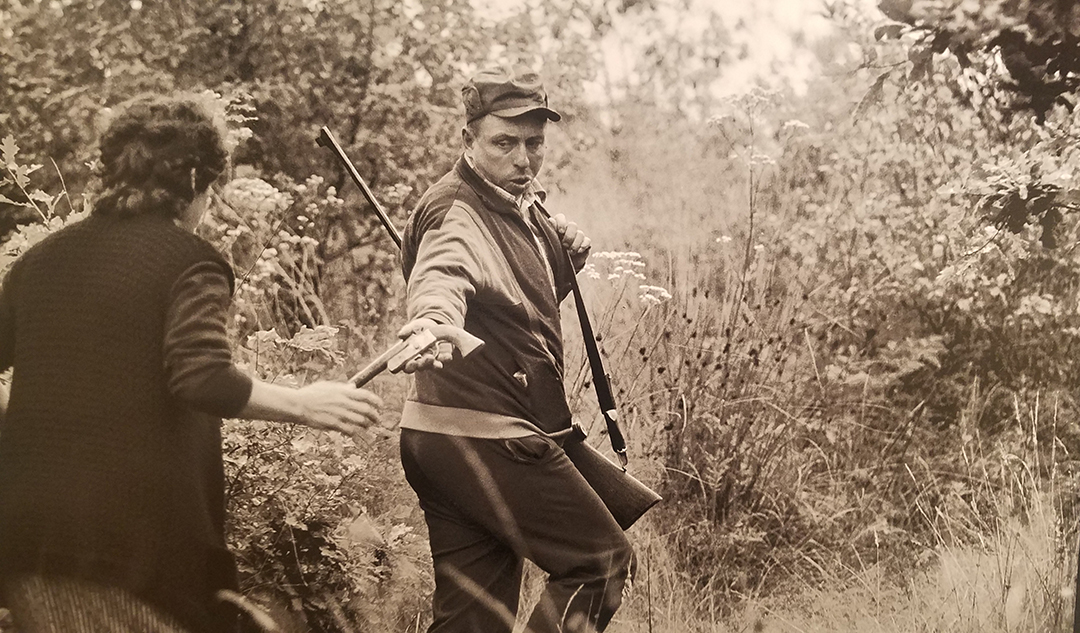
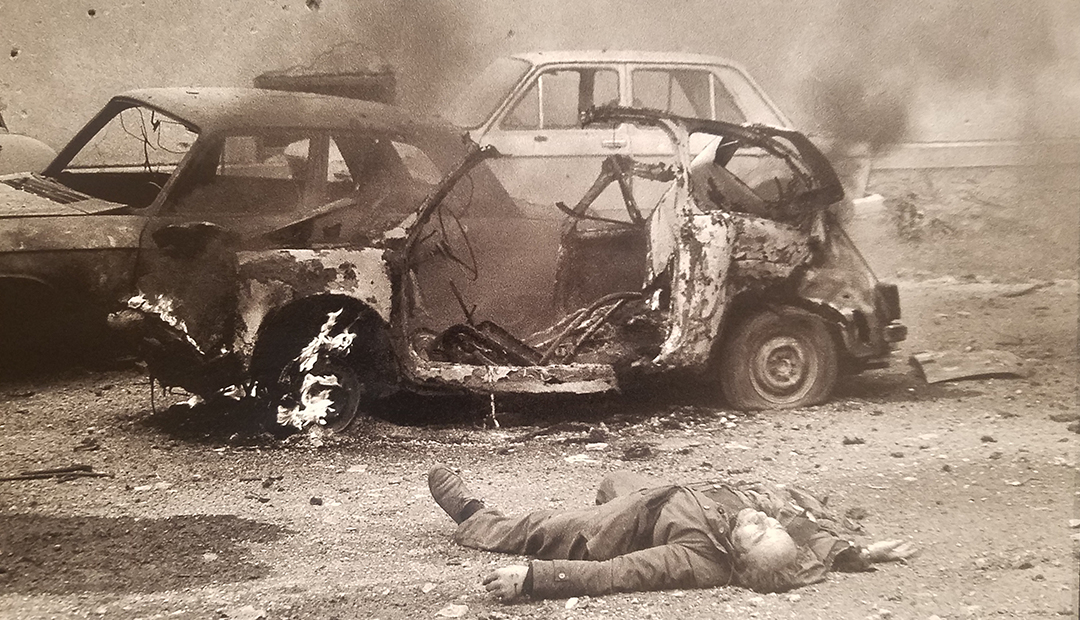
A gallery of photos of the civil wars of Yugoslavia
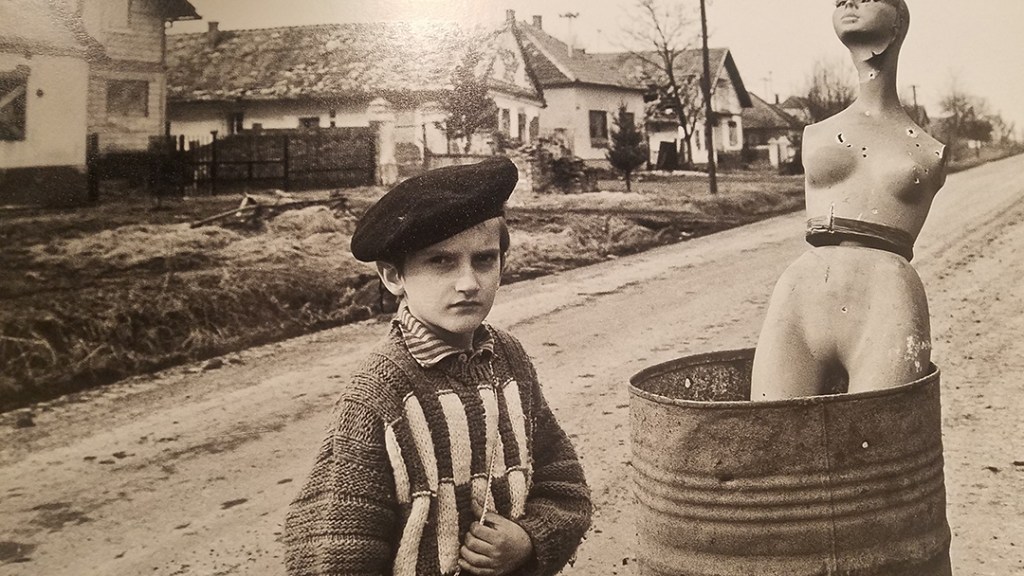
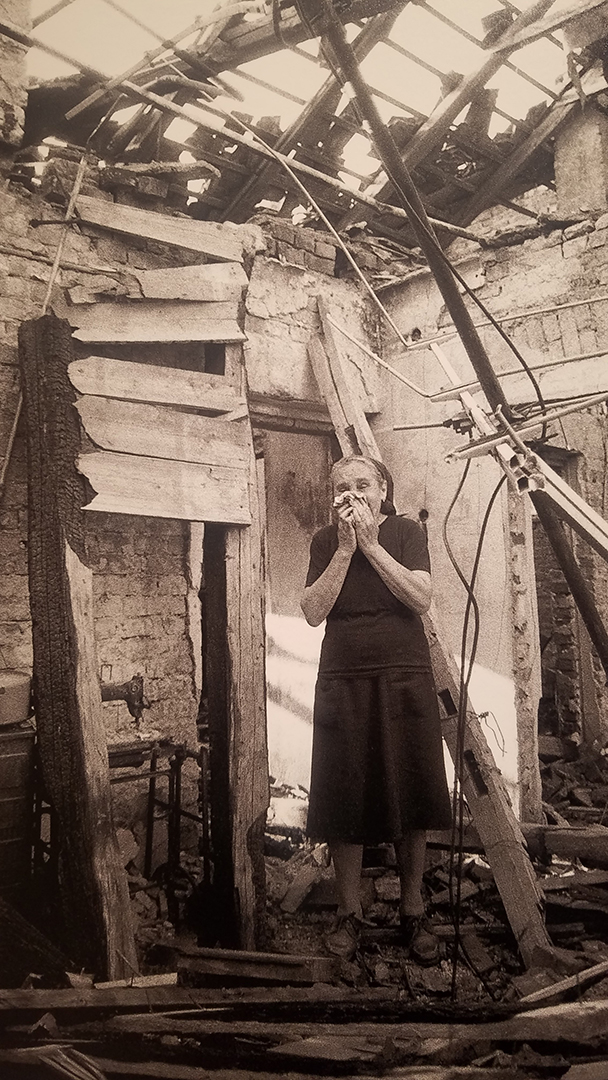
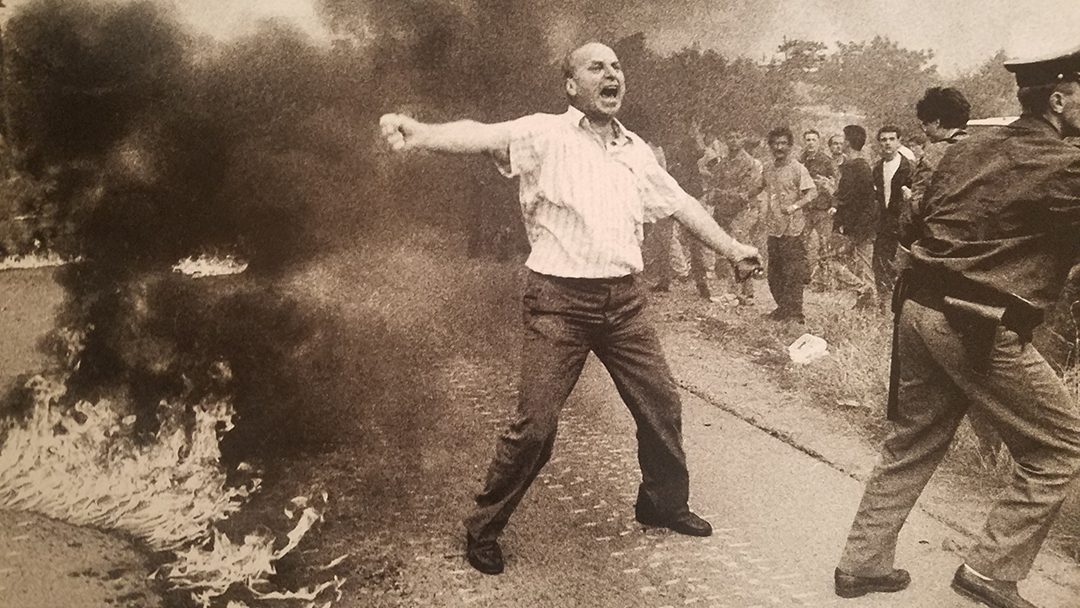
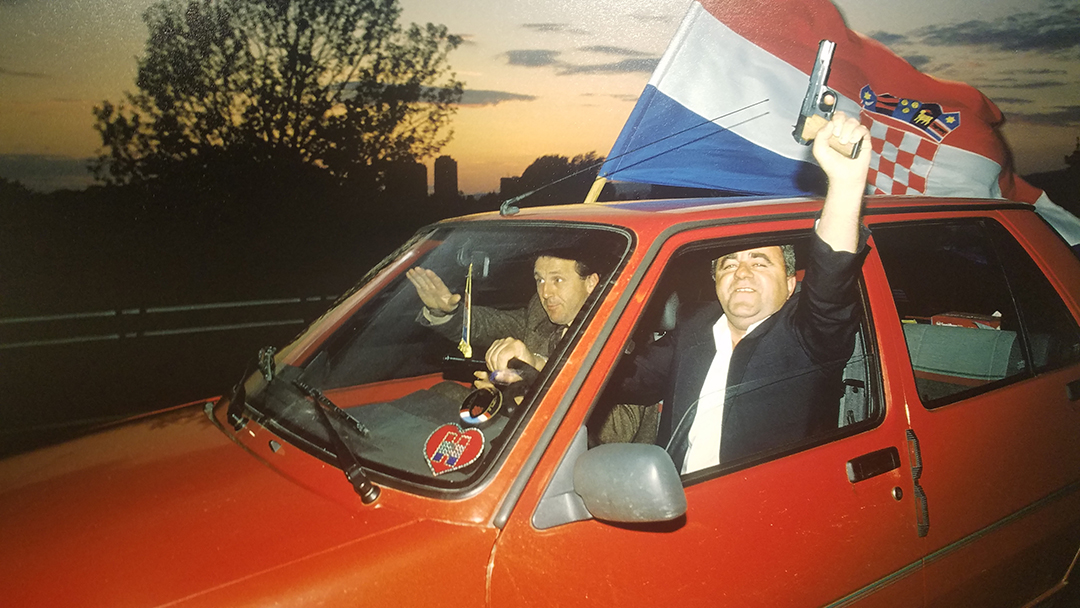
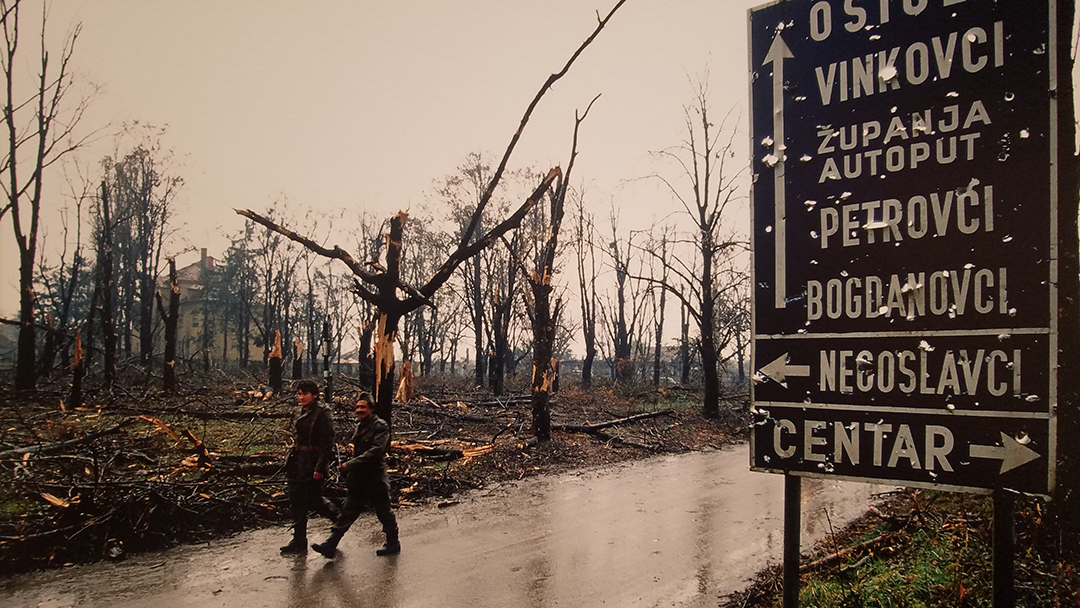
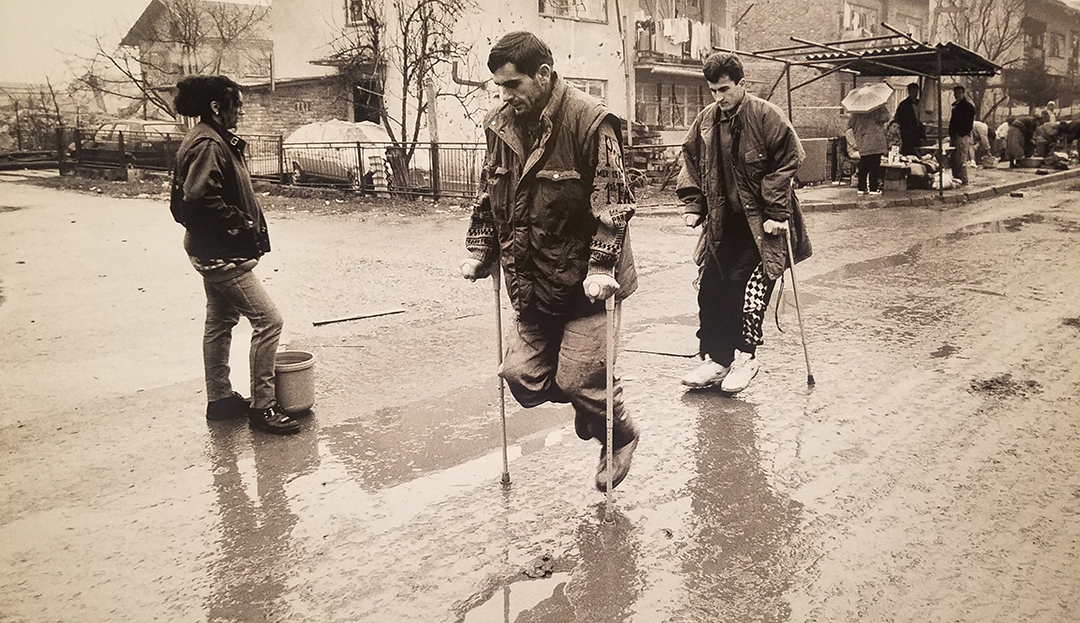
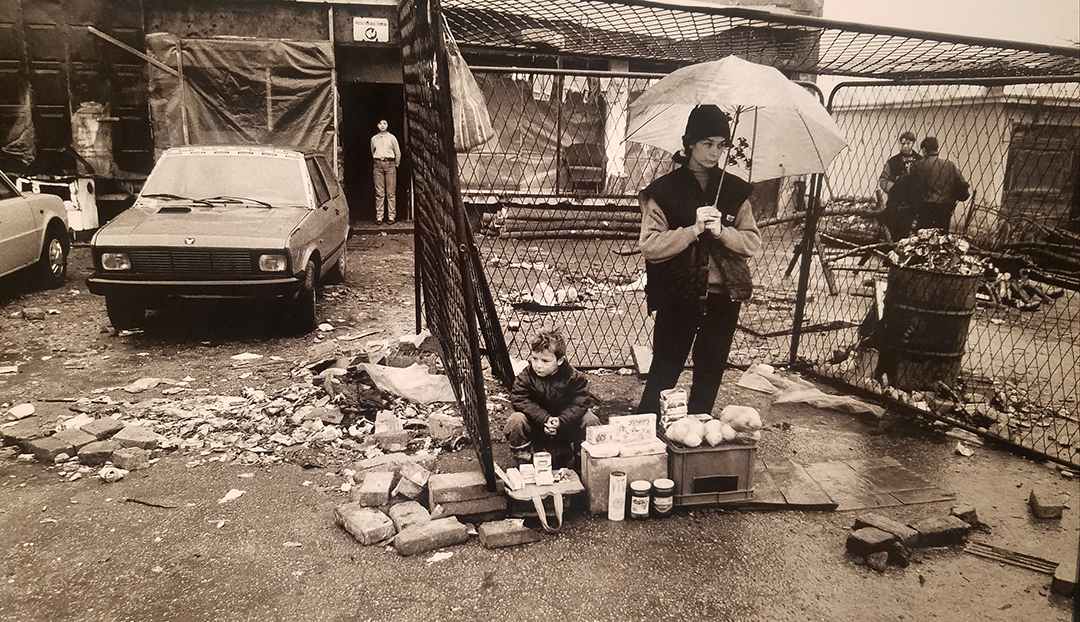
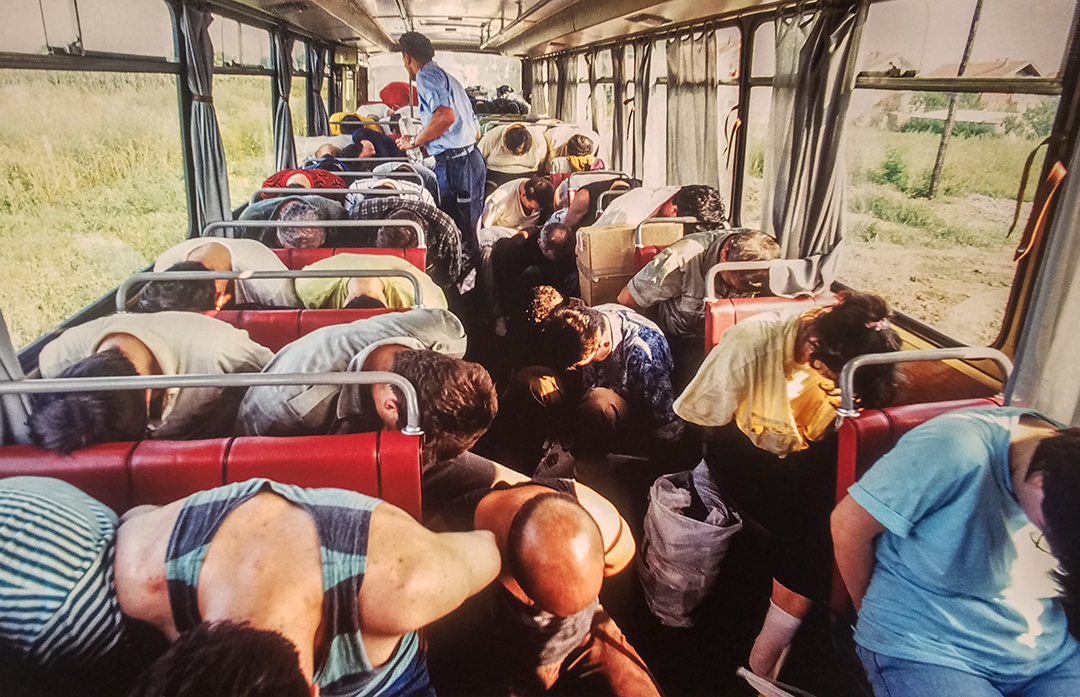
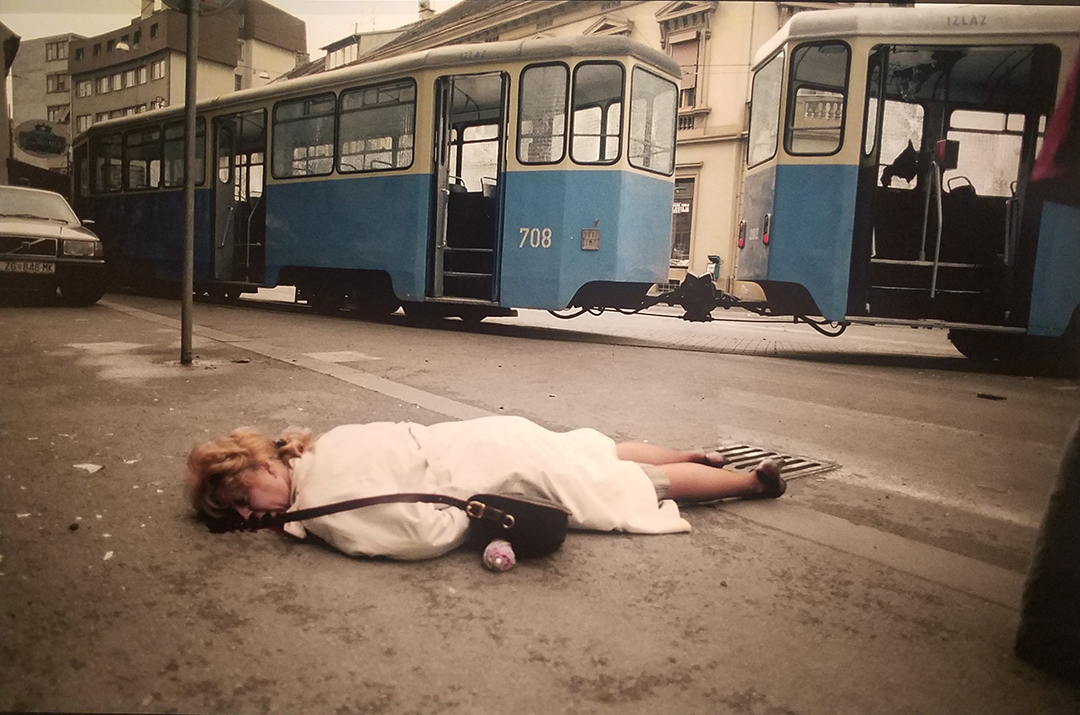
The Yugoslav civil wars were a series of political upheavals and conflicts during the years of 1991 to 2001. These wars were a series of separate but related ethnic conflicts, wars of independence, and insurgencies fought in the former Yugoslavia, which led to the breakup of the Yugoslav state.
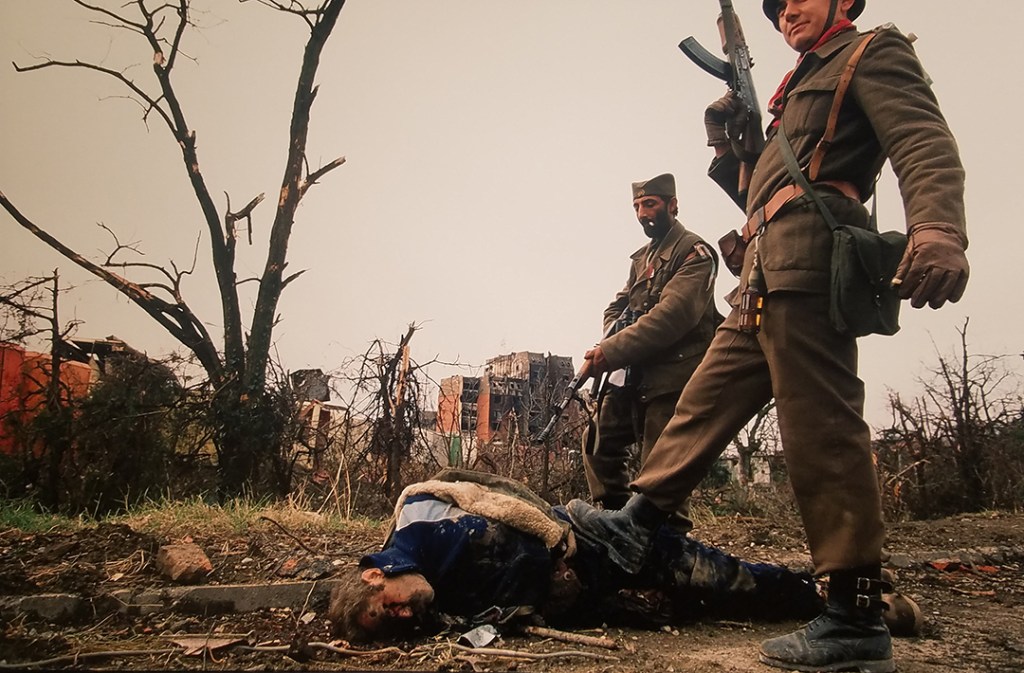
The reasons for the unraveling of Yugoslavia are complex and interwoven. In the early 1980s, an economic crisis had befallen the country.
Disputes over the distribution of financial means ensued, with the richer republics of Slovenia and Croatia on one side and the other republics on the other.

During the economic crisis, nationalist tendencies, which had been kept under control by Yugoslavia’s founder, Josip Broz Tito, resurfaced.
Tensions between the different republics eventually led to Slovenia and Croatia, and then Macedonia and Bosnia, declaring their independence from Yugoslavia.
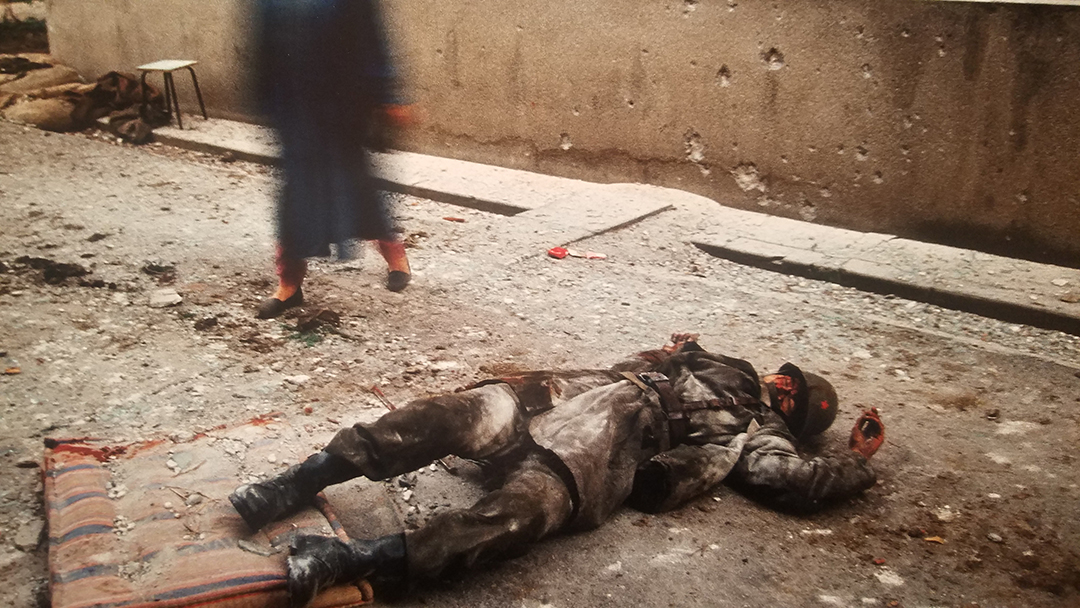
Often described as Europe’s deadliest conflicts since World War II, these wars were marked by many war crimes, including genocide, crimes against humanity and systemic rape.
The Bosnian genocide was the first European crime to be formally classified as genocidal in character since World War II, and many key individual participants in it were subsequently charged with war crimes.
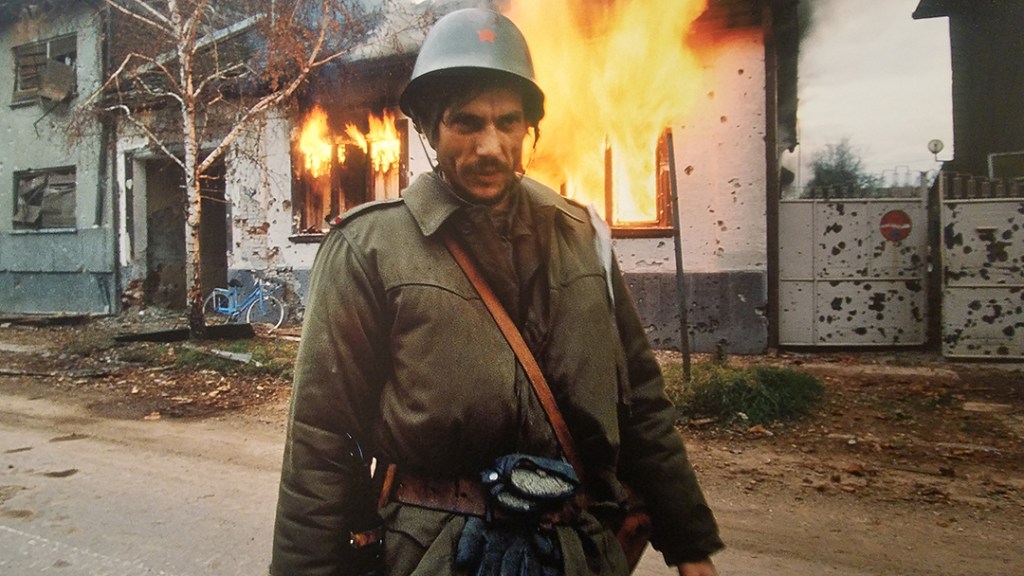
The ethnic cleansing and genocide was systematic and under official order. This was done by forced expulsion of civilians, killing and torture of the ‘unwanted’ ethnic groups, as well as the destruction of places of worship, cemeteries and cultural and historical buildings of that ethnic group in order to alter the population of an area in the favor of another ethnic group which wanted to become the majority.
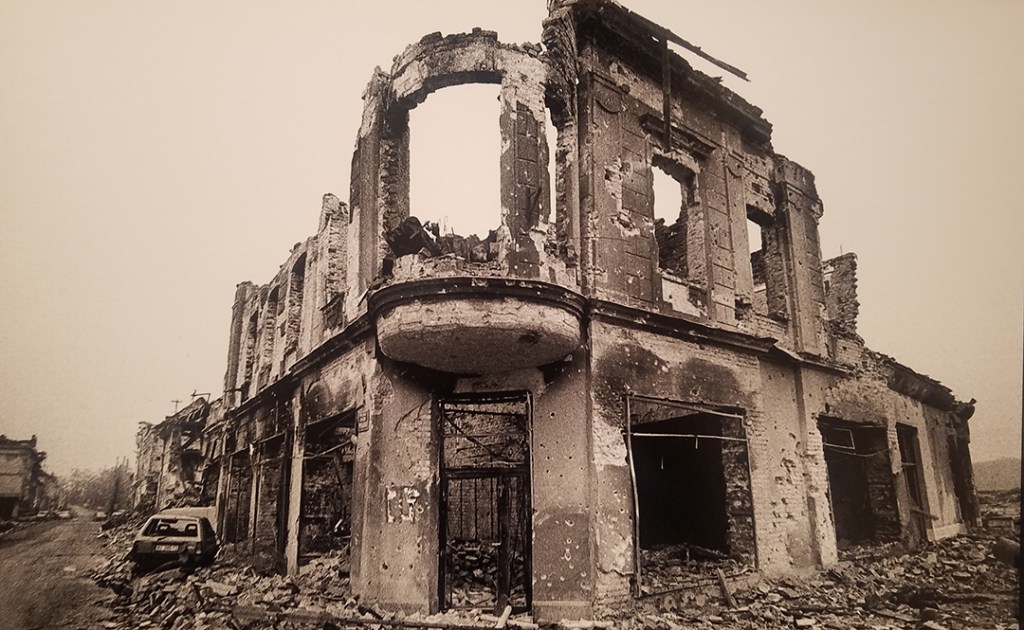
There were human rights abuses on all sides, but Serbian security forces and Serbian irregulars took the lead in horrific massacres, ethnic cleansing, torture, rapes and the use of concentration camps.

Rape as a weapon of war was perpetrated by Serb forces served to destroy cultural and social ties of the victims and their communities with the ultimate goal being ethnic cleansing.
There existed rape camps where women were imprisoned and repeatedly gang raped until pregnant and then released just before giving birth with no reproductive care and physical and mental trauma.
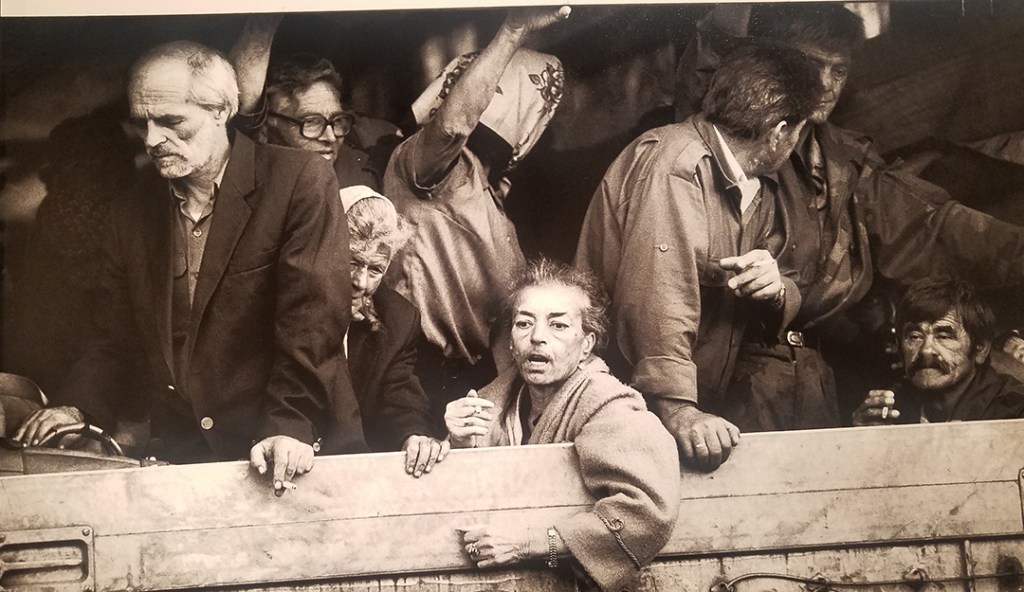
Some estimates put the total number killed in the Yugoslav Wars 140,000.
The War in Croatia left an estimated 20,000 people dead.
Bosnia and Herzegovina suffered the heaviest burden of the fighting where between 97,207 and 102,622 people were killed in the war.
In the Kosovo conflict, around 13,500 were killed and 750,000 Kosovo Albanians were forced to leave.
The highest death toll was in Sarajevo with around 14,000 killed.
During the siege, the city lost almost as many people as the entire war in Kosovo.
In numbers, Bosniaks (Bosnian Muslims) suffered the heaviest losses as 64,036 of their people were killed. The share of Bosniaks among all the civilian fatalities during the Bosnian War was around 83%, rising to almost 95% in Eastern Bosnia.
It is estimated that the wars in Croatia, Bosnia and Herzegovina and Kosovo produced about 2.4 million refugees and an additional 2 million internally displaced persons.
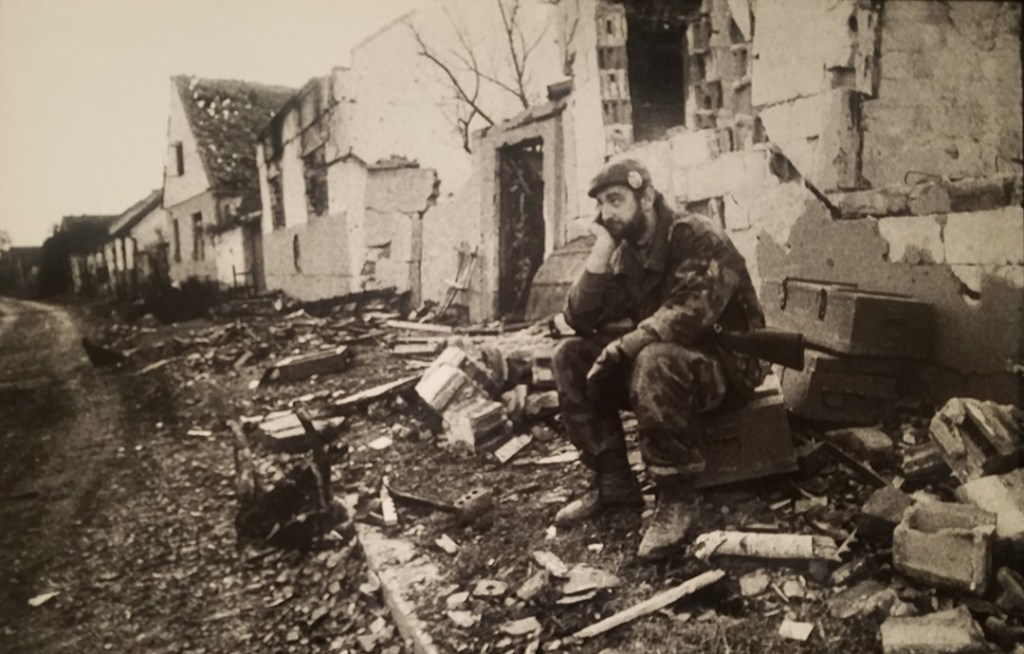
Here is an article on the uncomfortable truths of the war crimes in the Balkans committed during the Yugoslav wars and how this past is being buried rather than studied and learned from.
“The discovery of truth and understanding is a long process, but people in the Balkans need to talk and listen to each other. This, unfortunately, doesn’t happen very often,”
Hannes Grandits



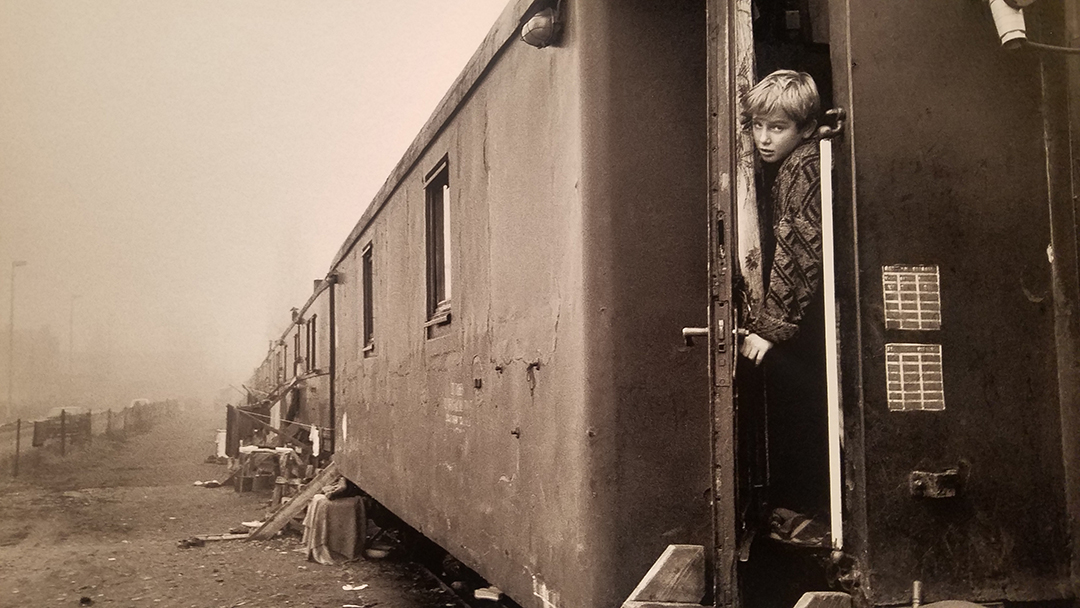

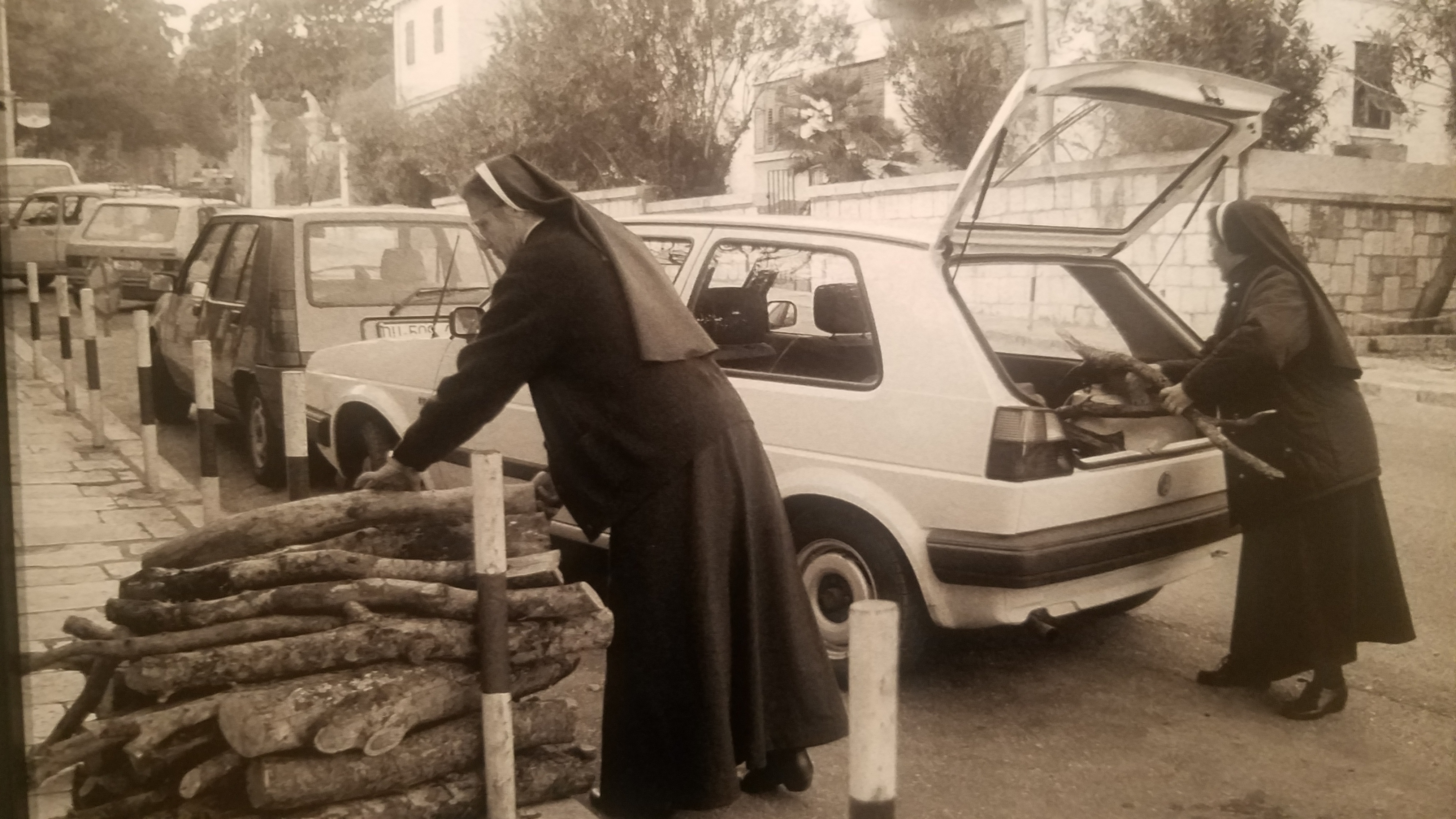
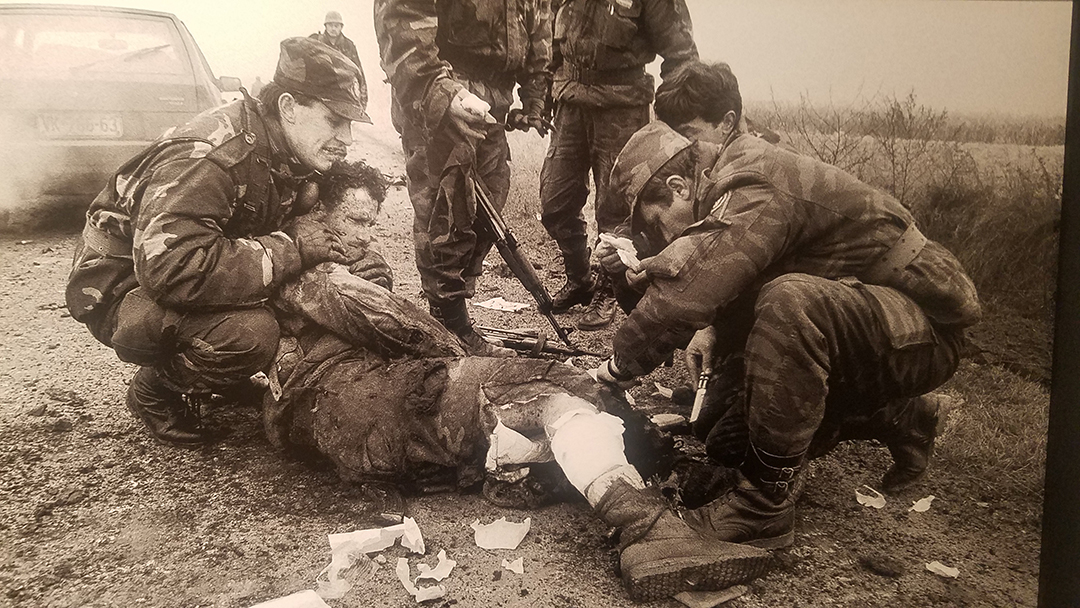

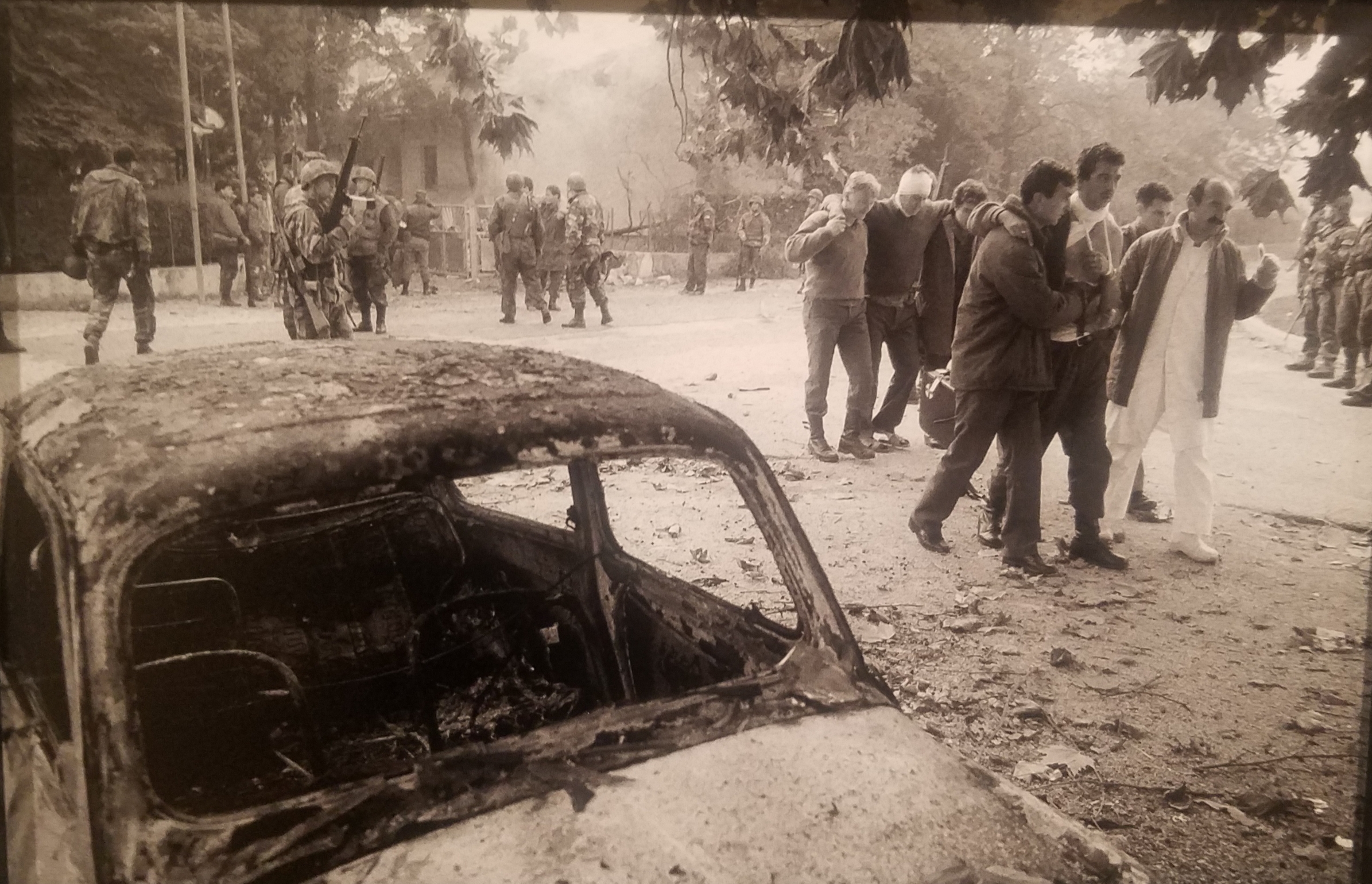
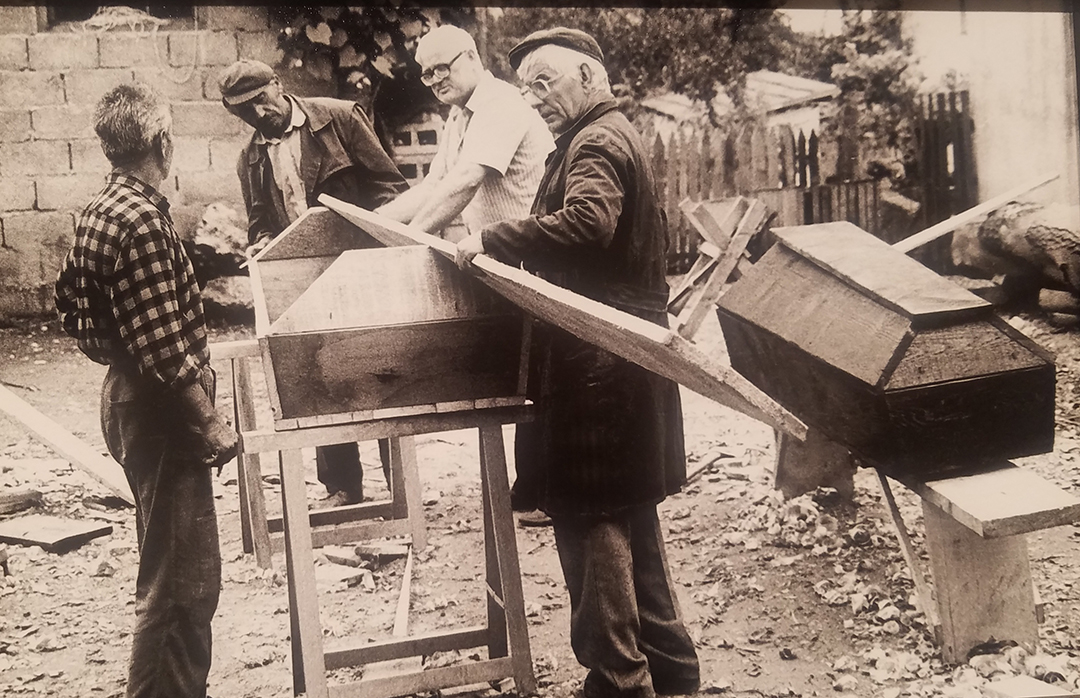
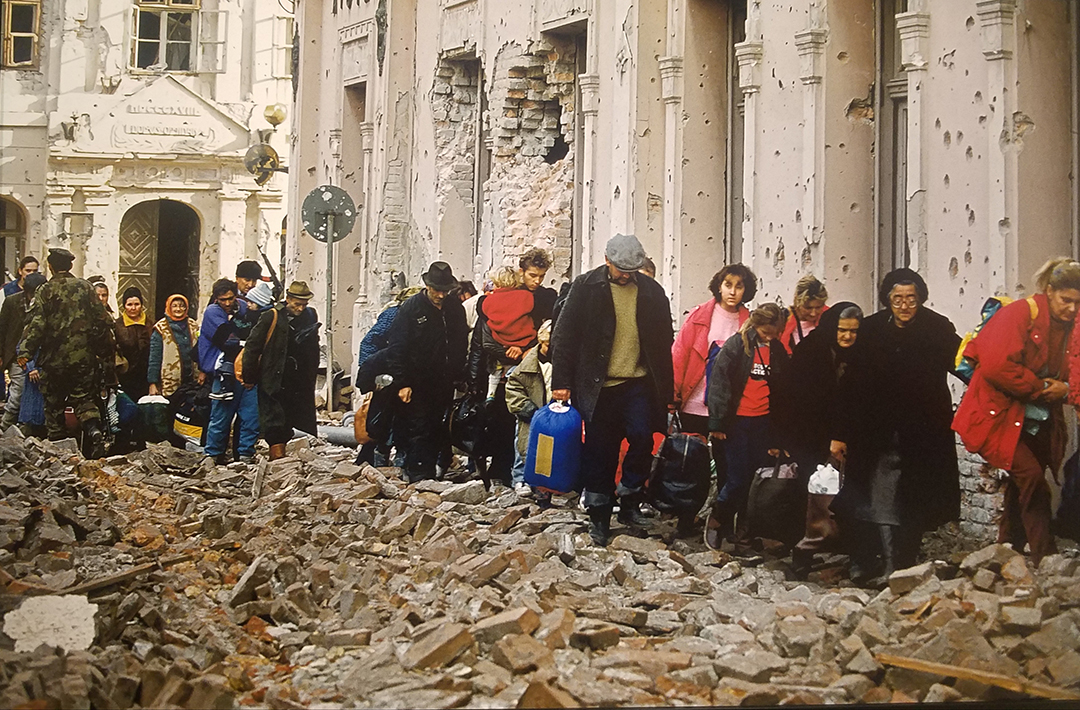

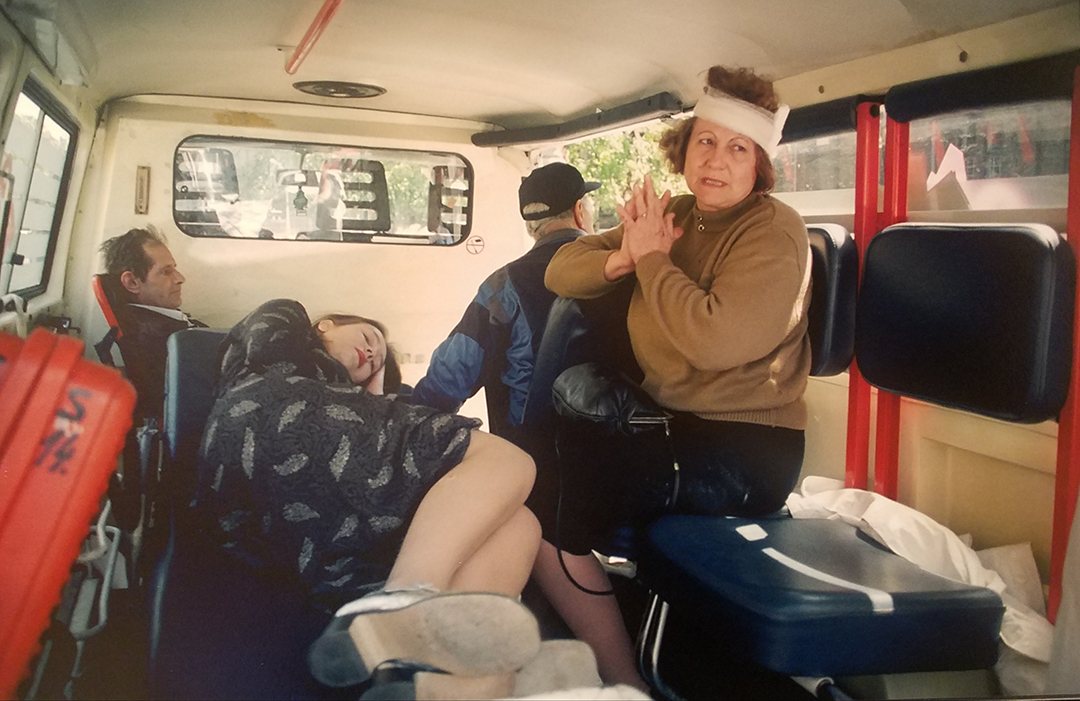


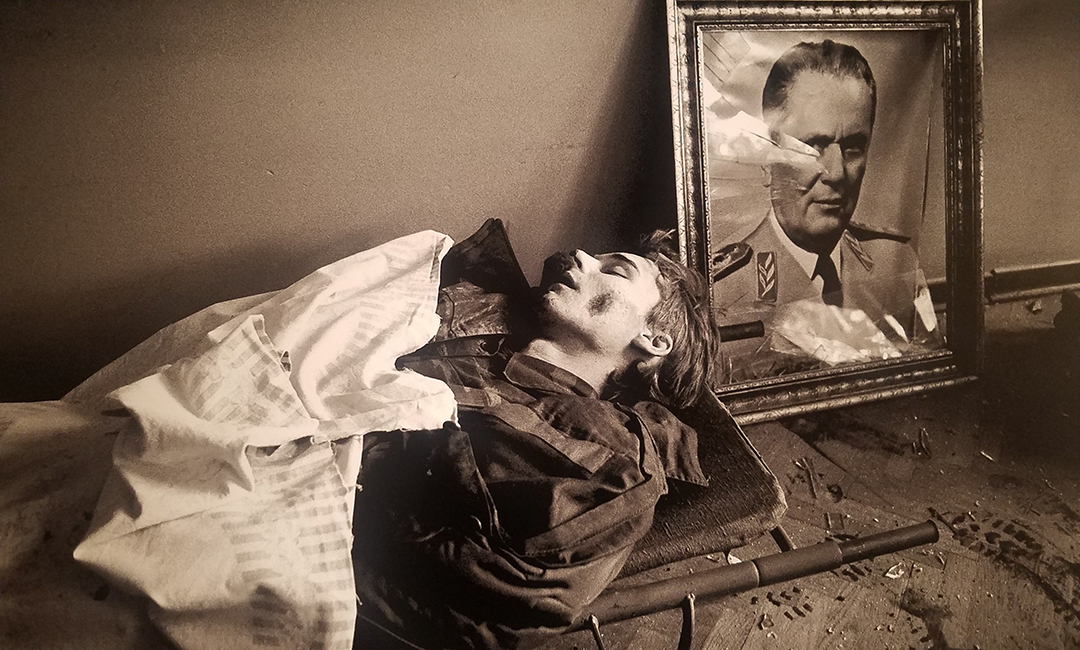



Photos by :
Christopher Morris
Dragoljub Zamurović
David Turnley
Peter Turnley
Miloš Cvetković
Ron Haviv
Dragoljub Zamurovic
Mišo Lišanin
Srdan Sulejmanović
Božio Vukičević
Wade Goddard
Matko Biljak
Zlatko Kalle
Željko Sinobad
Imre Szabo
Davor Višnjić
Romeo Ibrišević
Olaf Wyludda
Toni Hnojčik
 emily & entropy