
A look into the hidden military history that remains untouched on one of the most beautiful islands in Croatia.
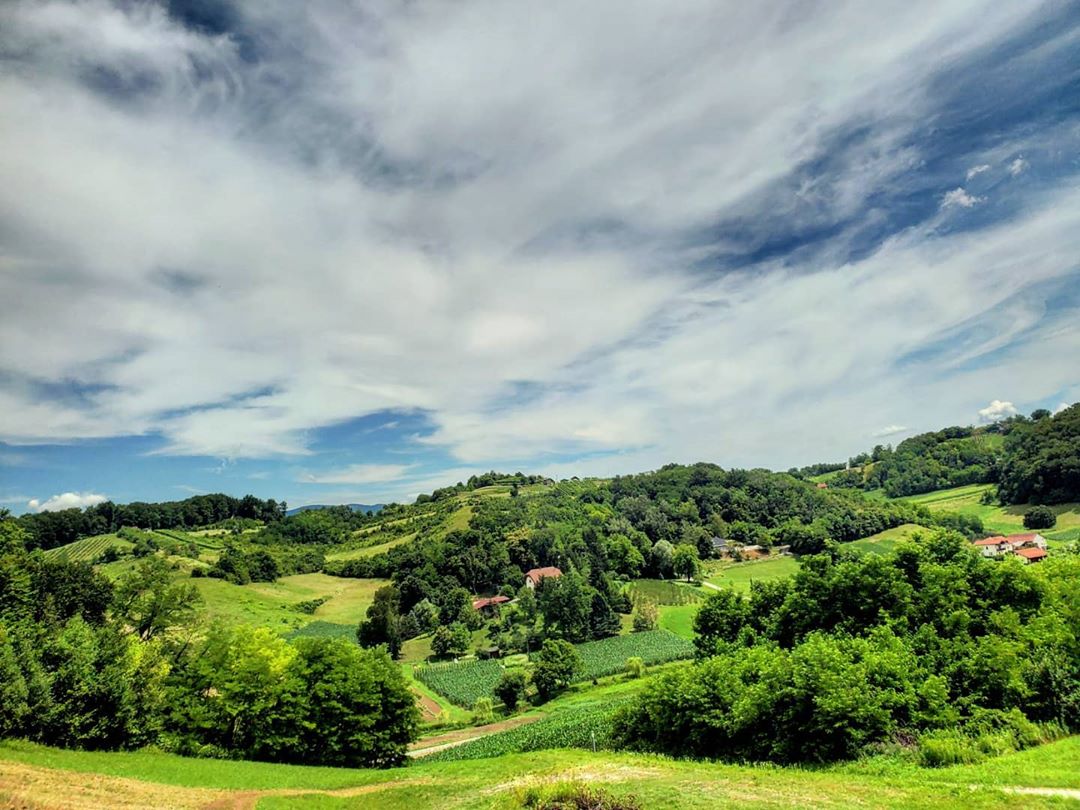
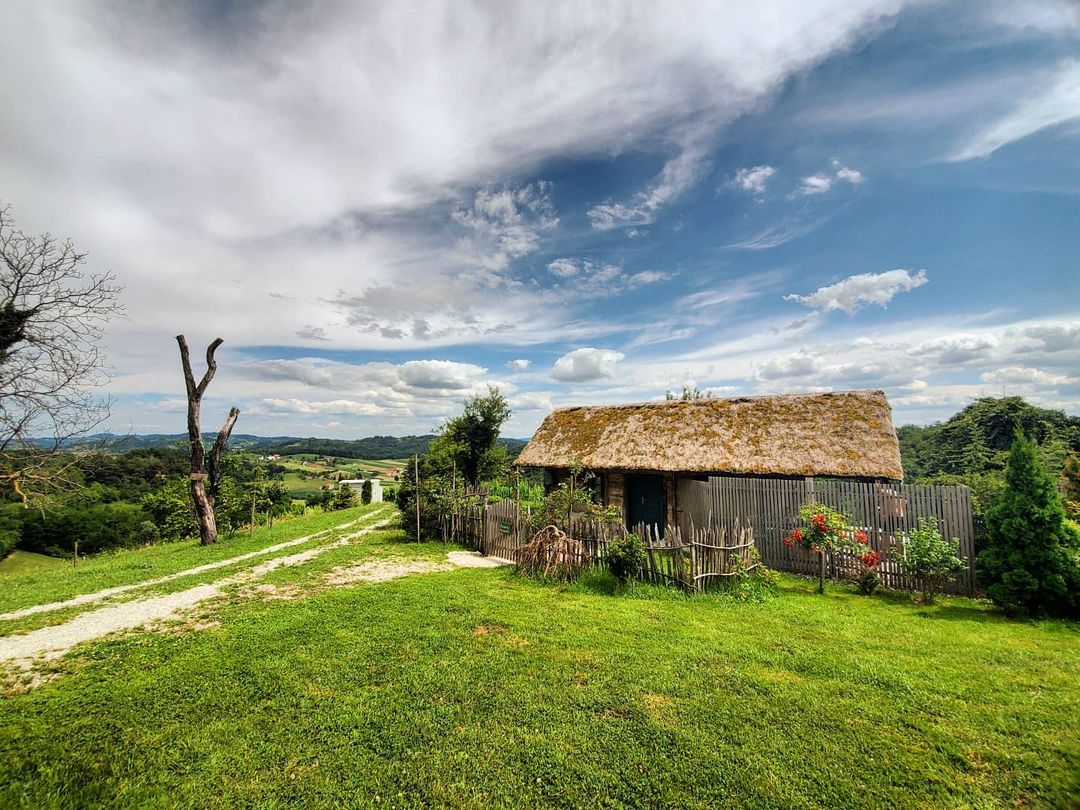
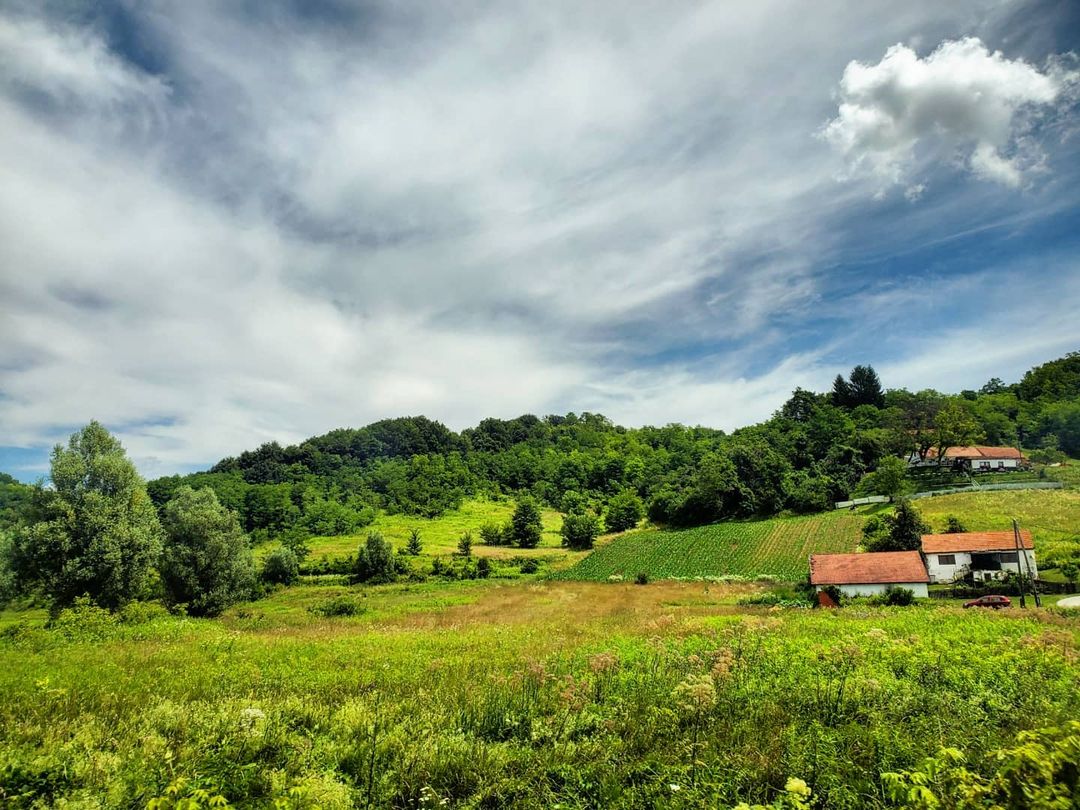
When travelling around Croatia; a land of beautiful countrysides and quaint villages, infinite miles of lush farmlands, olive groves and vineyards, and ancient coastal cities that face the amazing clear, turquoise waters of the Adriatic Sea, it can be easy to miss the very turbulent history of the Balkans that lies just beneath the surface.
There is no better example of this paradox than the island of Vis, where you can find the the oldest inhabited town in all of Croatia and a perfect example of where natural beauty lies just above a history of military conflicts that date back to the 1st century BC and lasted into the 1990s.
To reach the island of Vis you will need to take a ferry from mainland Croatia in Split.
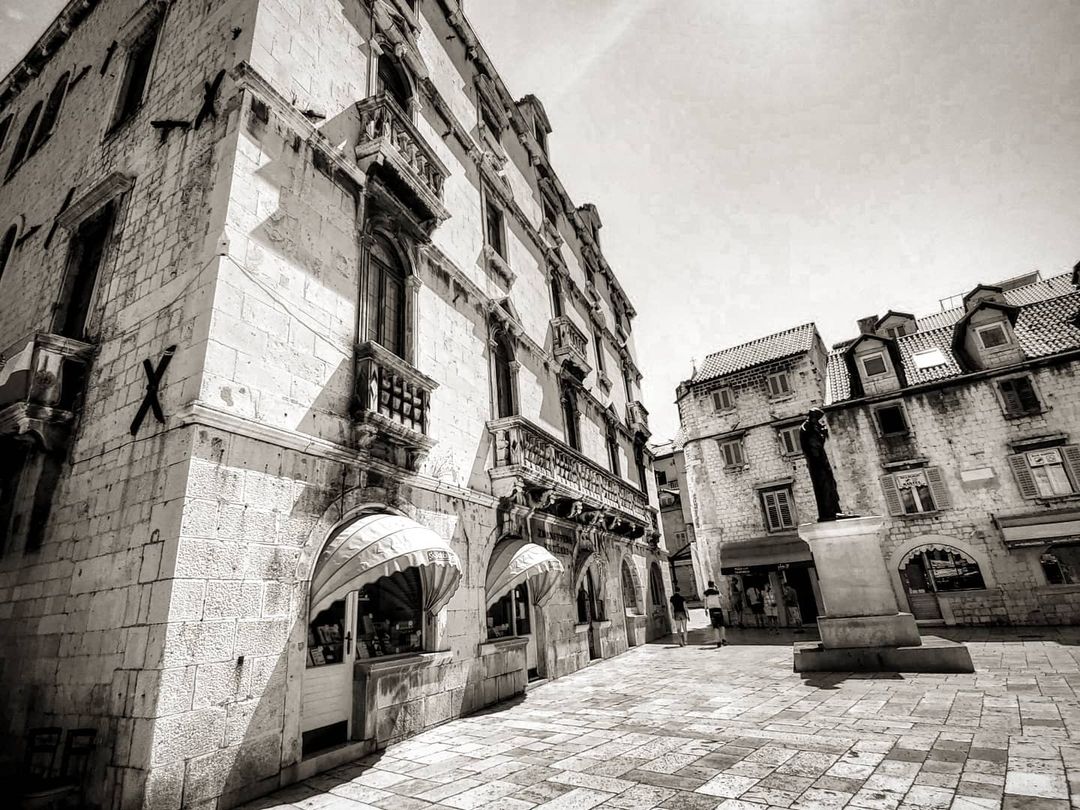
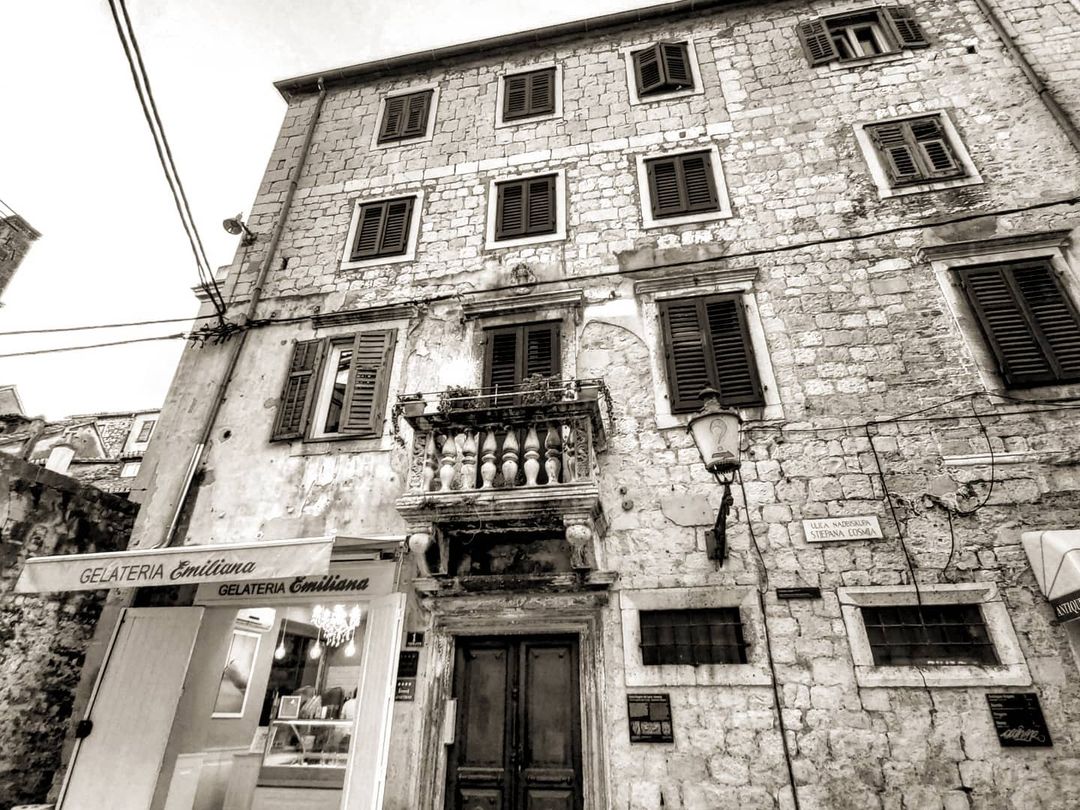
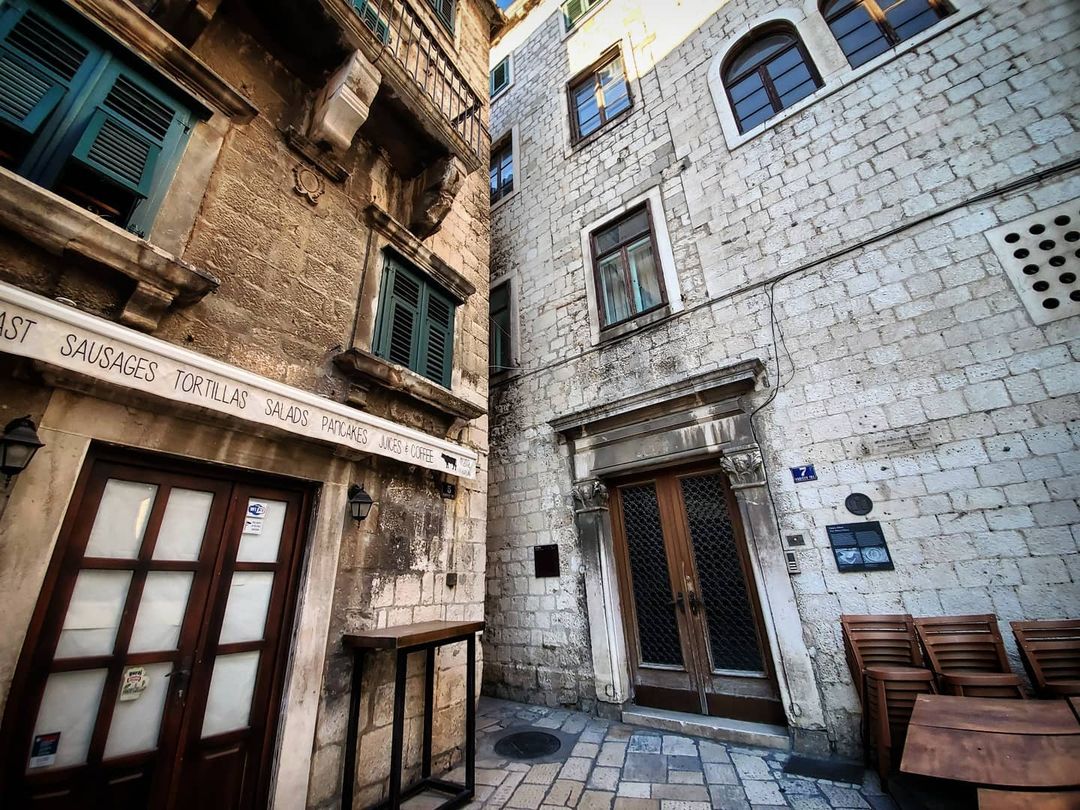
Split is an amazing destination on it’s own…an ancient stone city that intersects with a budding contemporary nightlife and restaurant scene. Split is the second largest city, after Zagreb, and attracts a younger crowd.
Here you can explore Diocletian’s Palace, an amazing, sprawling fortress of white marble and limestone that forms half of the Old Town of Split. Designed to house the Emperor Diocletian (and the shackled serfs that served him in the 4th century AD). The Palace is in stunning condition and is spectacularly well-preserved for a Roman ruin.
For more on Roman ruins in Croatia, check out my visit to the city of Pula, where you can find some of the most well-preserved ruins in Europe.
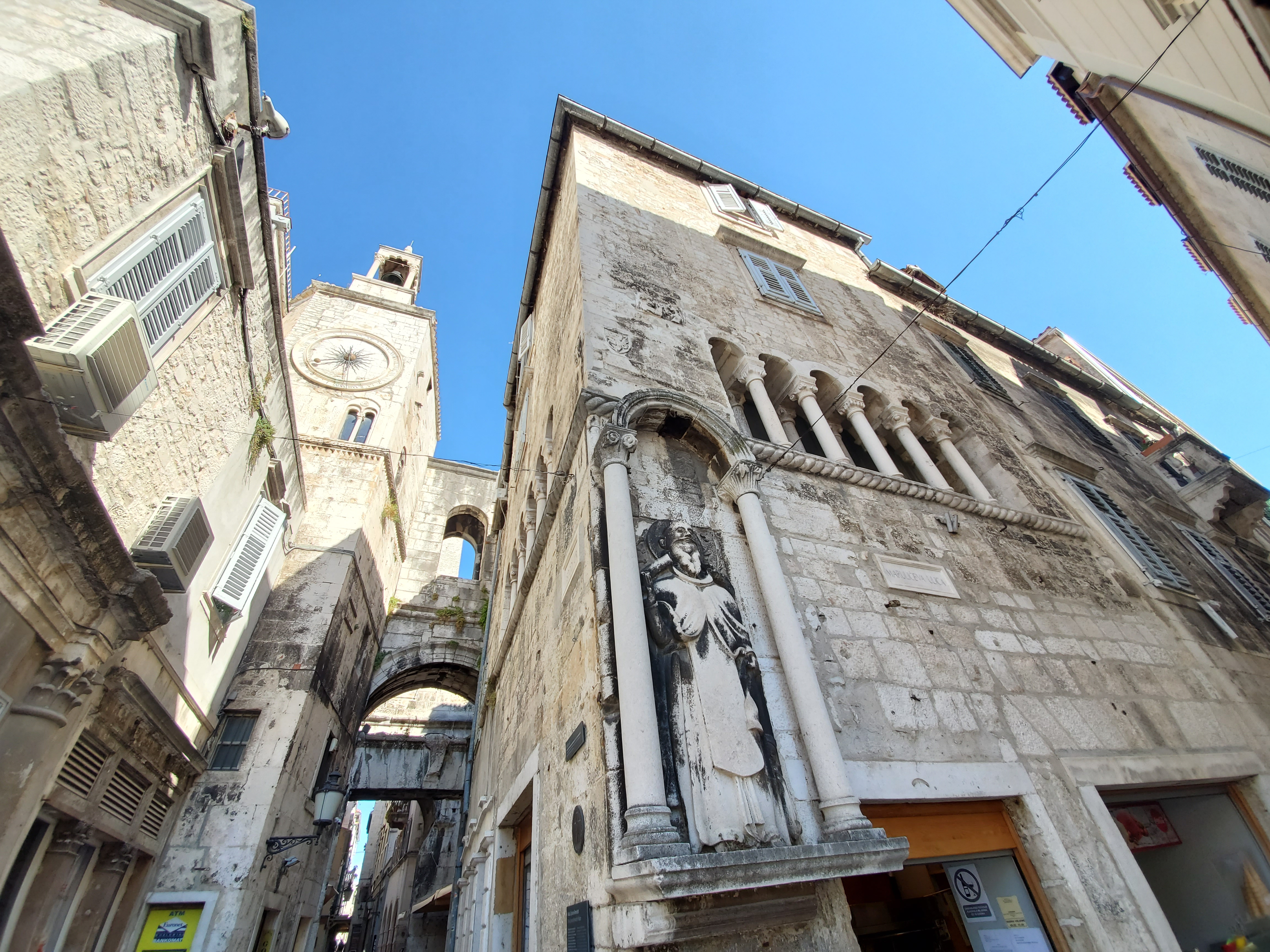
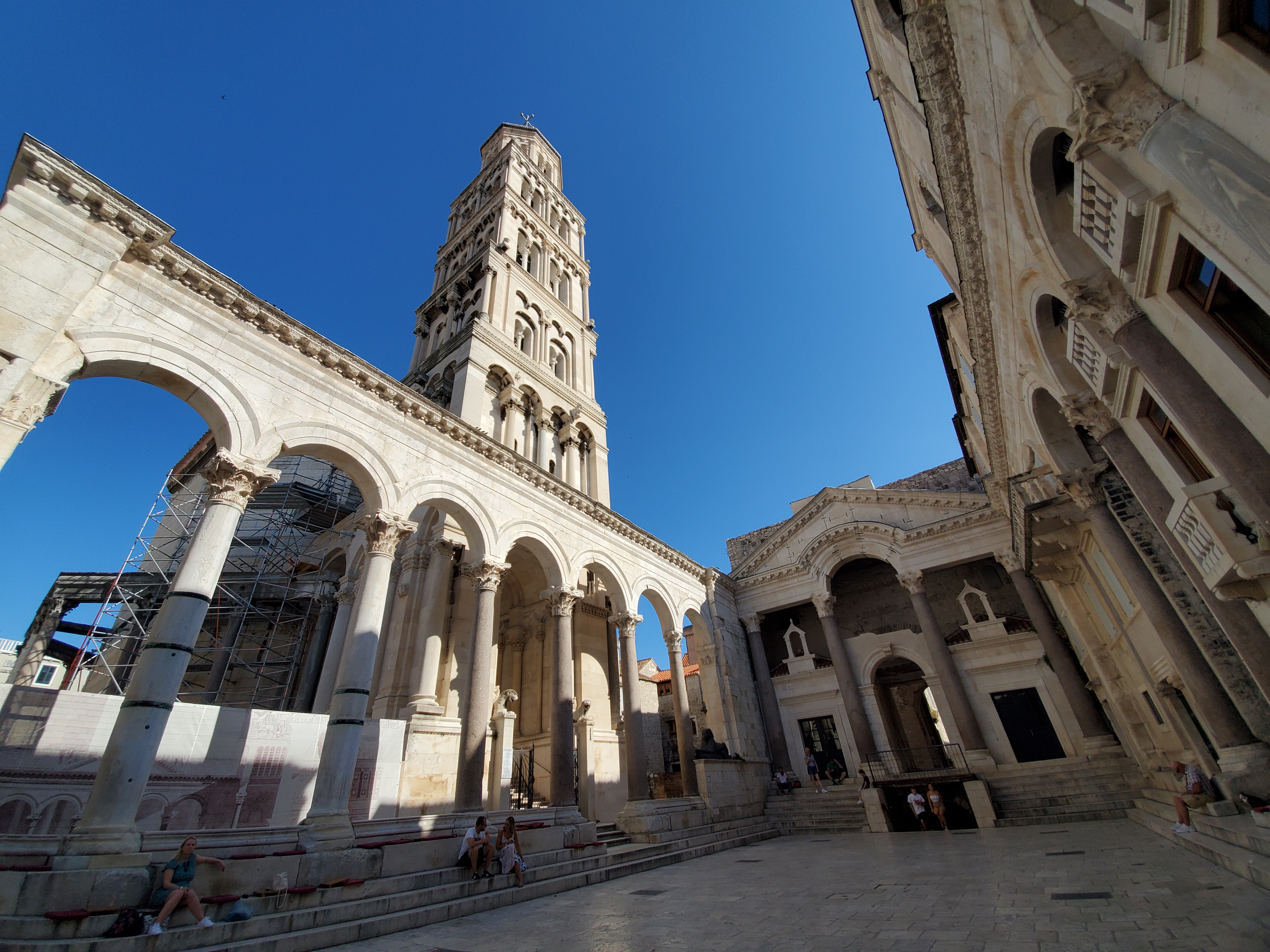
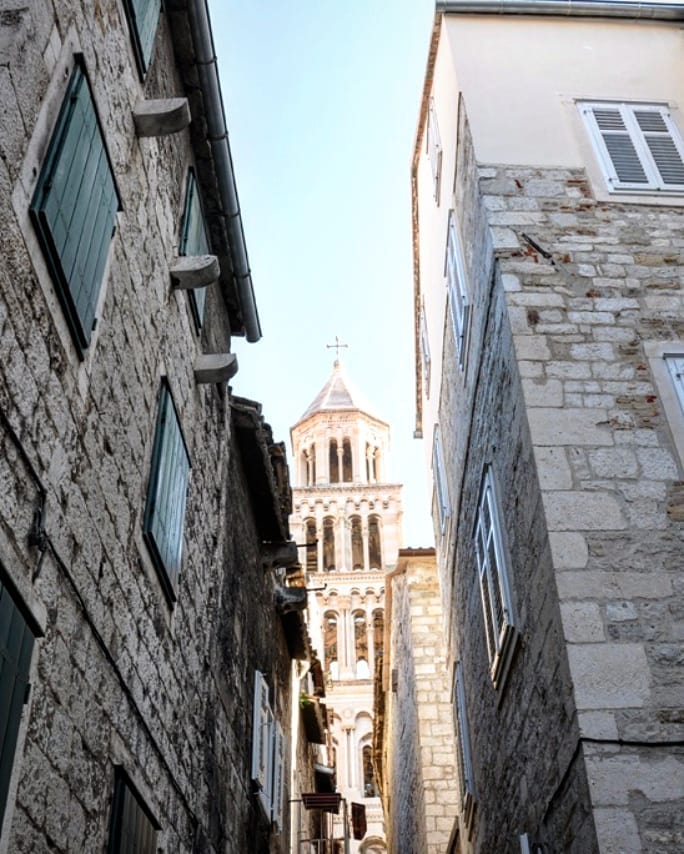
See the gallery below for some of my photos of the coastal city of Split over the years.


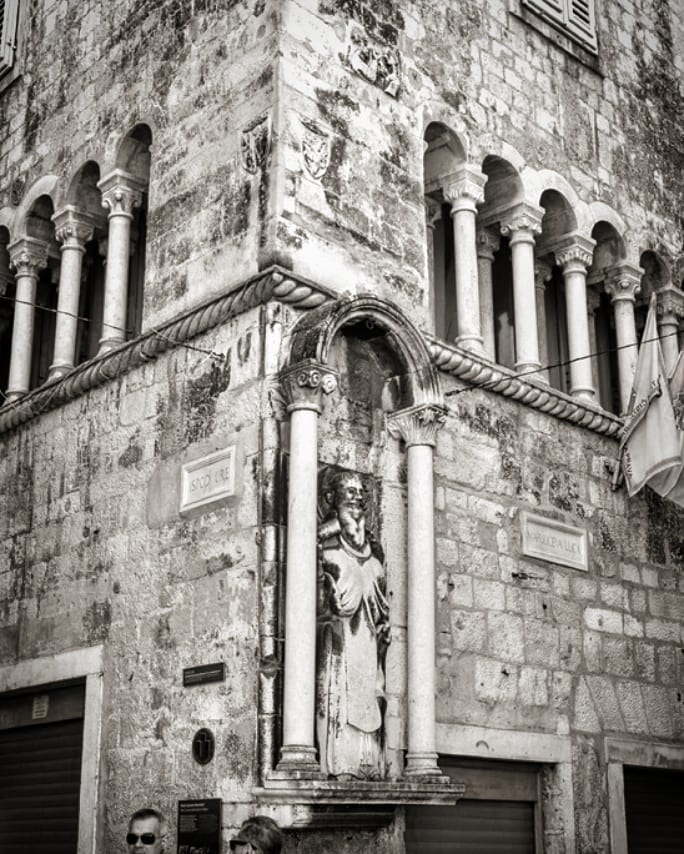










Vis Island, Croatia
Far from the ails of tourism, the island of Vis is one of the most unique and beautiful spots on the planet and is still largely untouched.
We stayed in a tiny empty village called Okljucna, located hillside on the west coast of the island. The limestone houses were about 500 years old and mostly all empty. A short hike away was a beautiful small cove, hidden, marked only by an old rusty sign. As we hiked down the path to the beach, it was clear by the canopy of spider webs overhead that no one had been down this path in a very long time.
This is a great place for a remote, genuine experience in Croatia.
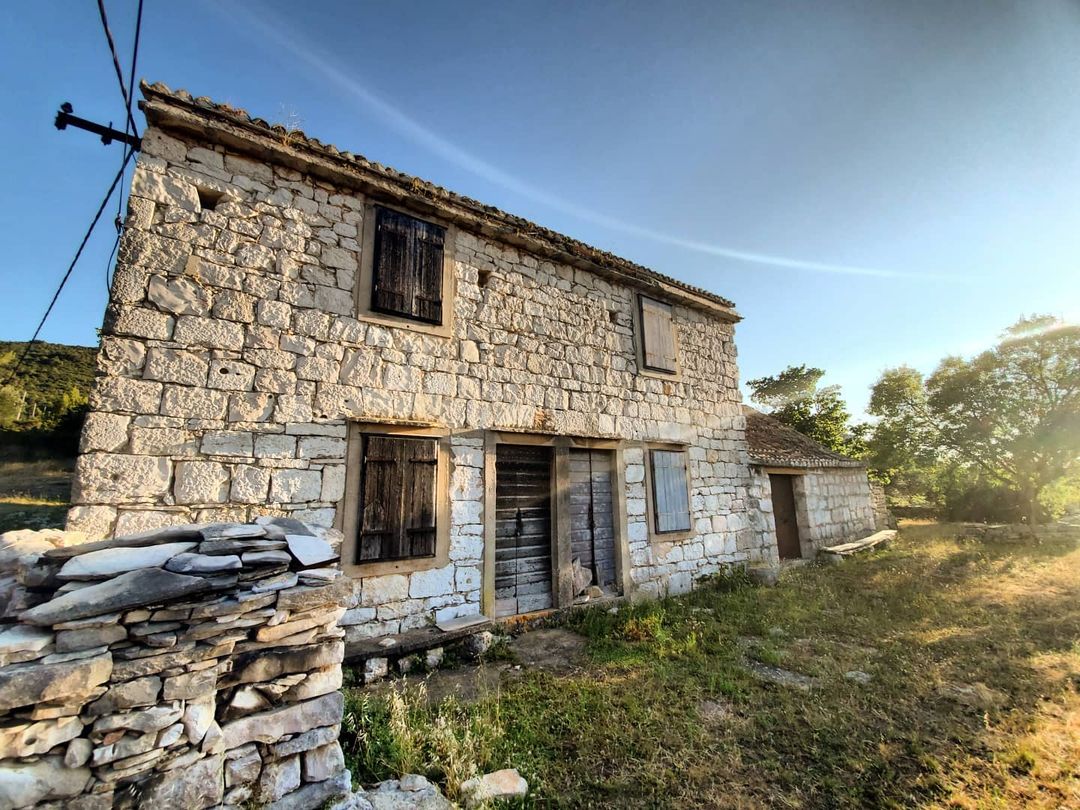
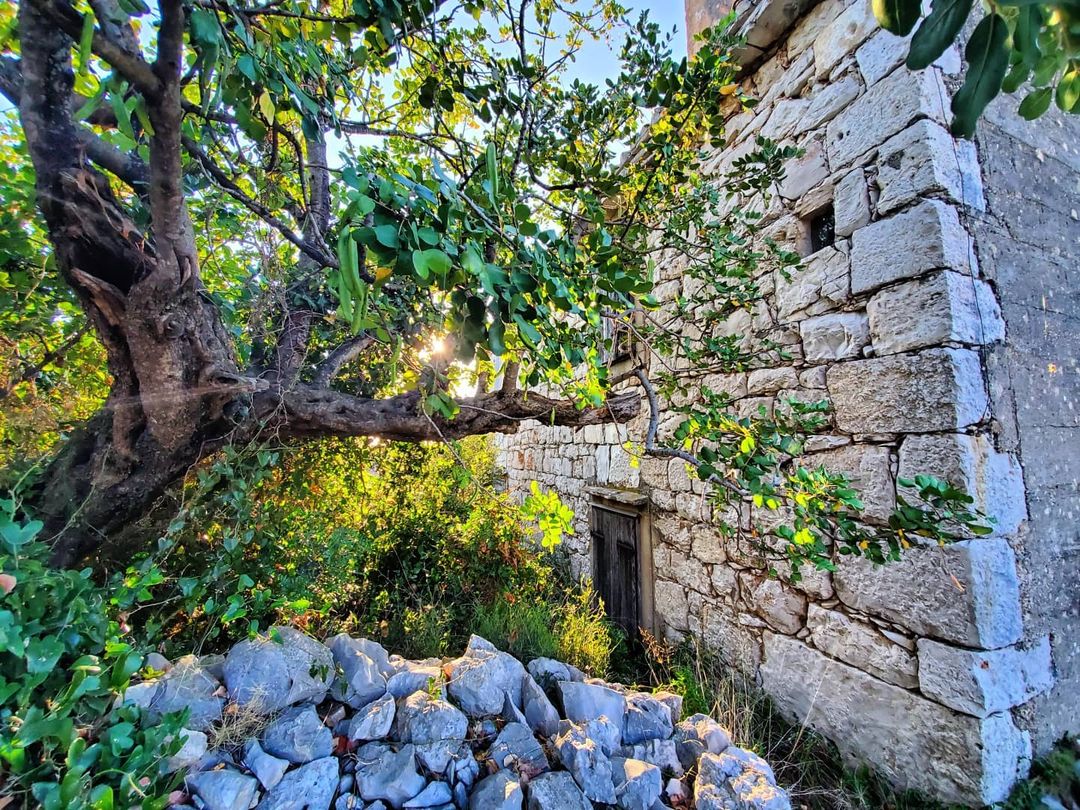


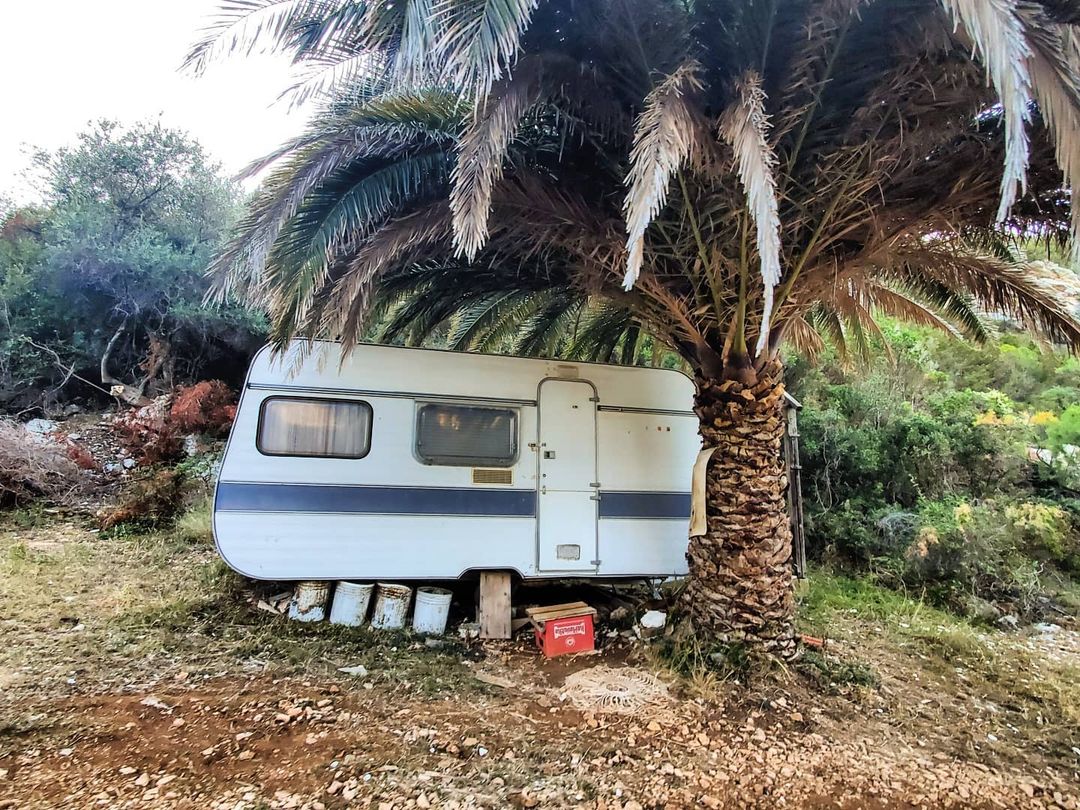
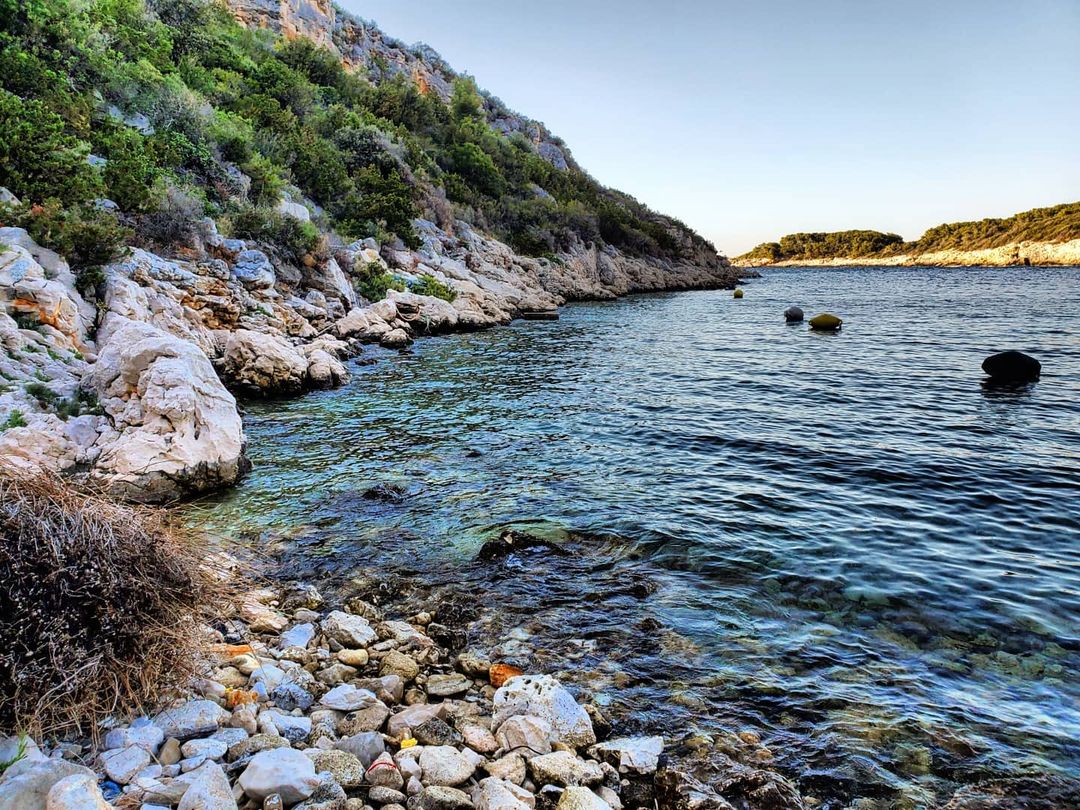

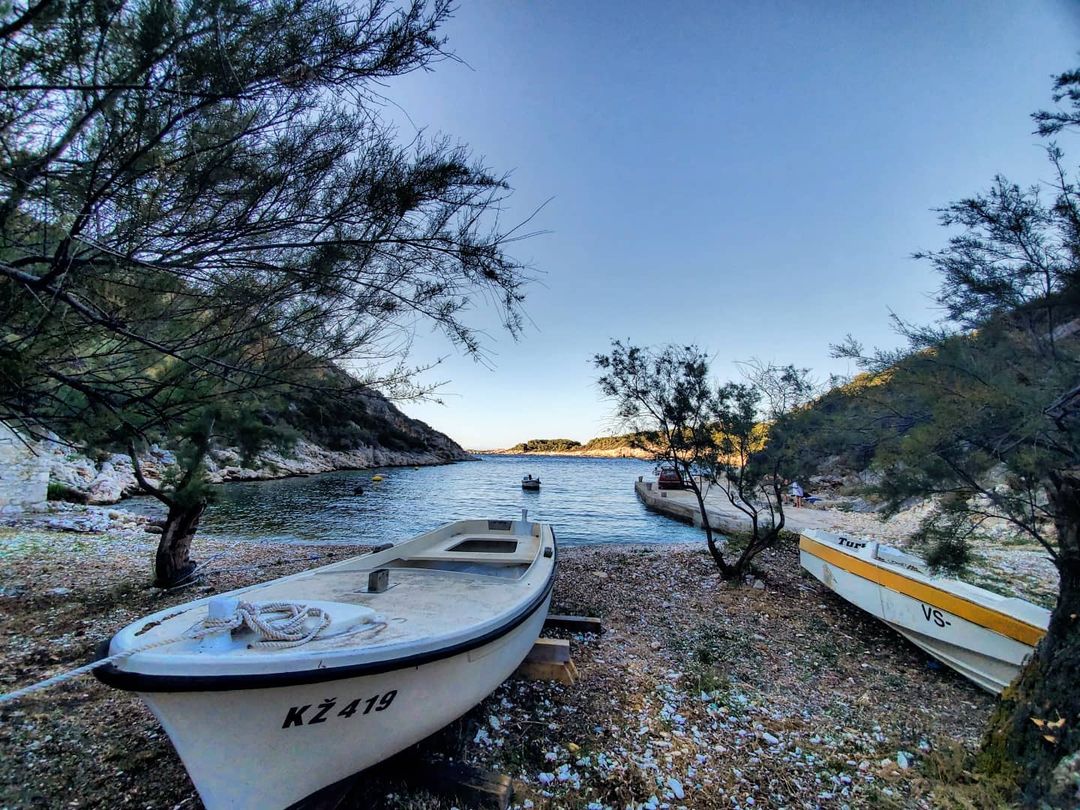

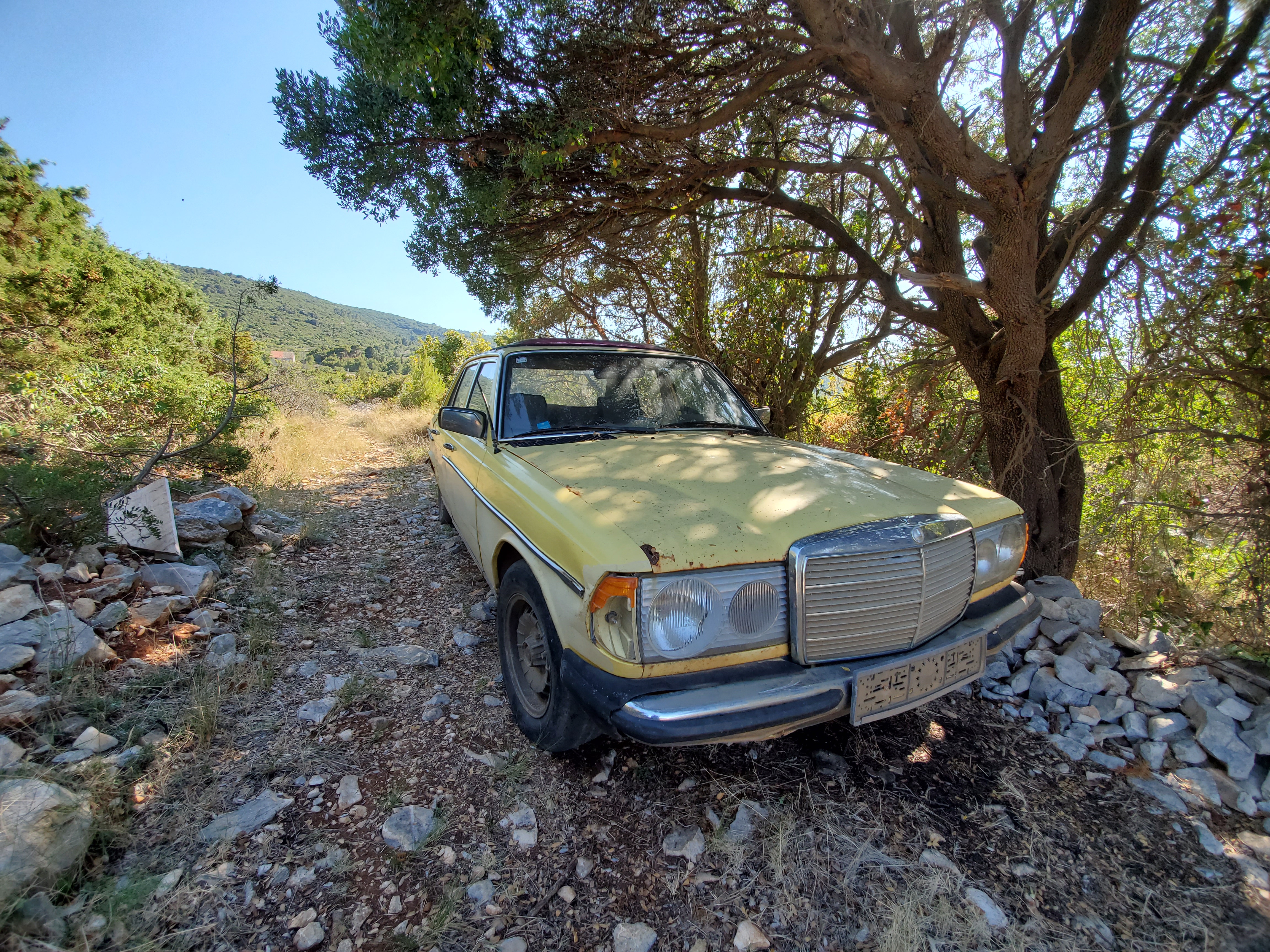
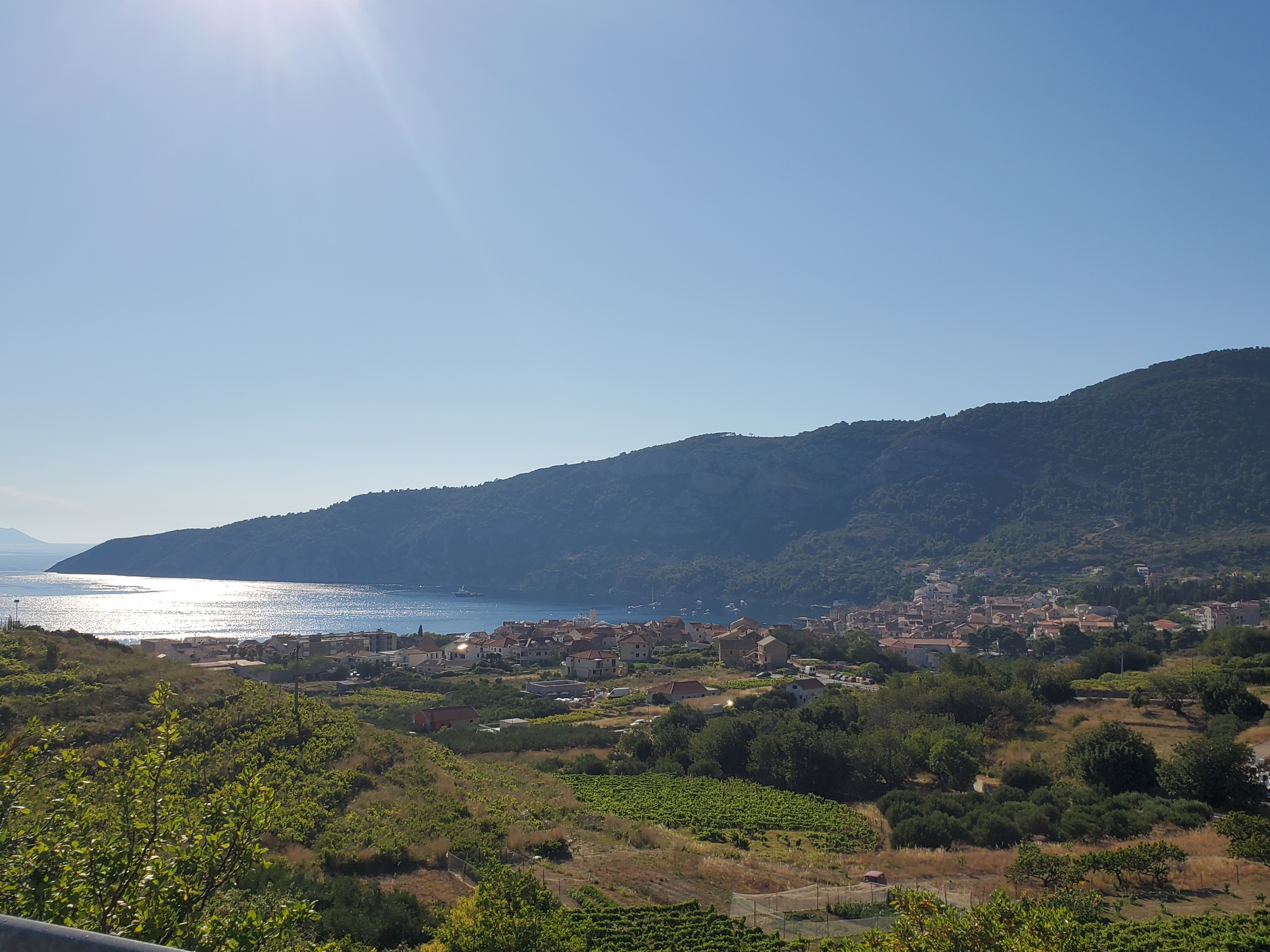


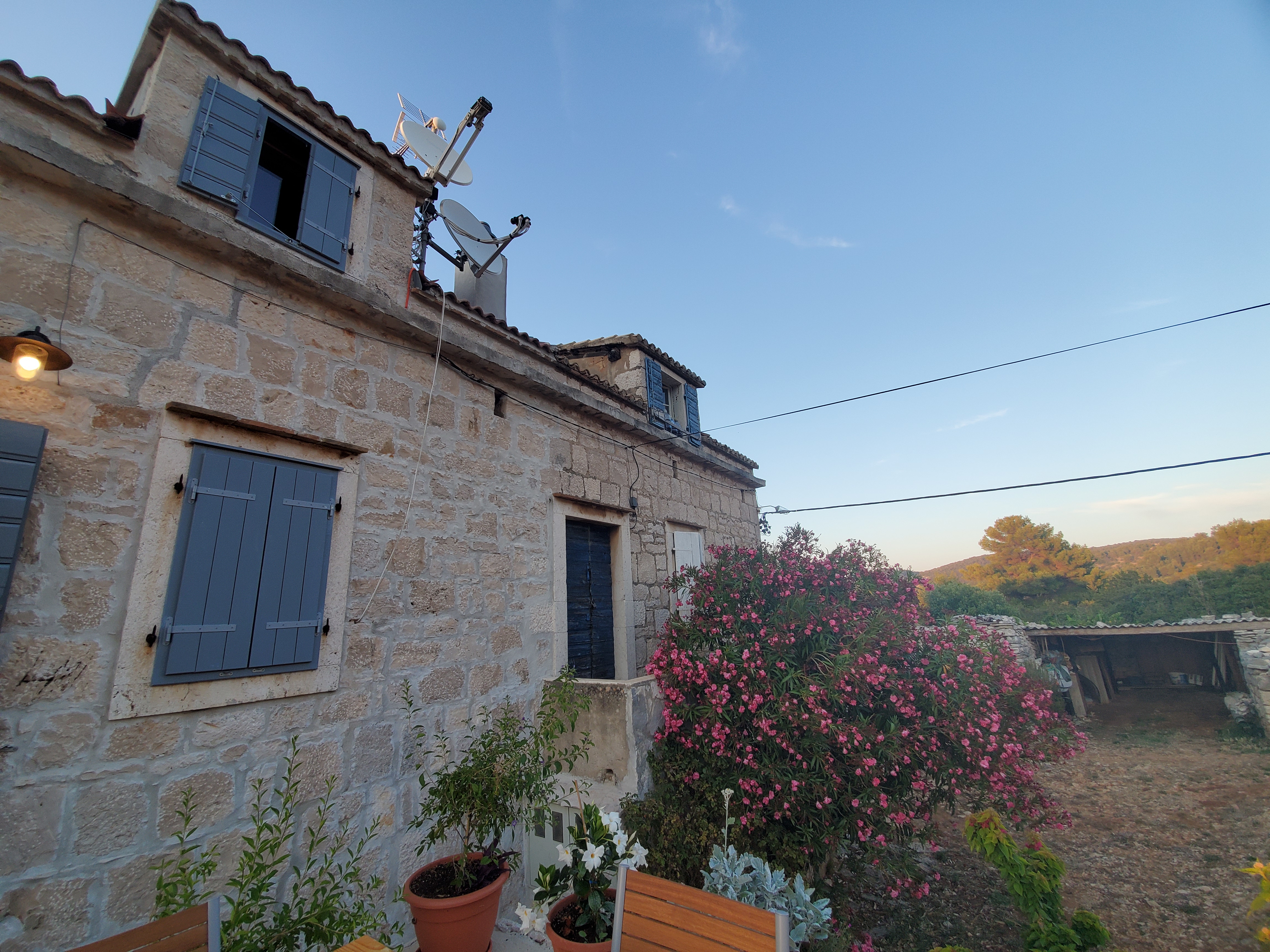
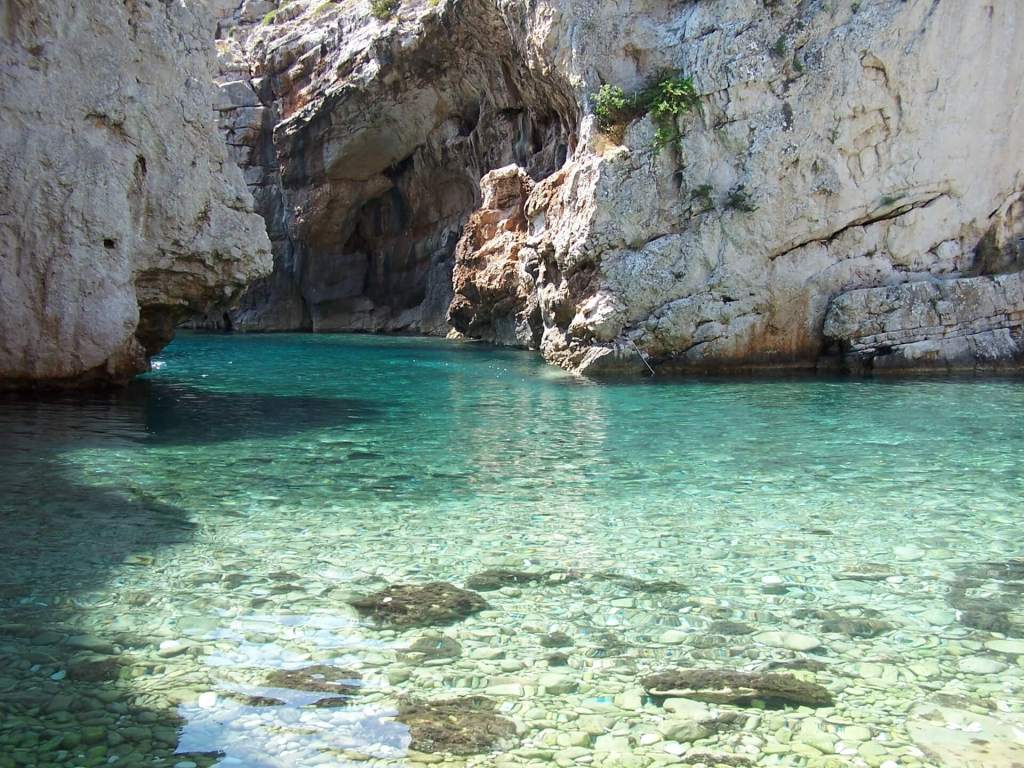
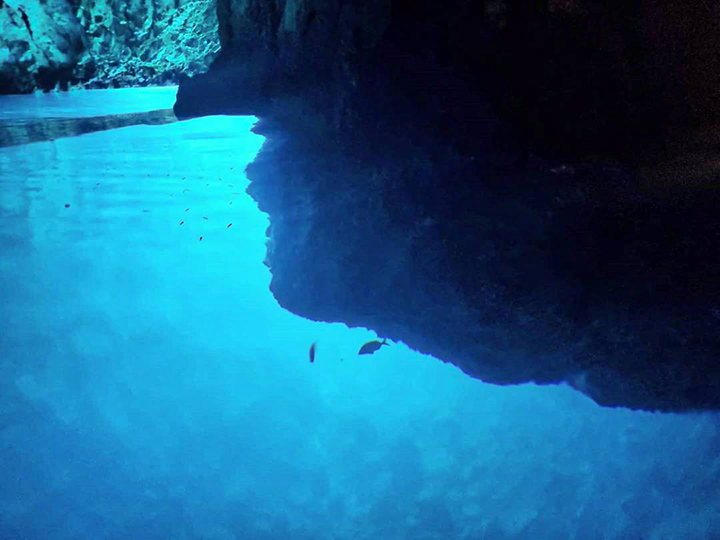
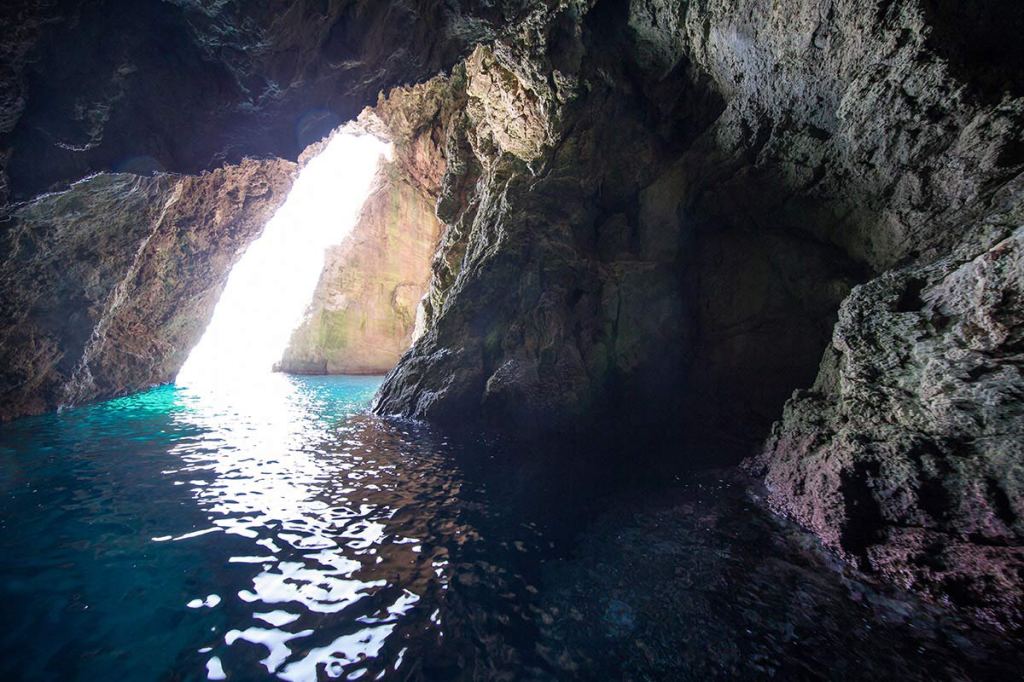
We spent the week in Vis swimming in the crystal clear turquoise waters, exploring natural caves that illuminate a brilliant blue, finding hidden beaches along the beautiful rocky coast, and eating amazing food and drinking local wine at vineyards nearby.
The grape variety of Vugava, native to the island of Vis, cultivated as early as the 4th century BC, is only one of the amazing wines you’ll find in Croatia and a MUST try, especially in Vis.
Graševina, Malvazija and Žlahtina are my favorite Croatian white wines.
Located on the island of Biševo, just off the coast of Vis, is one of the most amazing and stunning natural wonders in Europe, the Blue Cave. It’s not to be missed when you’re in Vis.




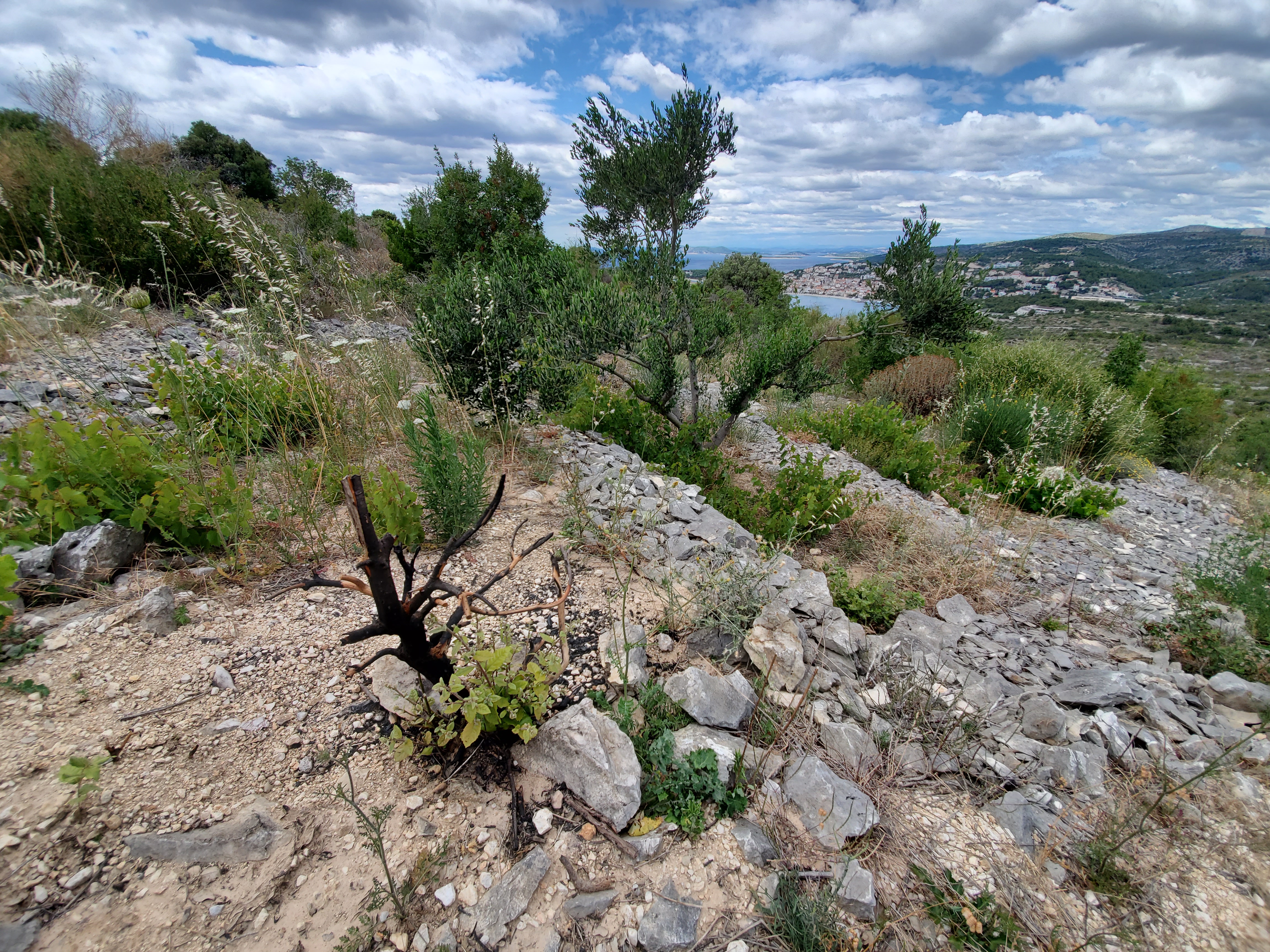
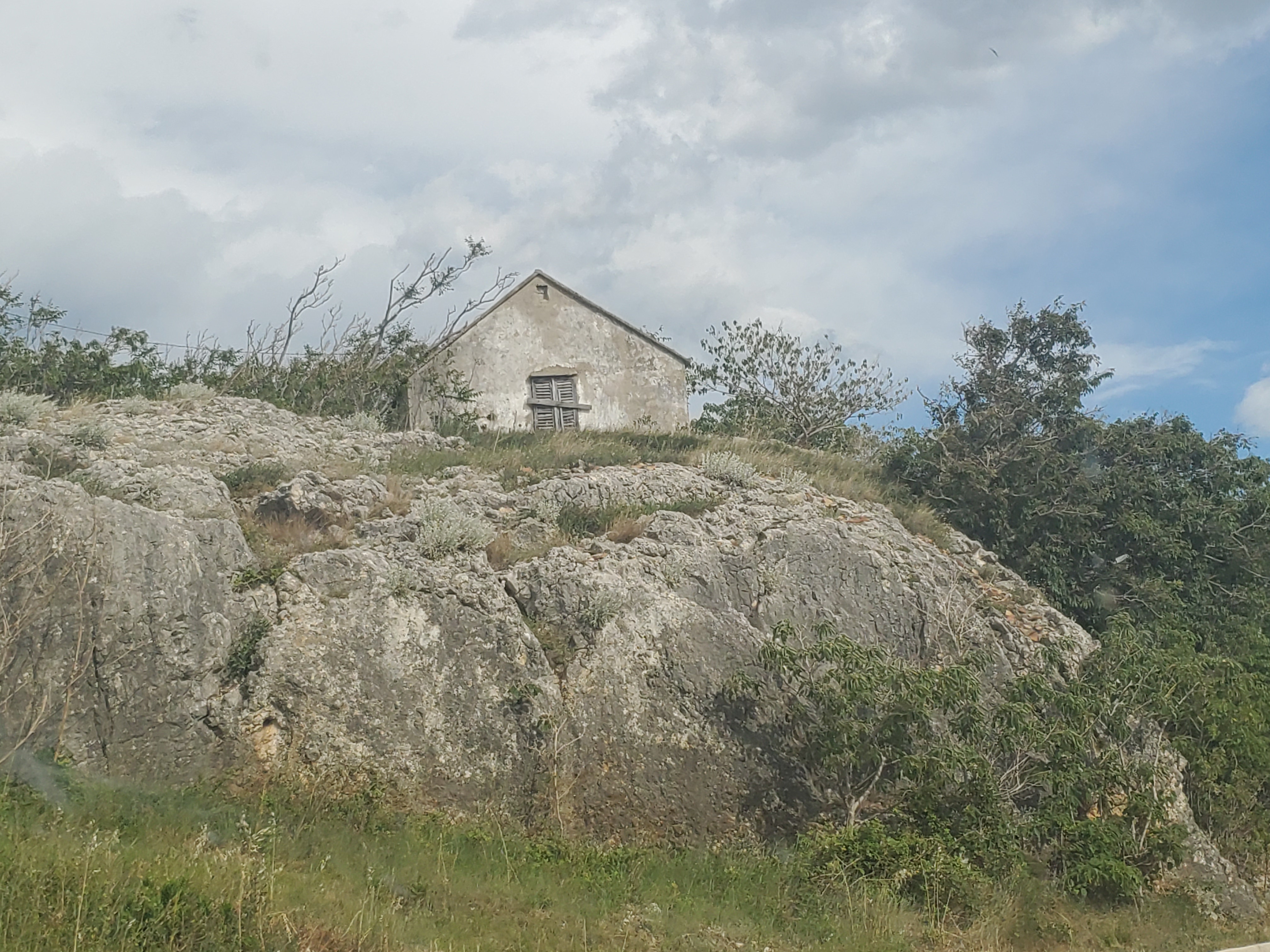
The winding hills of the island take you through olive and caper groves, endless miles of fig trees, terraced green hills full of grazing sheep and criss-crossed with ancient stone walls.




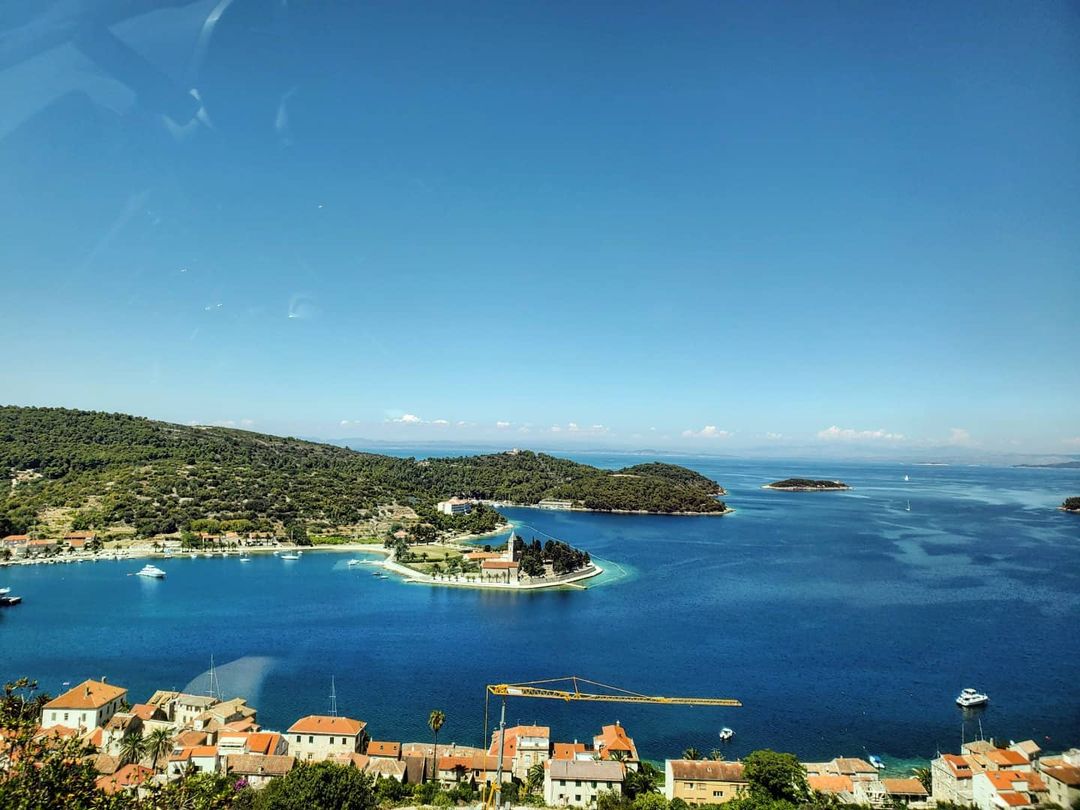


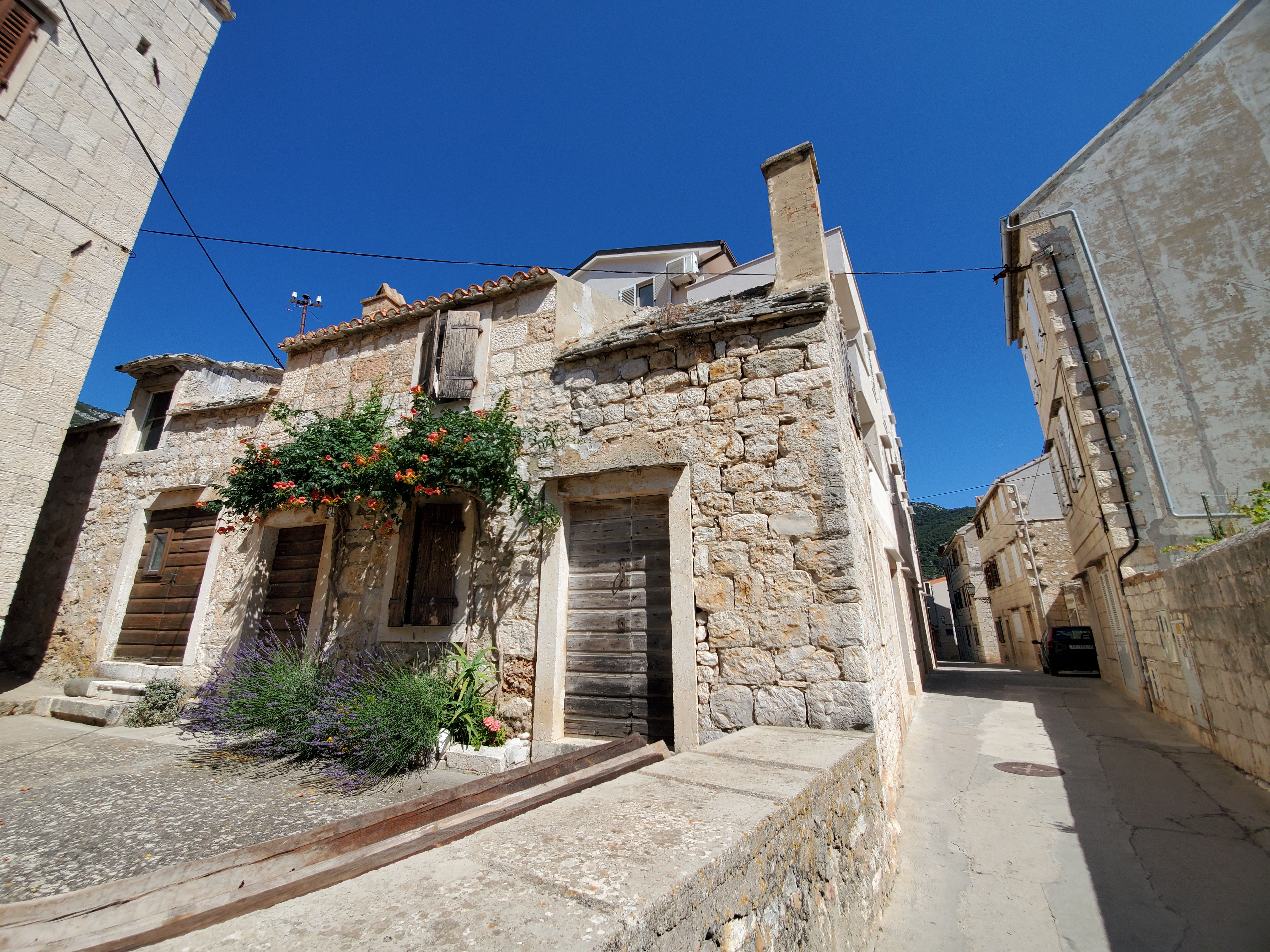
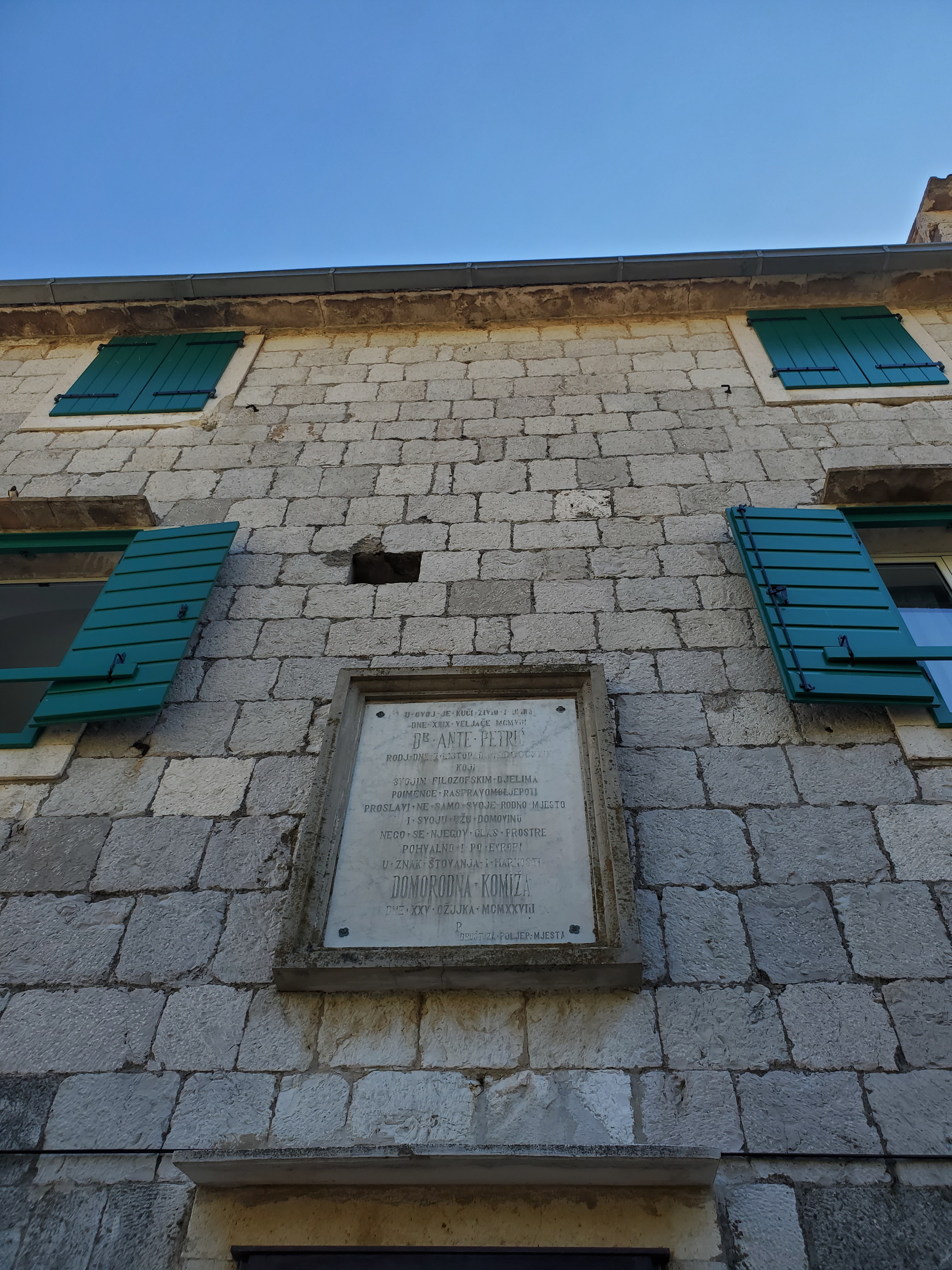
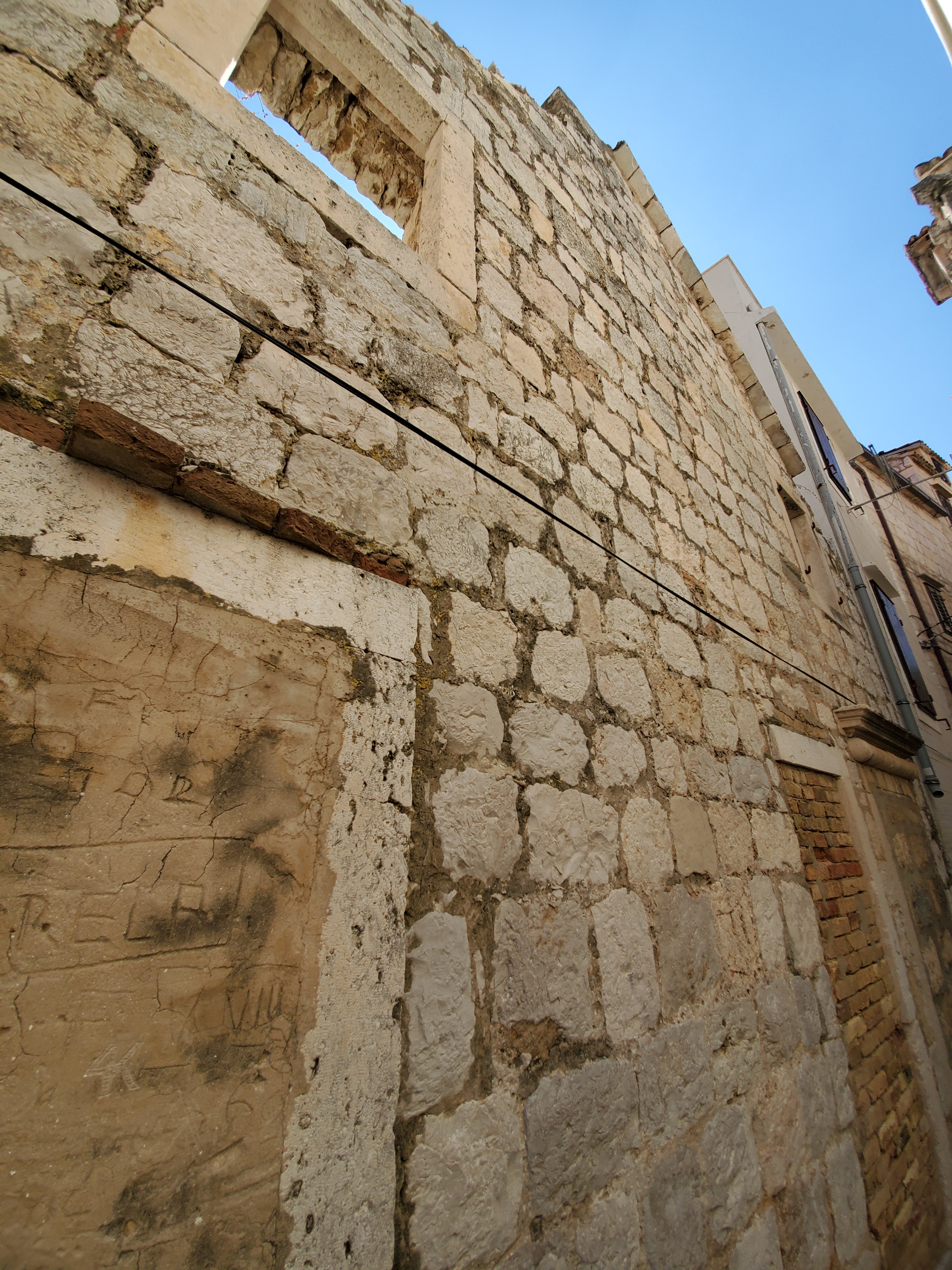
We spent a day exploring the ancient stone streets of the Old Town areas of Vis Town and Komiža that stretch along the entire waterfront of Viska Luka Bay.

Ribarska Street marks the area of Molo Bonda in Komiža, a quaint and traditional fishing neighborhood that dates back to the 12th century. This area is characterized by ancient stone houses that have belonged to generations of fisherman’s families.
These white stone houses have 3 or 4 floors, and lay directly on the water. When these houses were built the ground floor was used for salting and preserving fish for export and the family would live on the floors above.



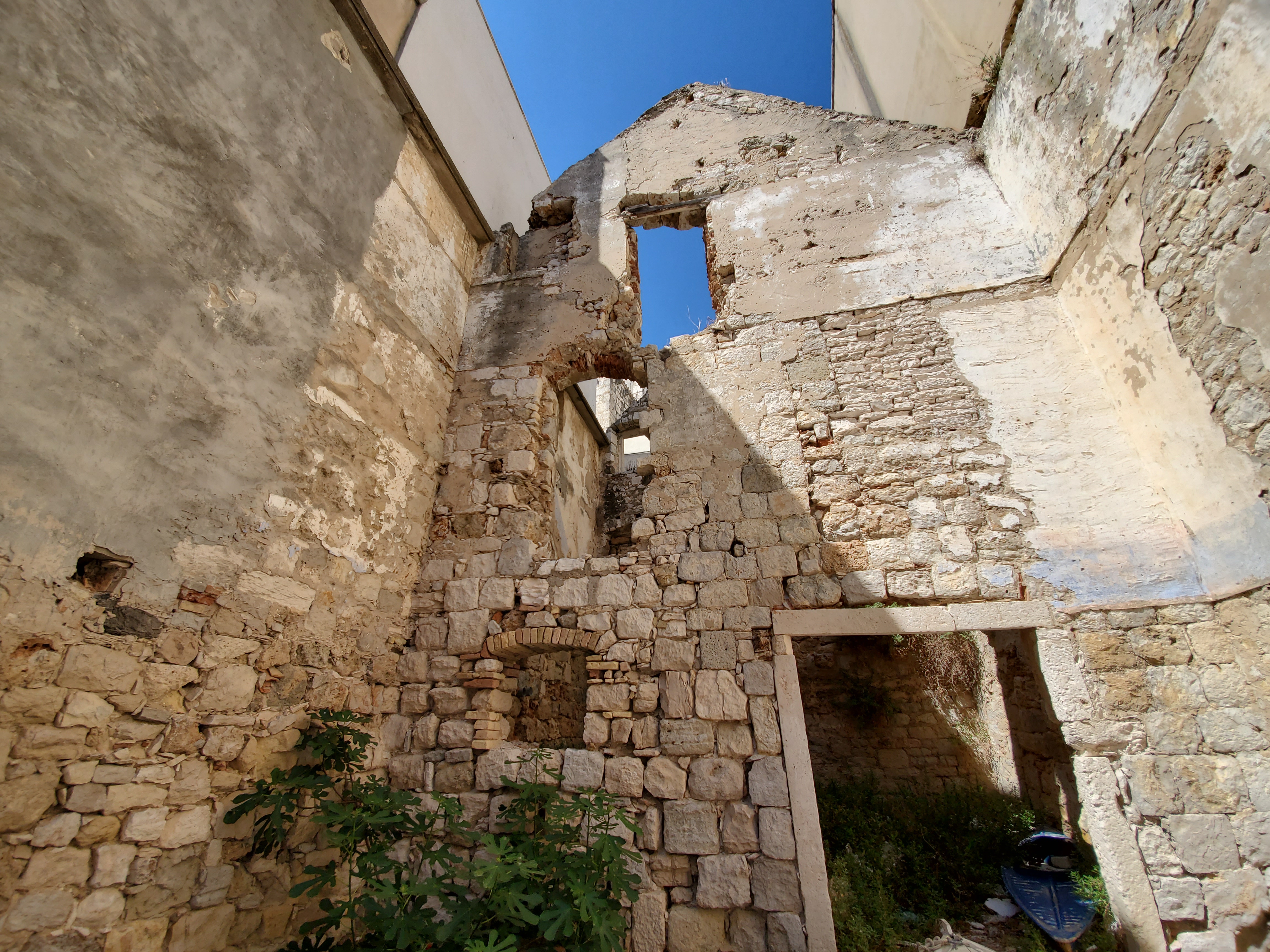


In the past the island of Vis (particularly the town of Komiža) was under constant threat from pirate attacks, more than any other Dalmatian island, which not only faced the open sea but also had an established fishing industry known to export large quantities of salted fish to Venice.
Salted fish was highly valuable goods, and the reason why pirates often went after Komiža’s fishing boats carrying a heavy load of barrels stuffed with valuable fish.
Pirates would often captured the fishermen and later sell them as galley slaves to other pirates.
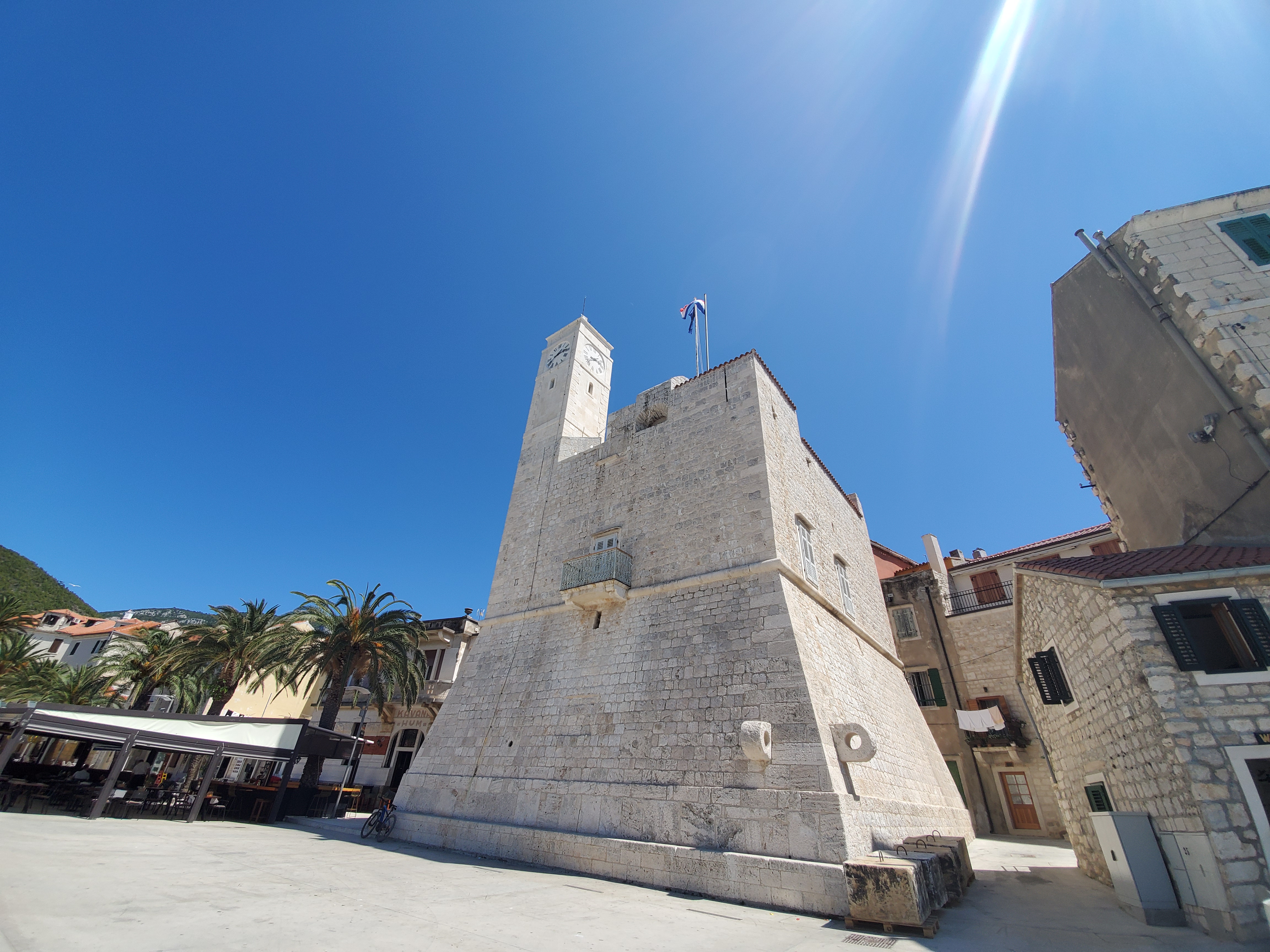
In the gallery below are photos from Vis Town and the fishing village of Komiža,
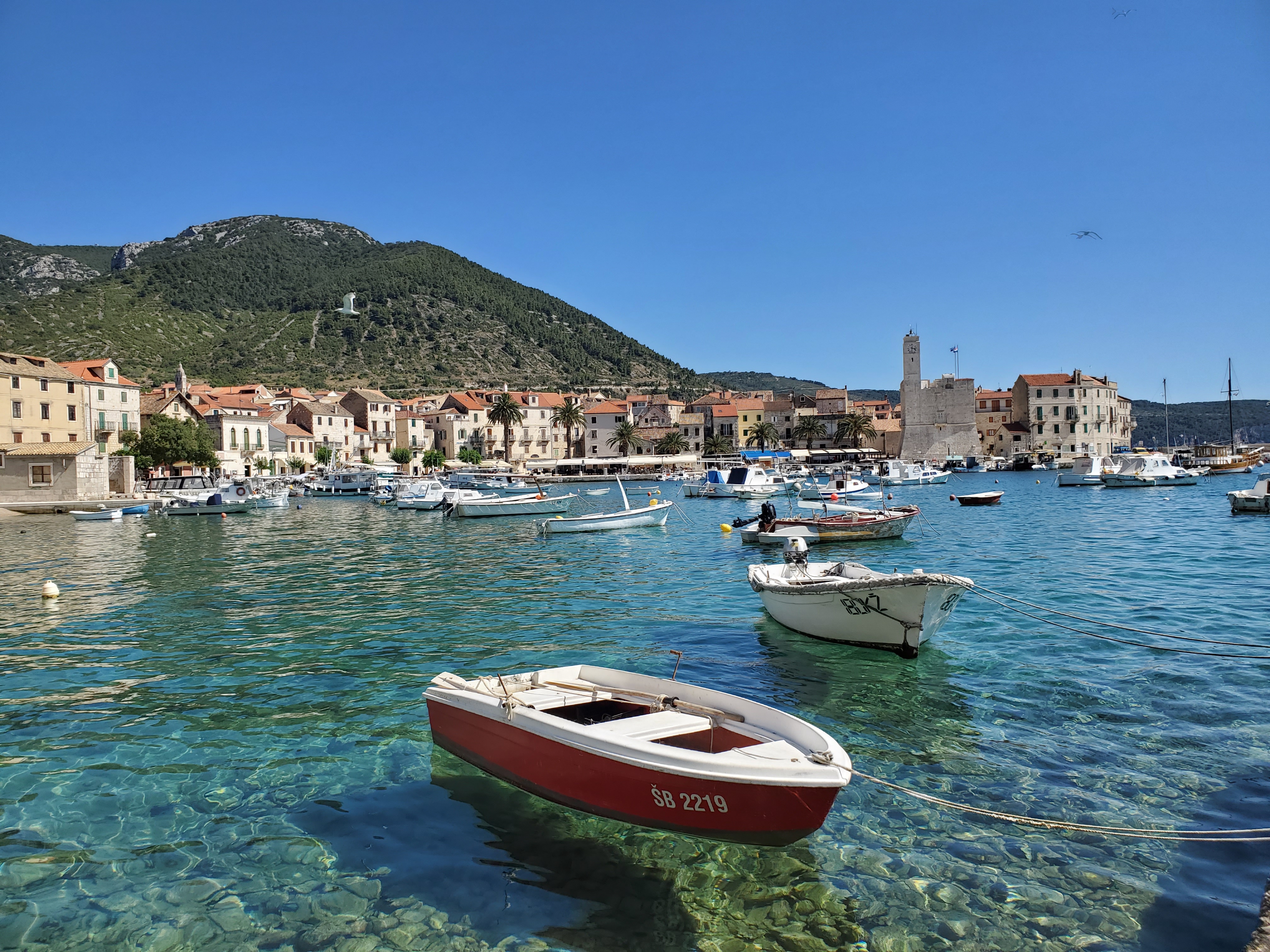
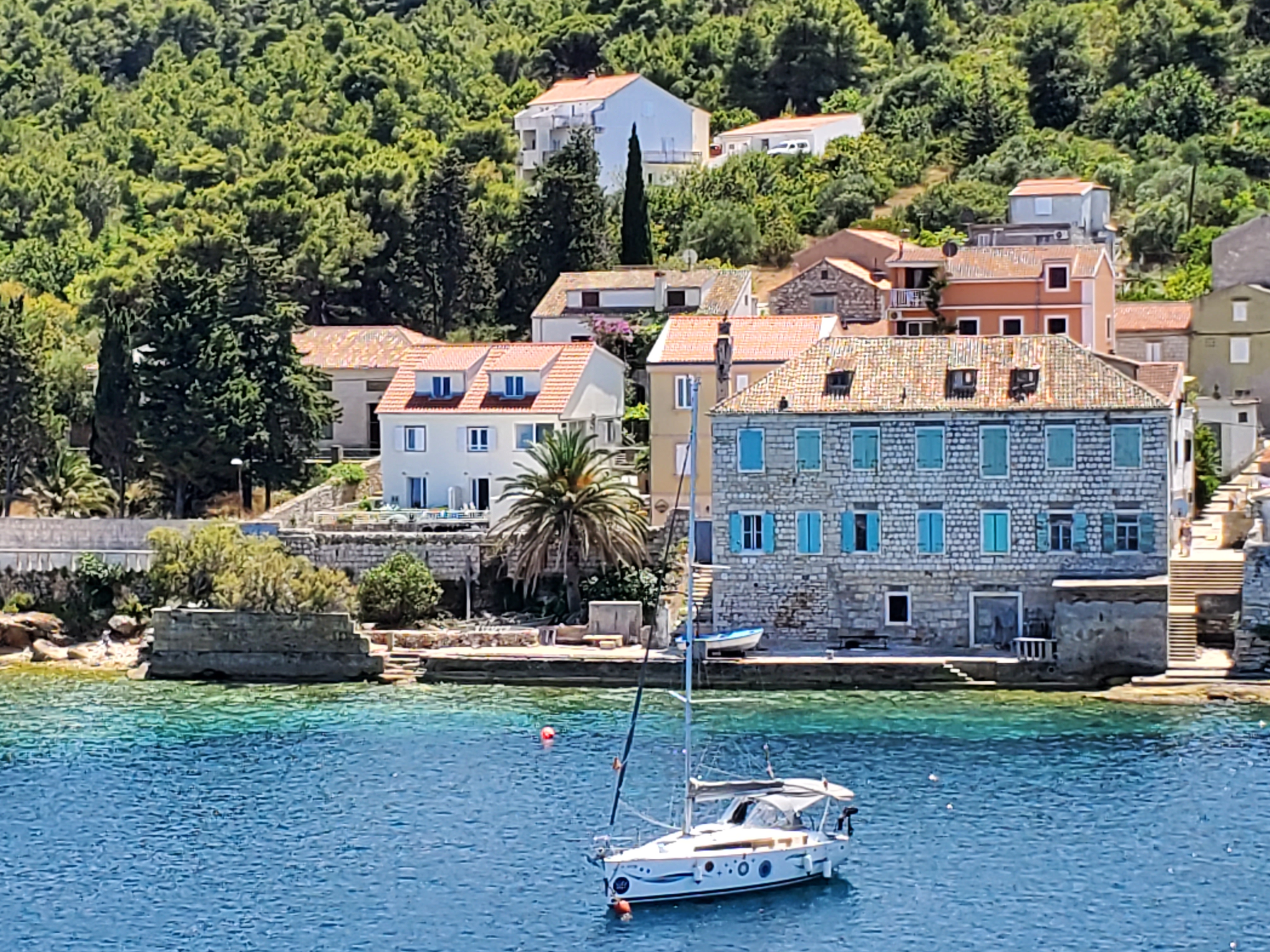

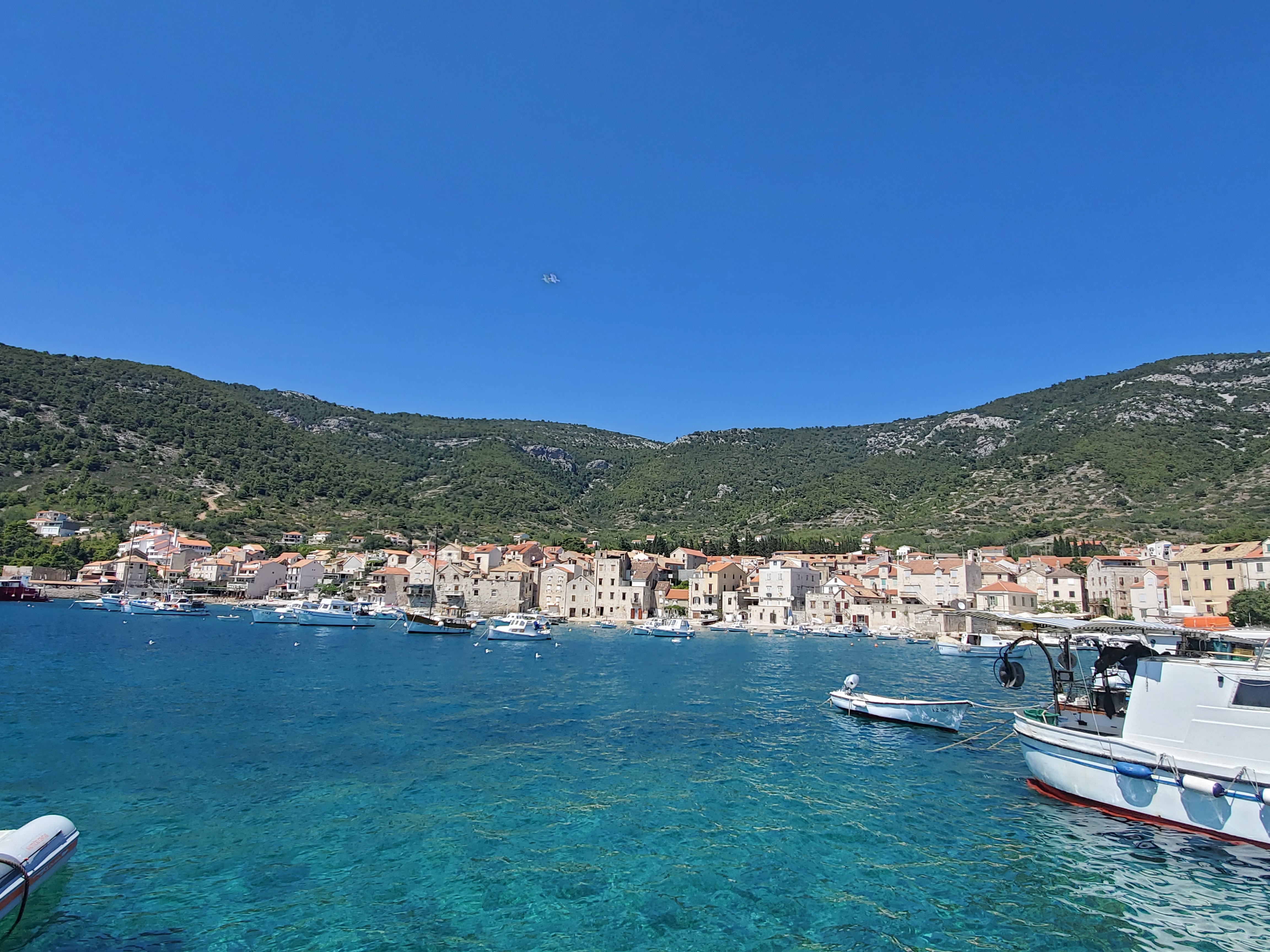


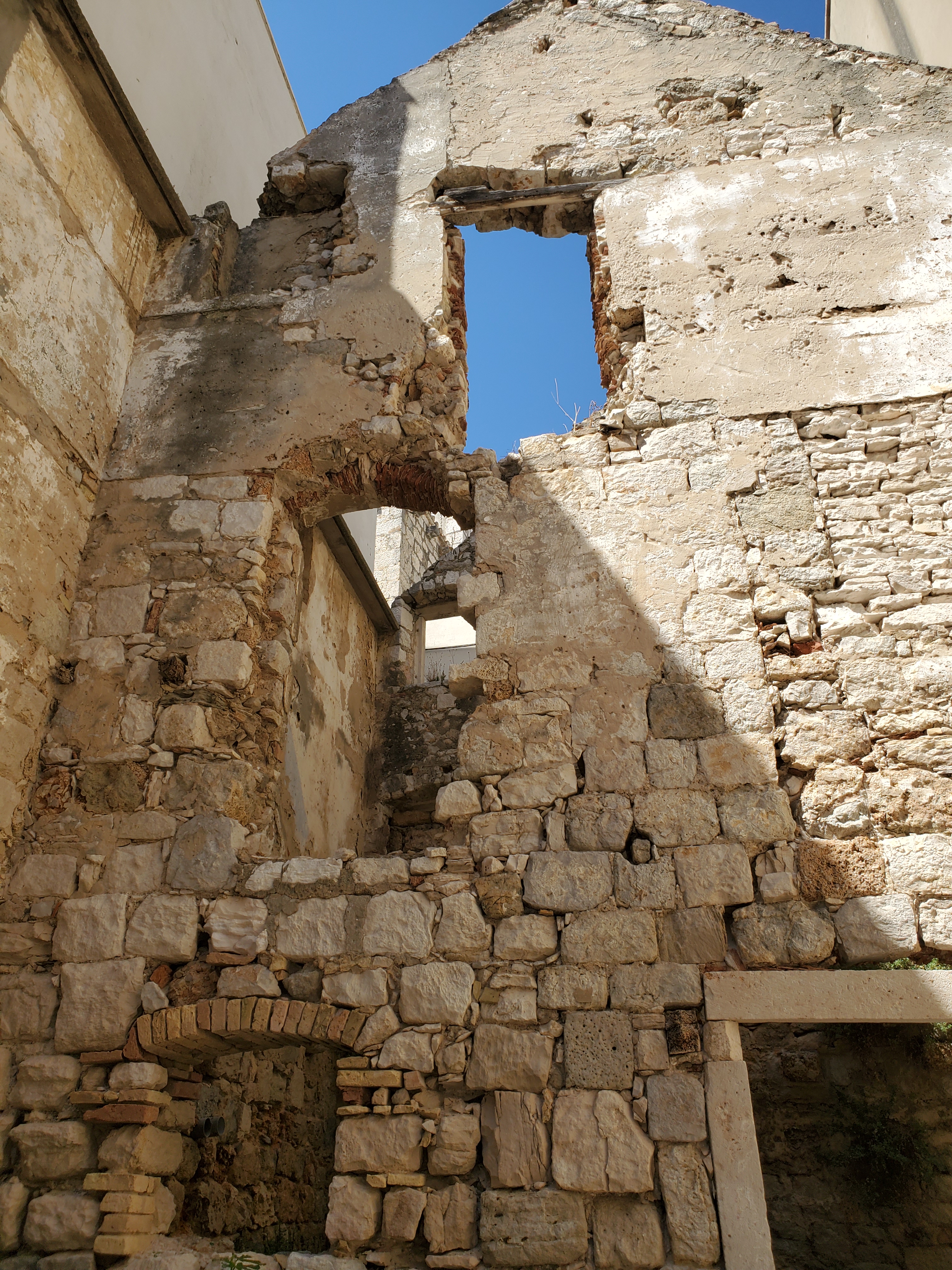

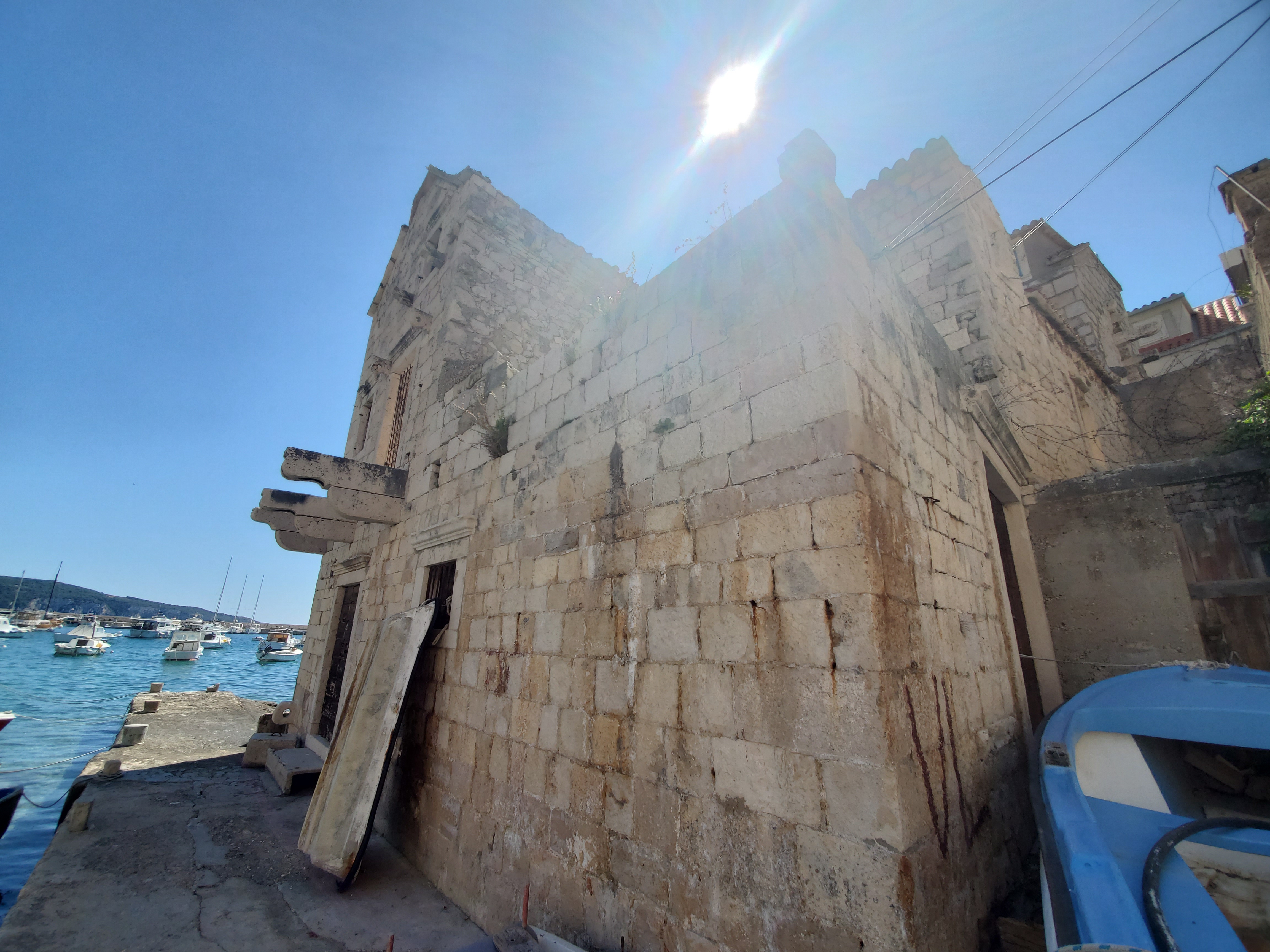
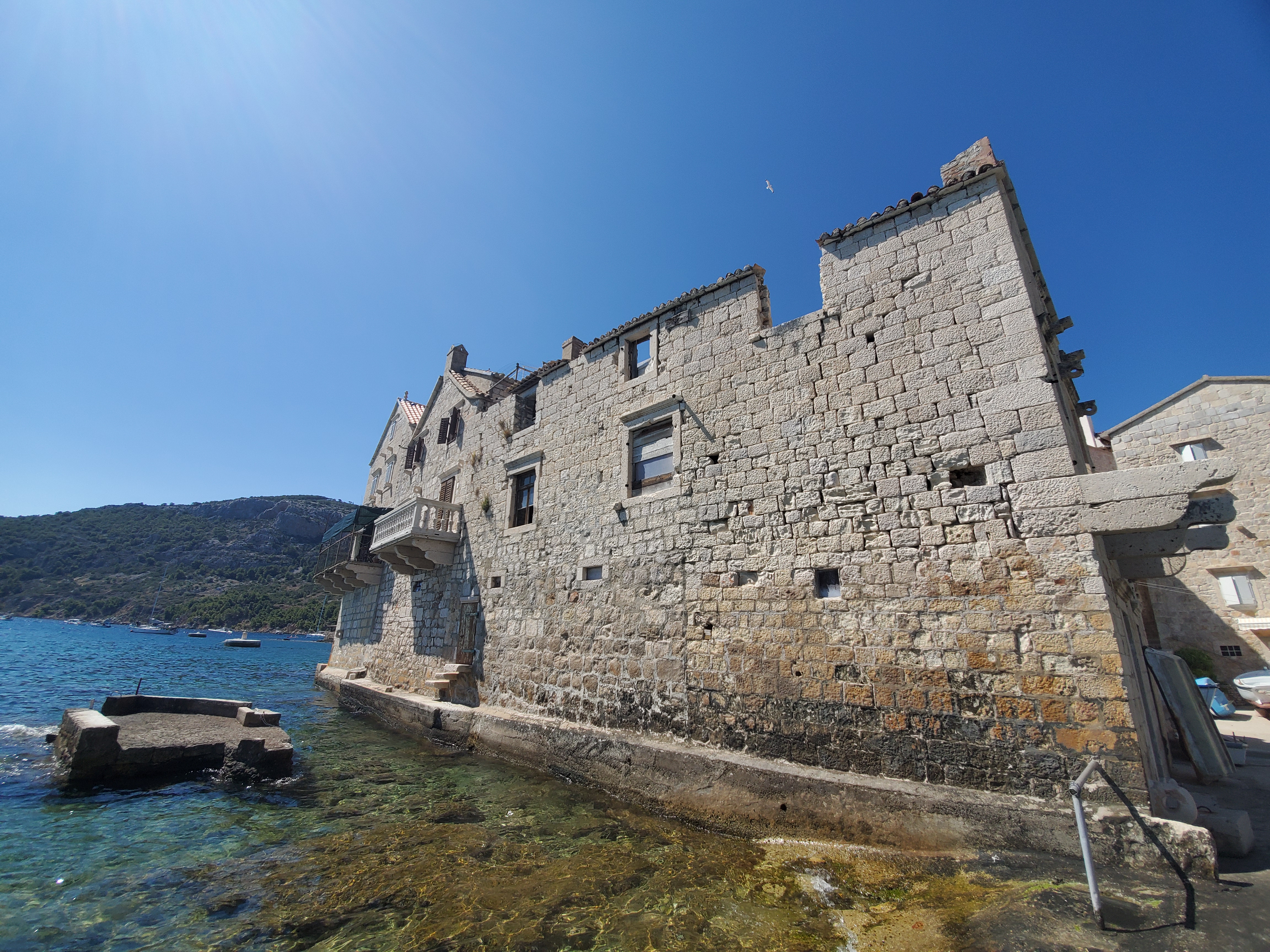

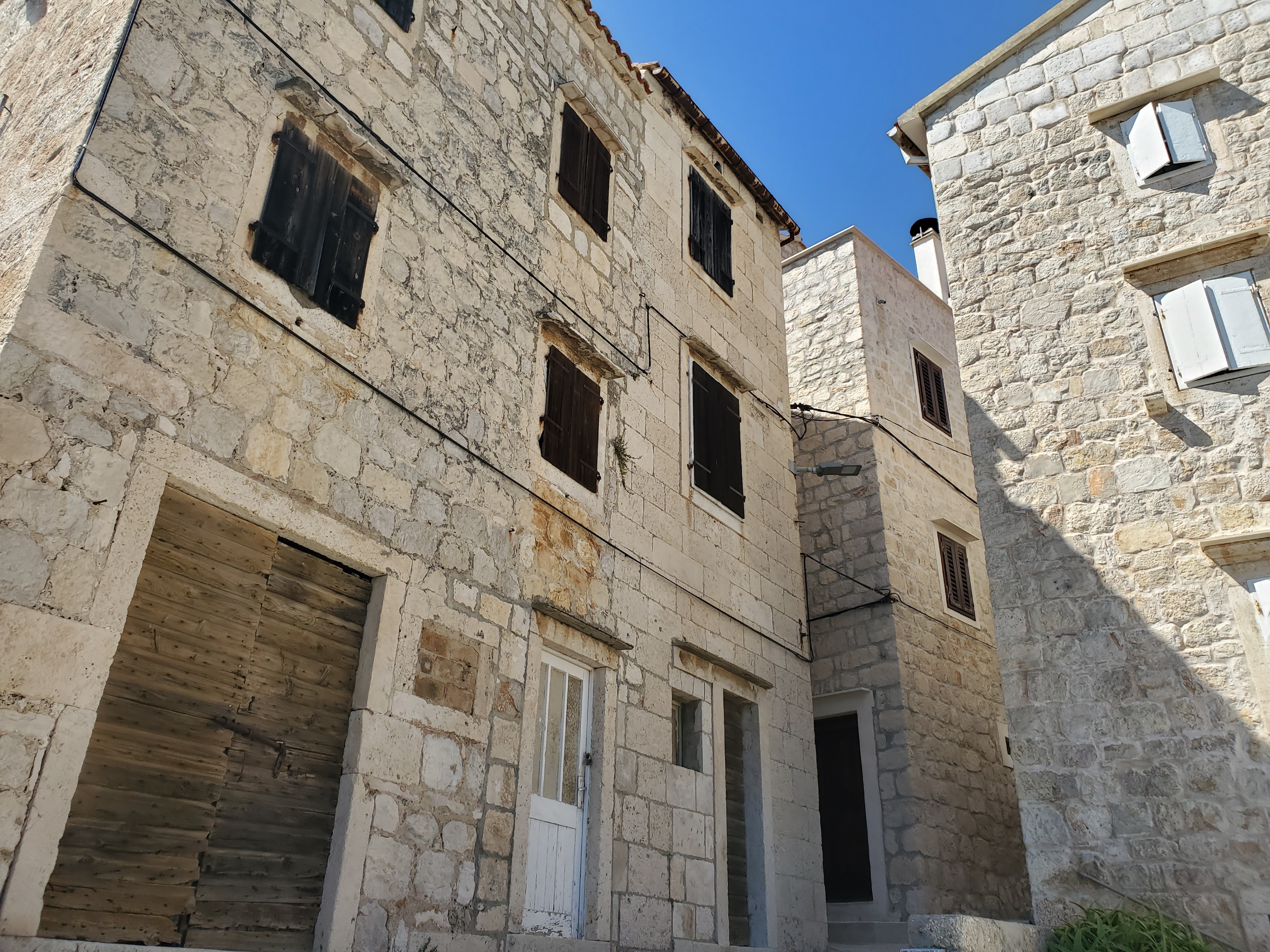

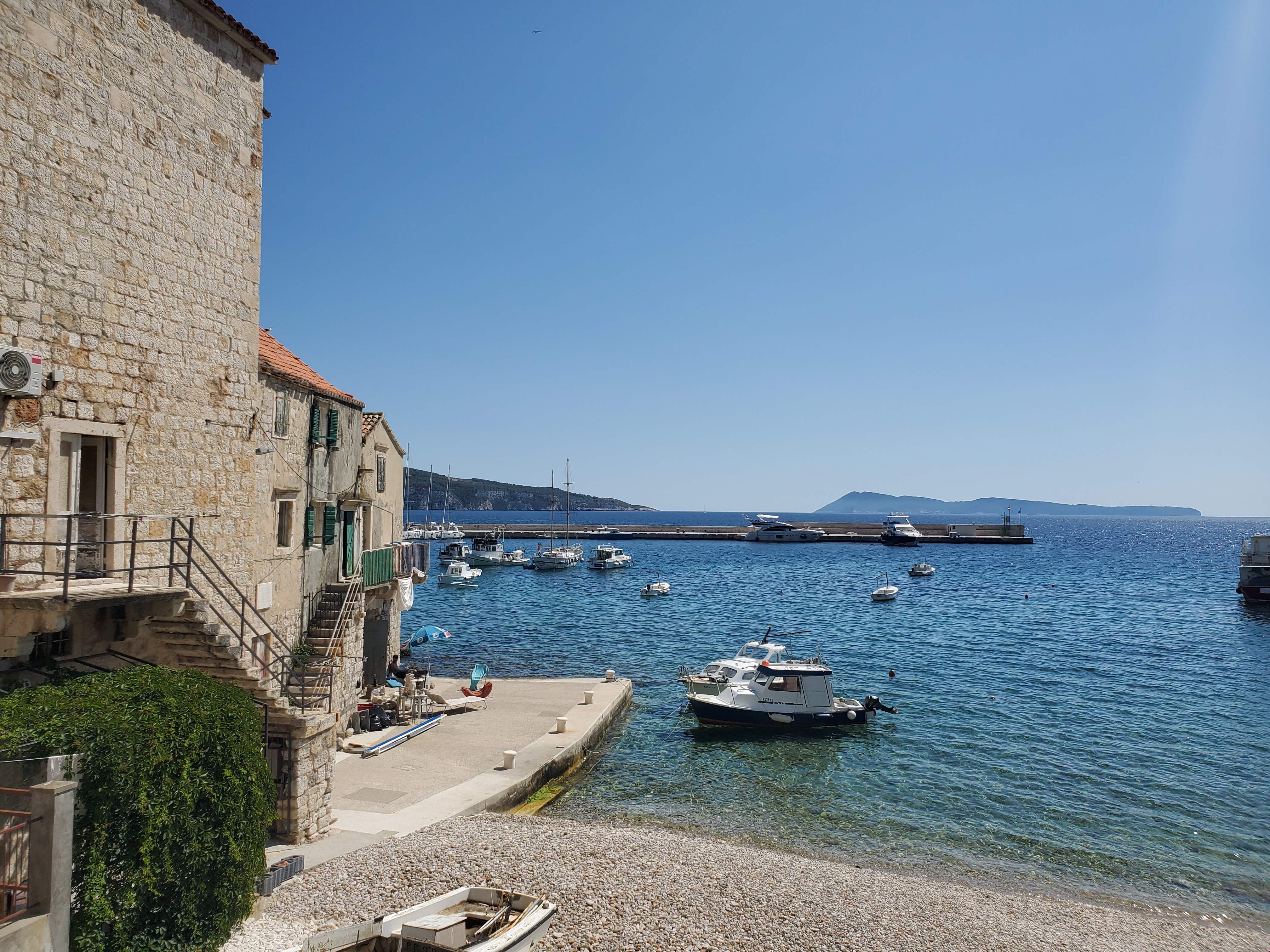
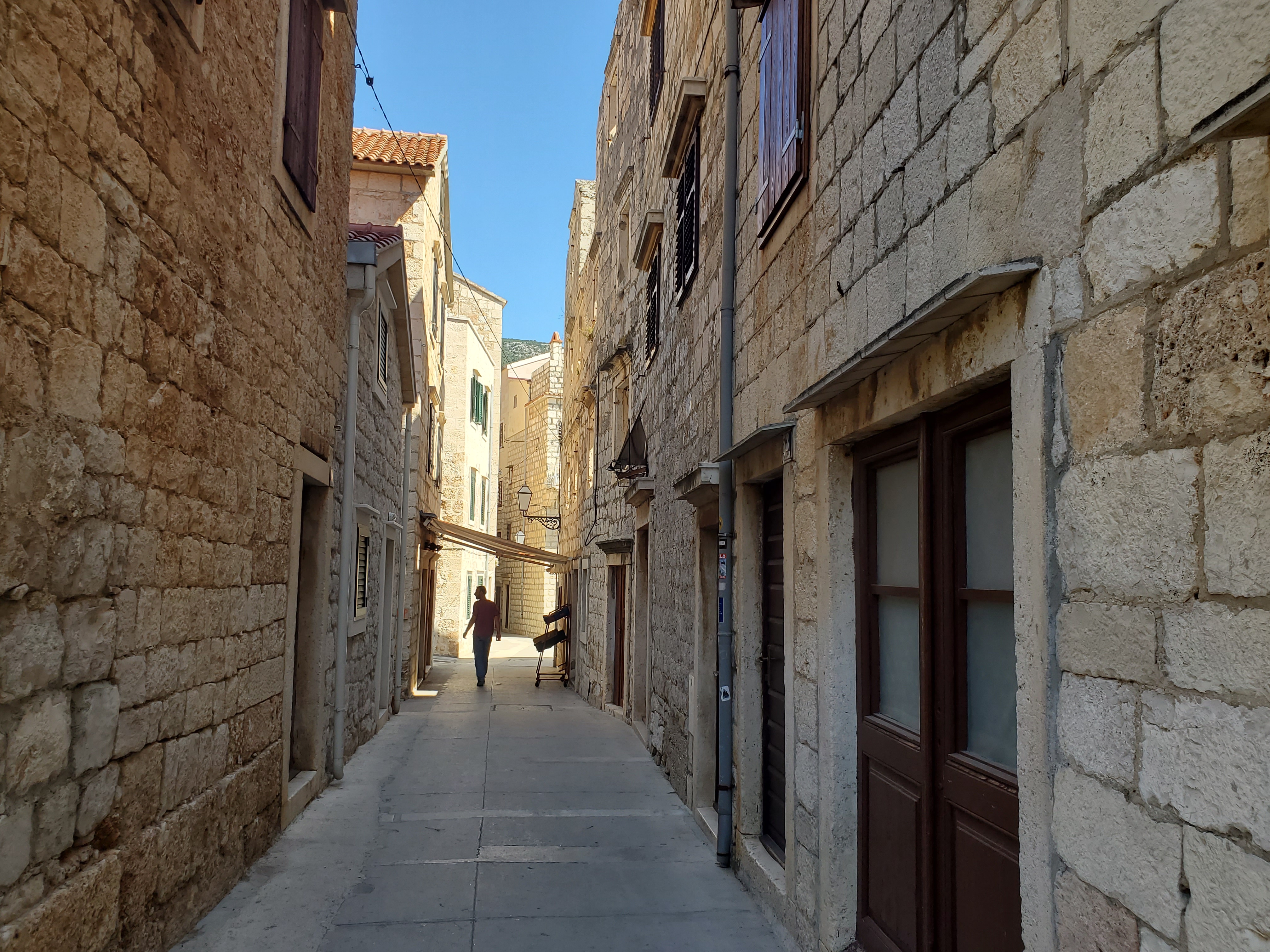

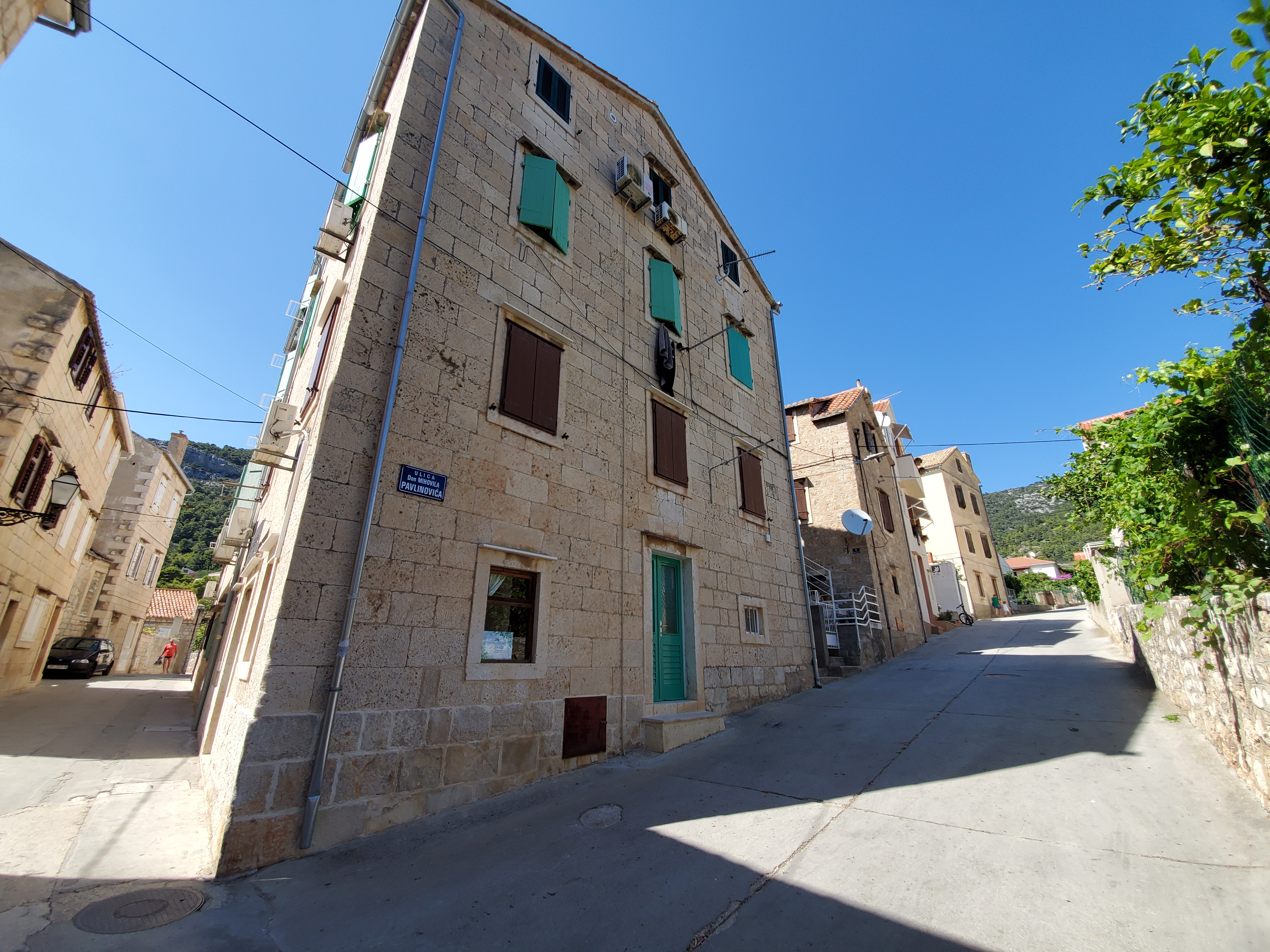

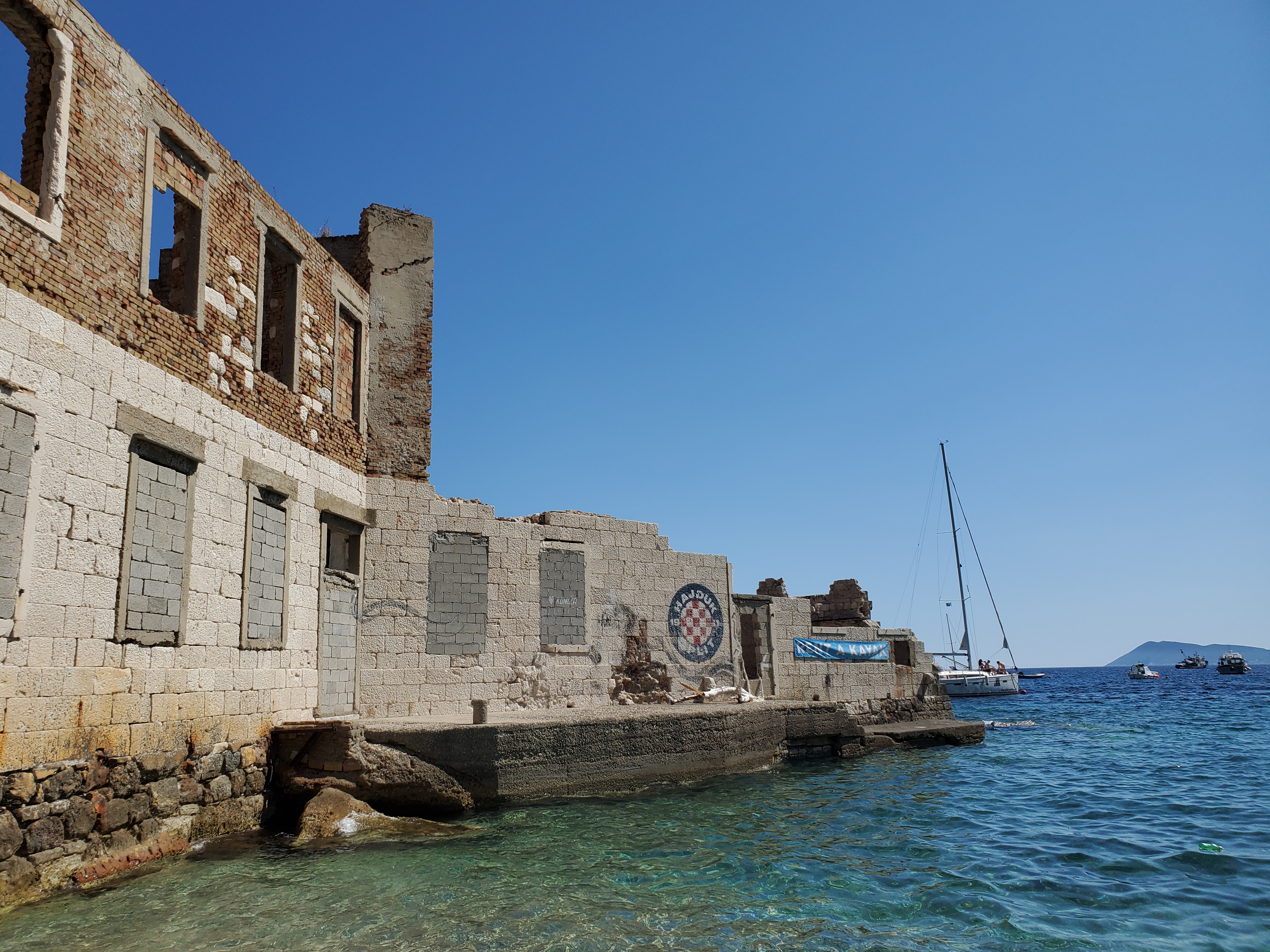


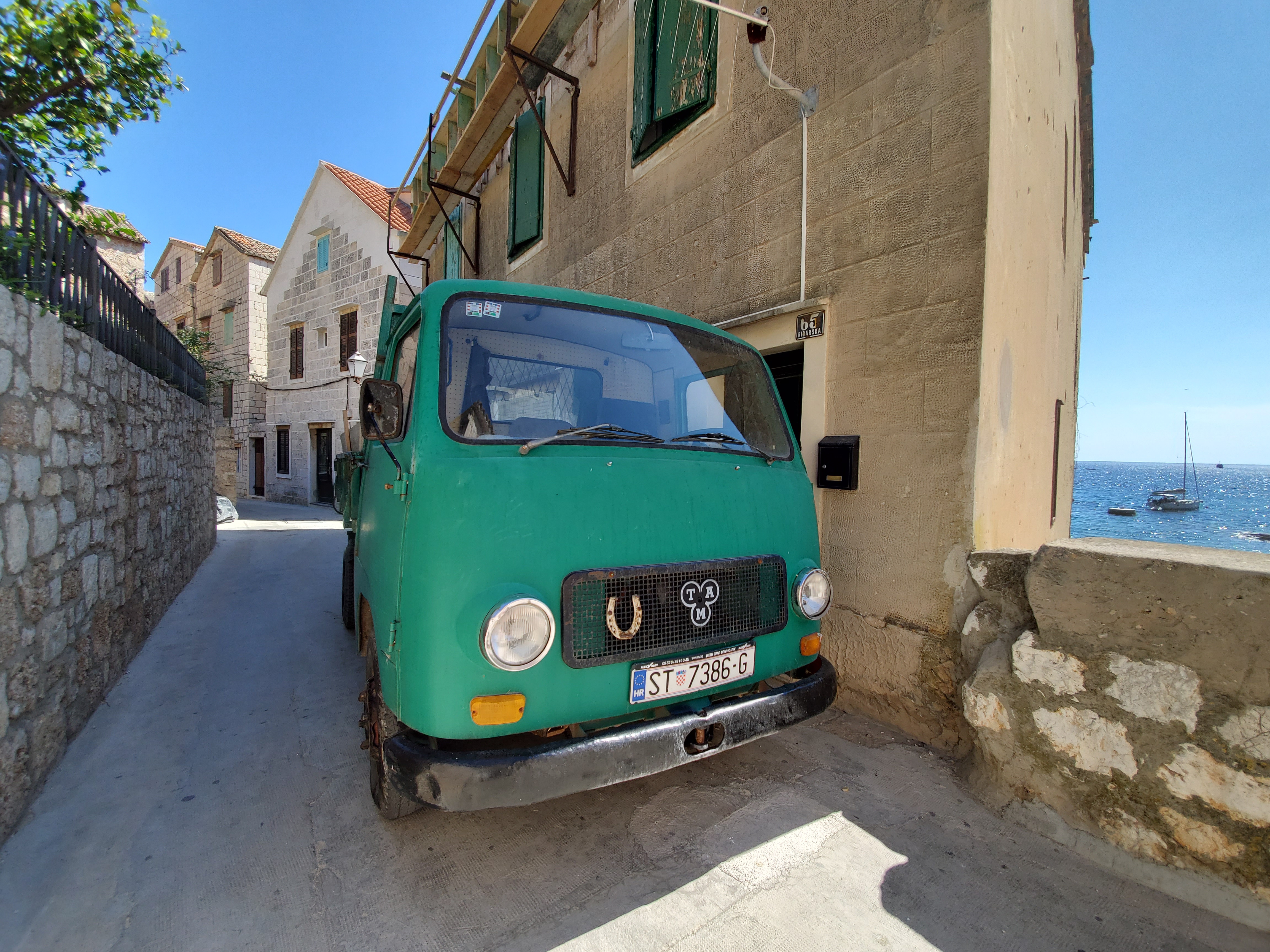


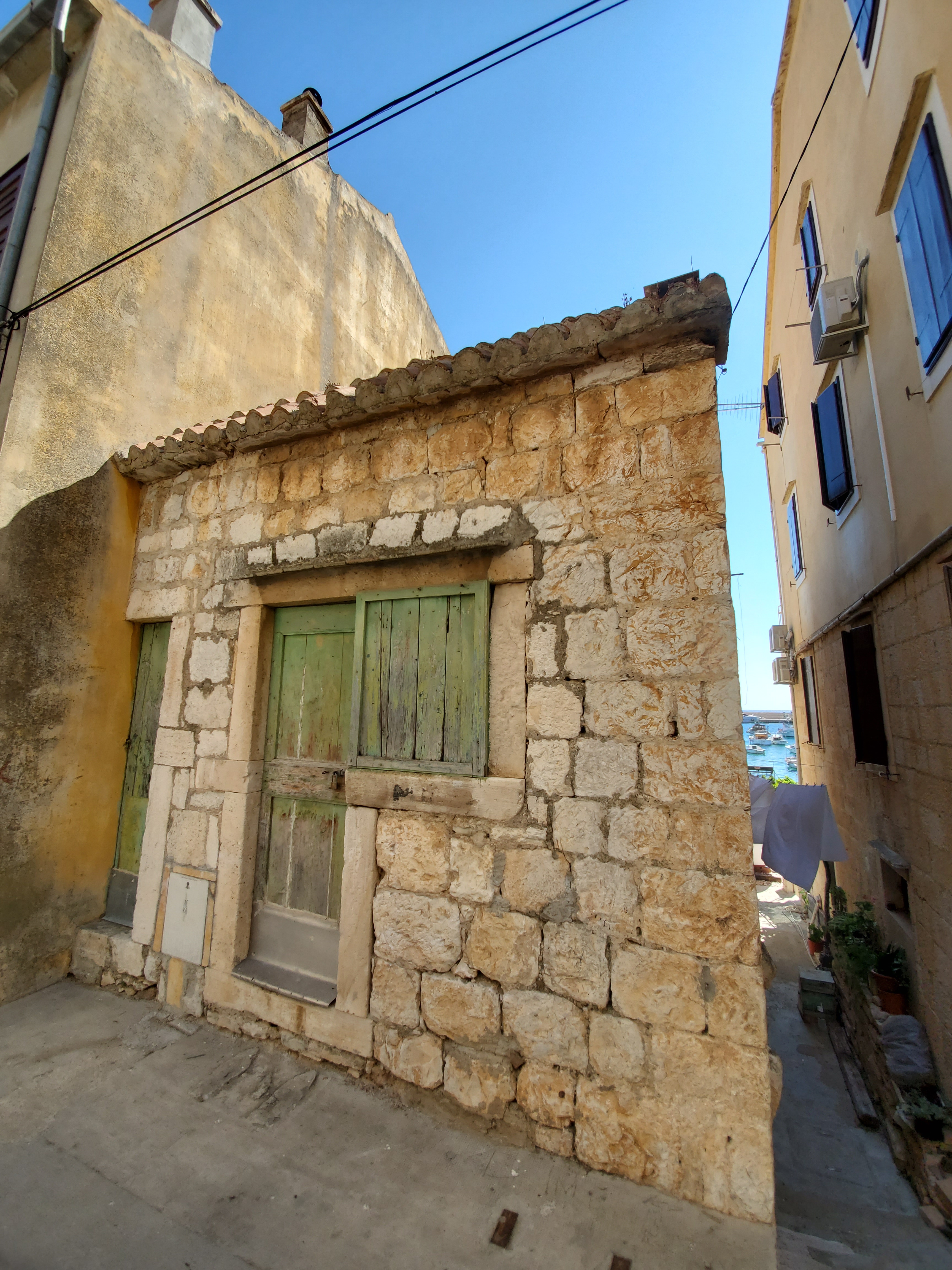
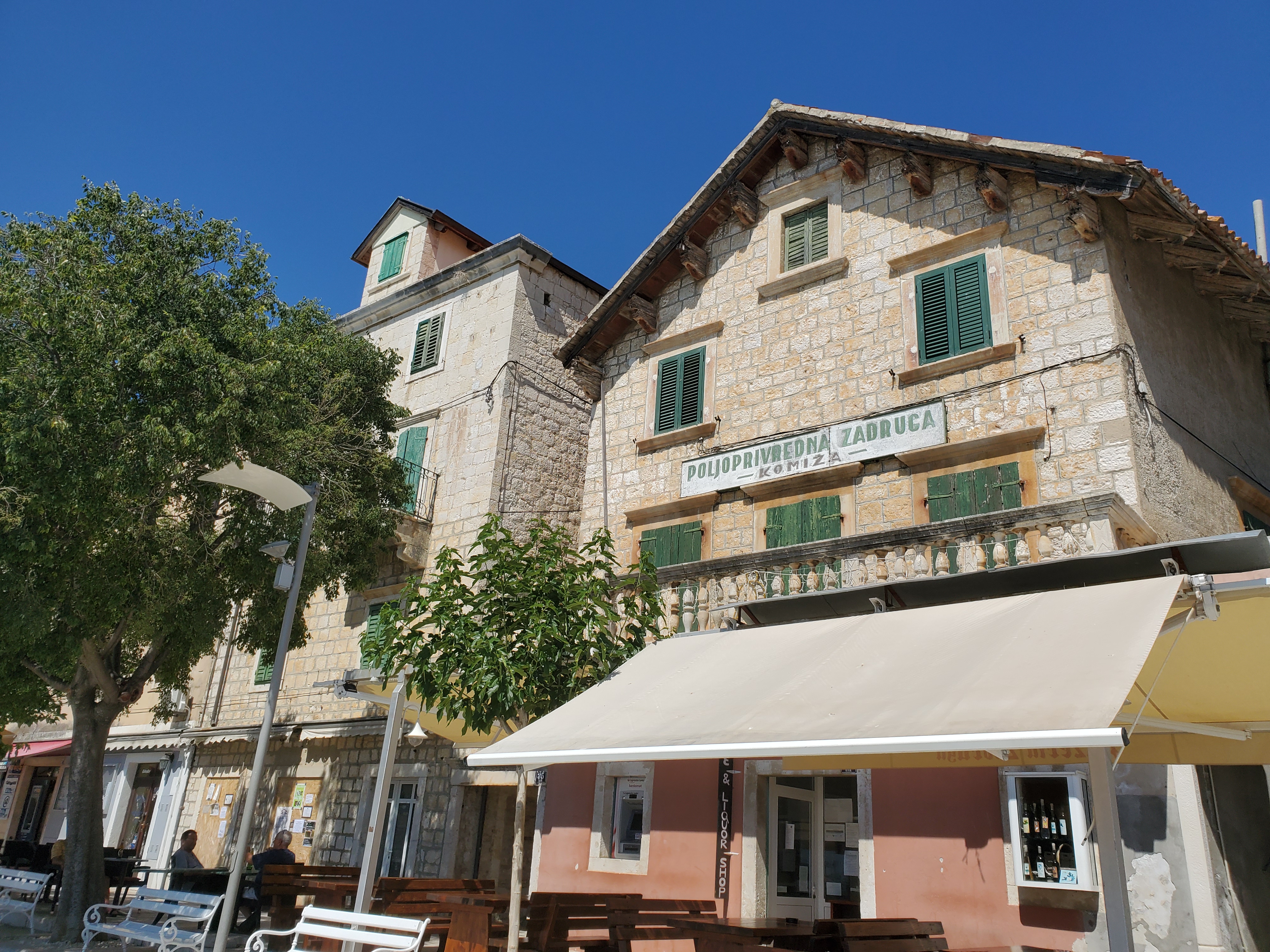

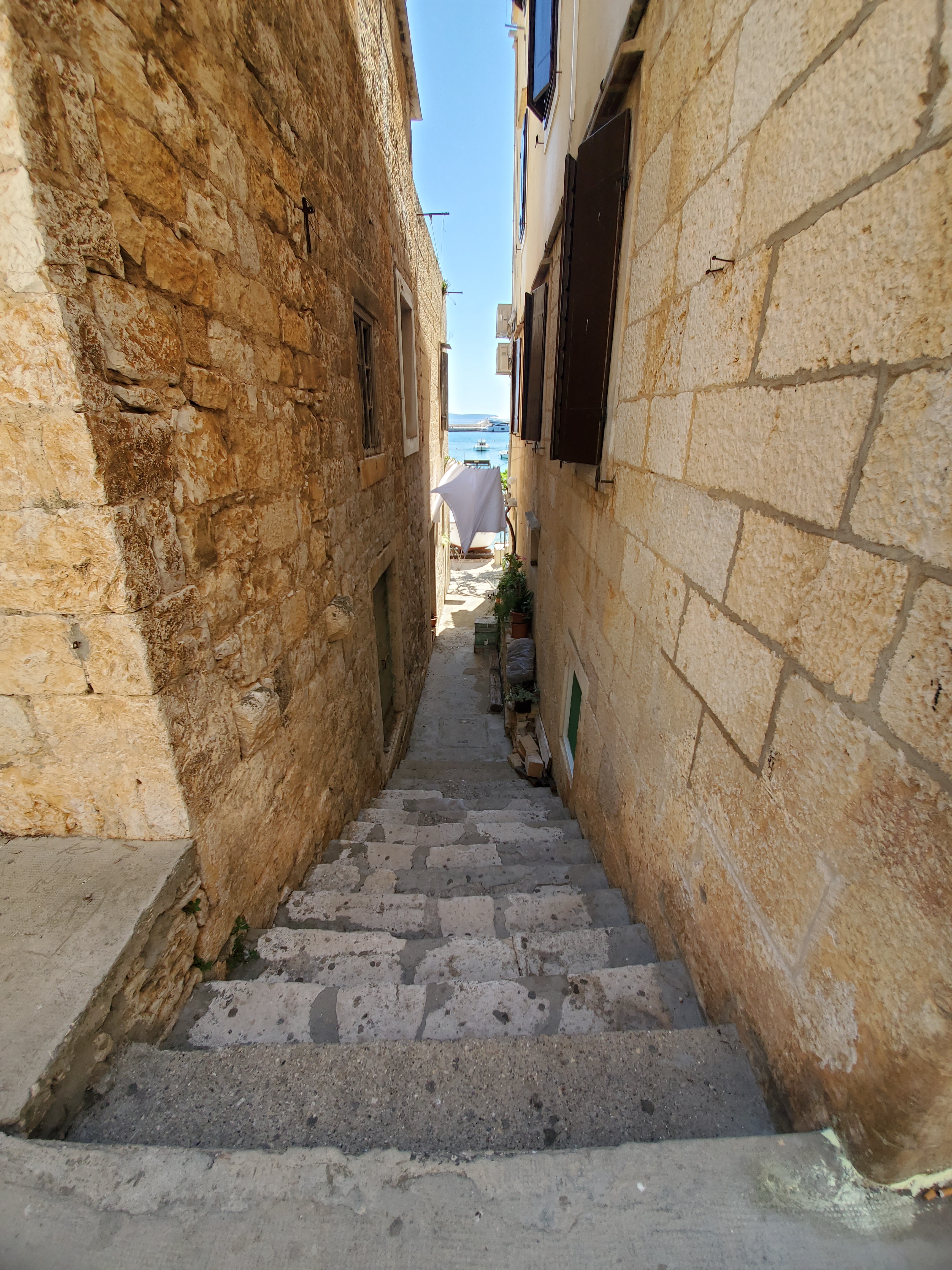


Vis will sure capture your attention and quickly earn a well-deserved place in your heart. However, while you’re here, it can be easy to forget the island’s very turbulent military history that is just as important as it’s natural beauty.
Unless you’re looking for the abandoned military sites, you just might miss the standing, living and breathing testaments to this countries complicated, but fascinating past.
The island of Vis is well known for it’s historical importance and it’s well preserved military history.
During WWII, Josip Broz “Tito” the ex-Yugoslavian leader, liberated the island from the occupying Italian fascist forces and took shelter using the island for military base for the Yugoslav Partisan Resistance army.
Allied fighter planes were also based at a small airfield on the island that was used for emergency landings of Allied bombers.
Vis is the furthest inhabited Croatian island from the coast and therefor is strategically the most important island in Adriatic Sea. Realizing the strategic importance of the island and the usefulness of its many caves and coves from his years there fighting the Germans, Tito kept a tight grip on the island, making it one of the main naval bases of the Yugoslav People’s Army.
The entire island was effectively turned into a closed military base, out of bounds for both Yugoslav civilians from the mainland, and foreigners. Many areas were prohibited even to the island’s residents.
As you travel around the island you can still see the concrete posts and barbed wire barriers that enclose most the base.


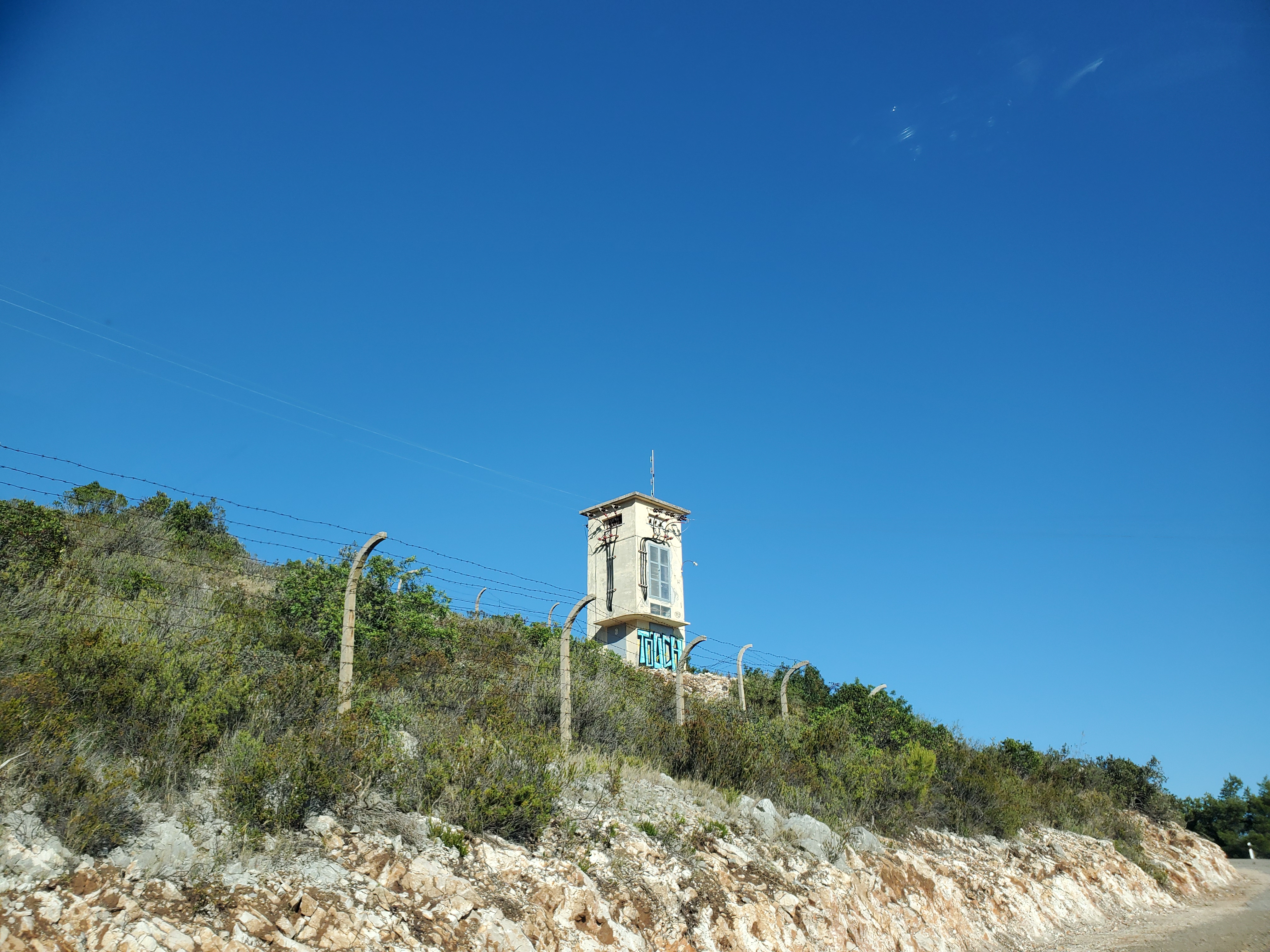
While building the base, the Yugoslav navy burrowed and excavated for decades, turning the island into a network of a subsurface tunnel system, caves, bunkers and facilities where armed forces could hide in case of an invasion. The island of Vis was closed to the public in 1940 and only became accessible again in 1991, which is why it appears largely untouched.
For 50 years, the island followed a policy of isolation and was inaccessible to tourists. When Yugoslav army left the island in 1992, Vis remained a ghost town of former army barracks.
Not much has changed, even today.
To explore the abandoned military sites, we easily hired a boat for the day and set out to see the island.
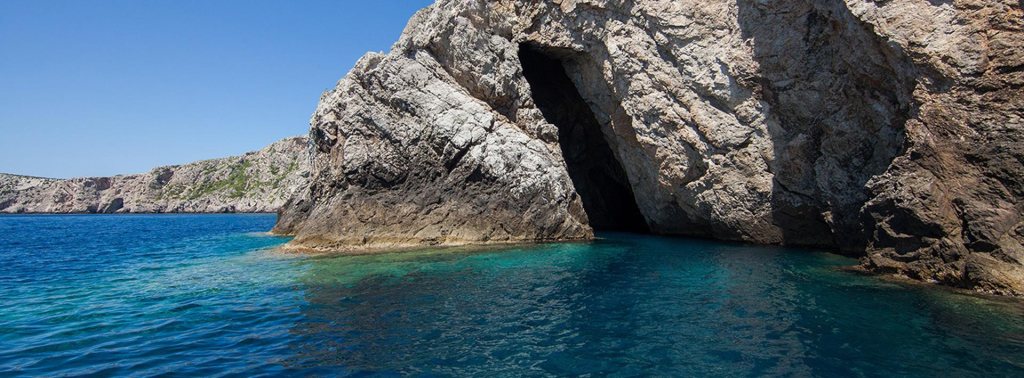
We came to tunnels built into the island’s rocky coast that were used to hide submarines from enemy view. Only accessible by boat, you will need a small vessel to go inside this amazing Brutalist monument to Croatia’s military history.


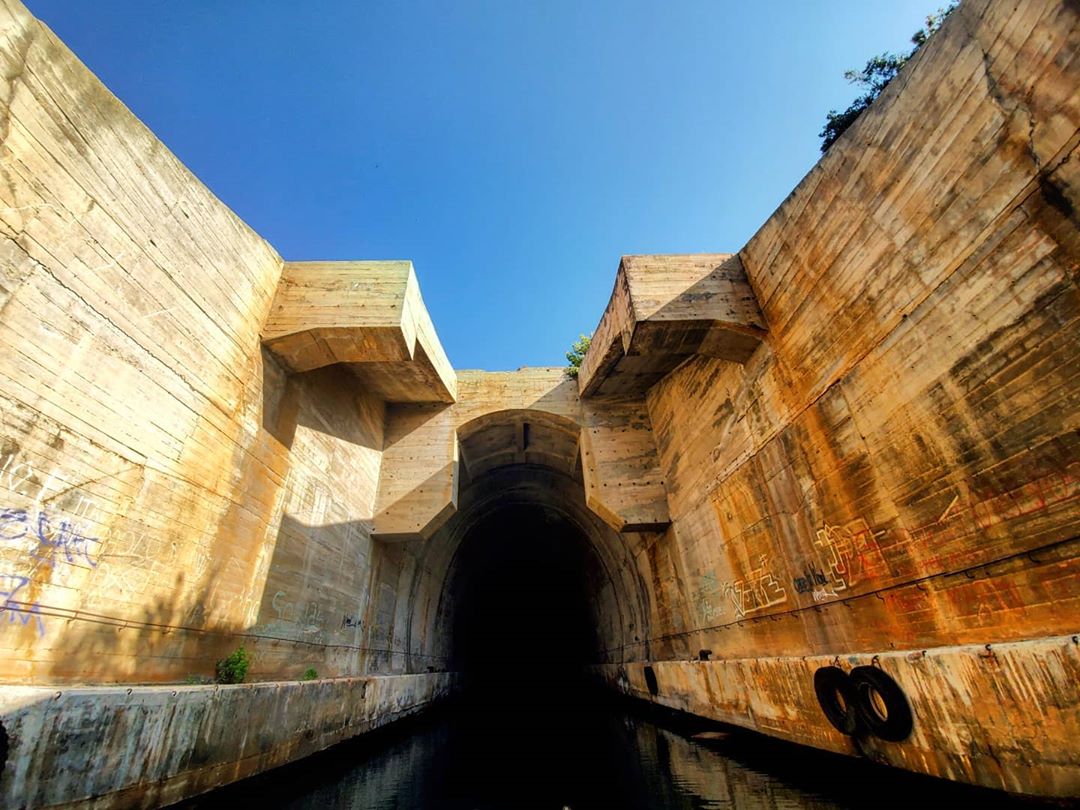


Notice the old military Jeep tires that still hang along the wall.
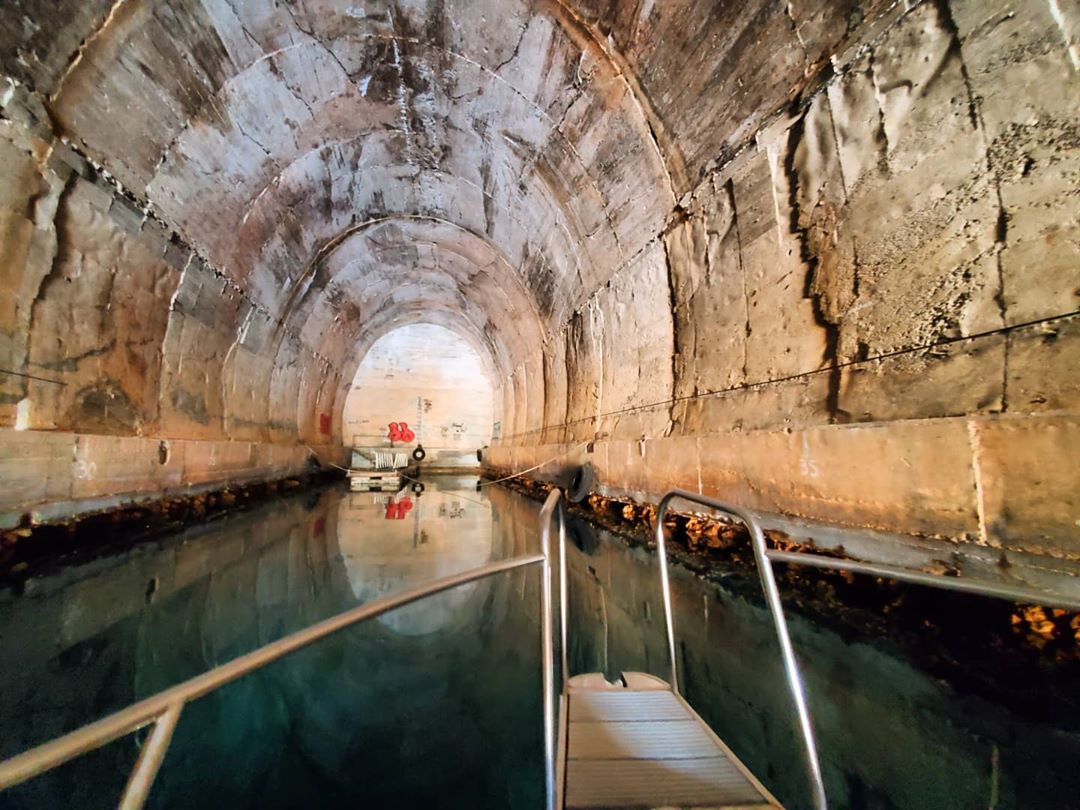

Once inside you will spot the entrances into the underground tunnel system that links the entire island in a maze of bunkers, lookout points and heavy artillery stations. This secret, underground labyrinth of tunnels was constructed and linked at various defense vantage points around the island.
“This island is like swiss cheese”
Davor, our boat Captain
Once we heard that and saw the tunnel entrances, we decided we HAD to come back on foot later and explore on our own.
We spent the rest of the afternoon sailing around the islands and exploring the natural caves on Biševo Island. We moored the boat and dove off to swim between two towering rock gates to reach Stivina Cove, dubbed one of the most beautiful beaches in the Europe in 2016.
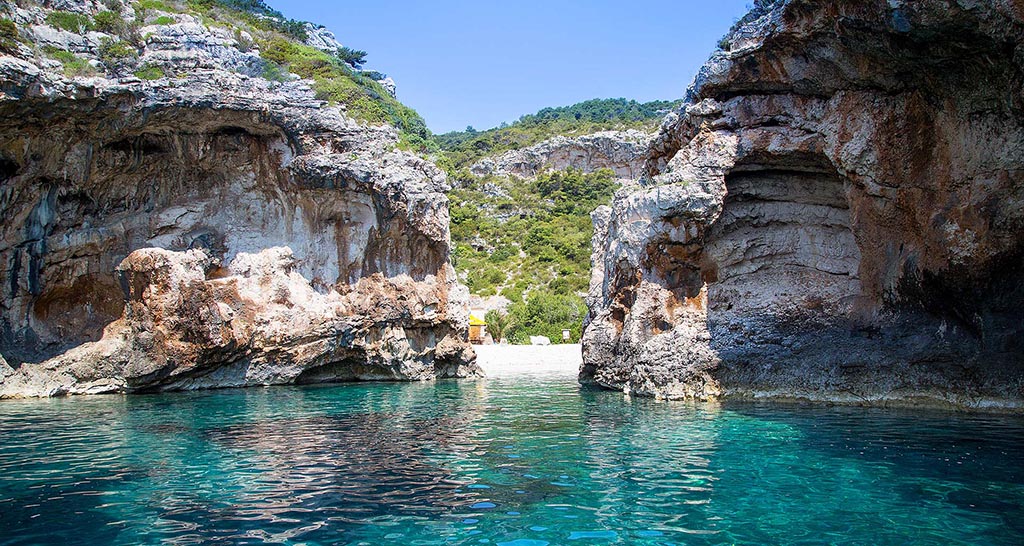


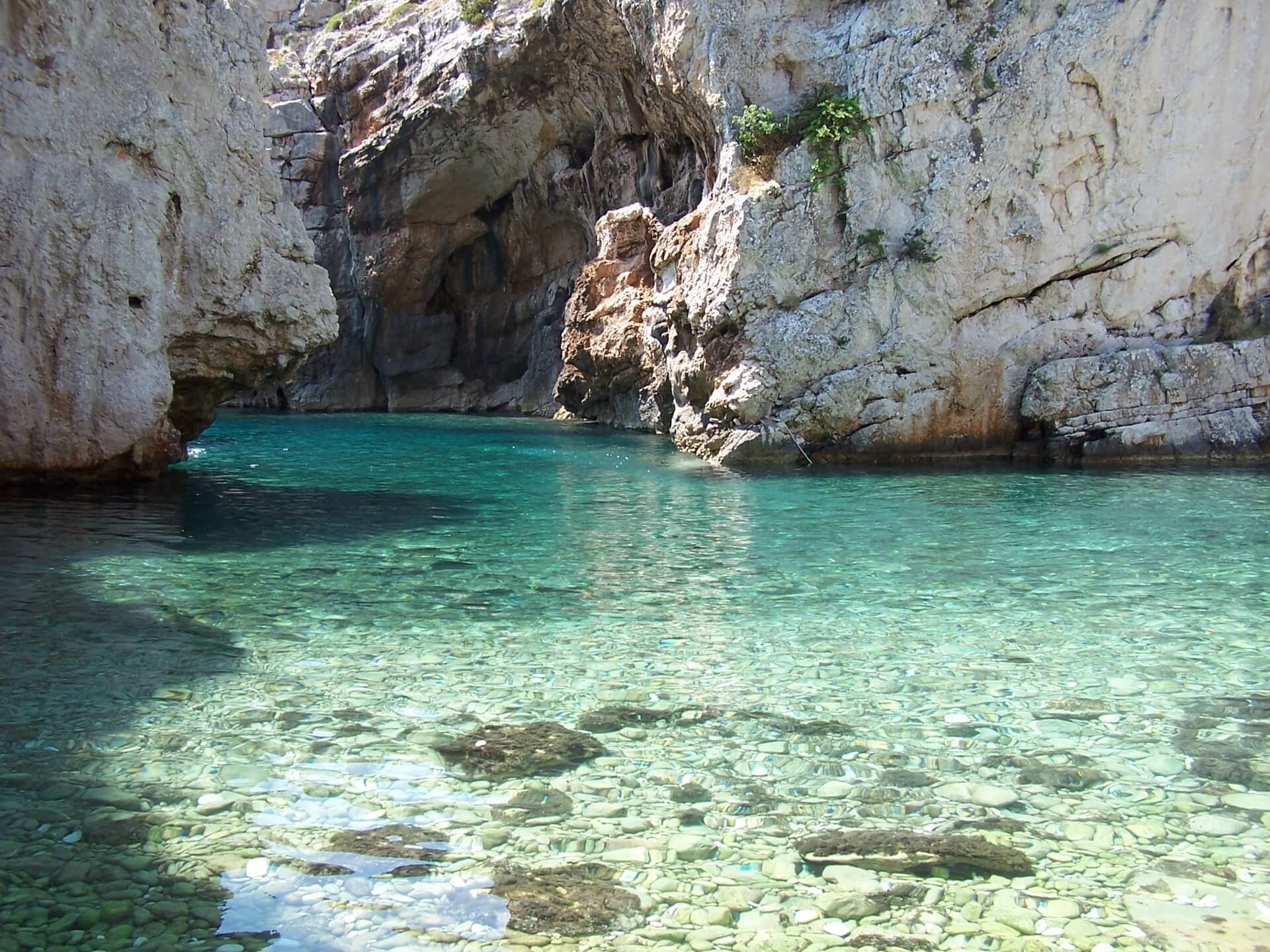
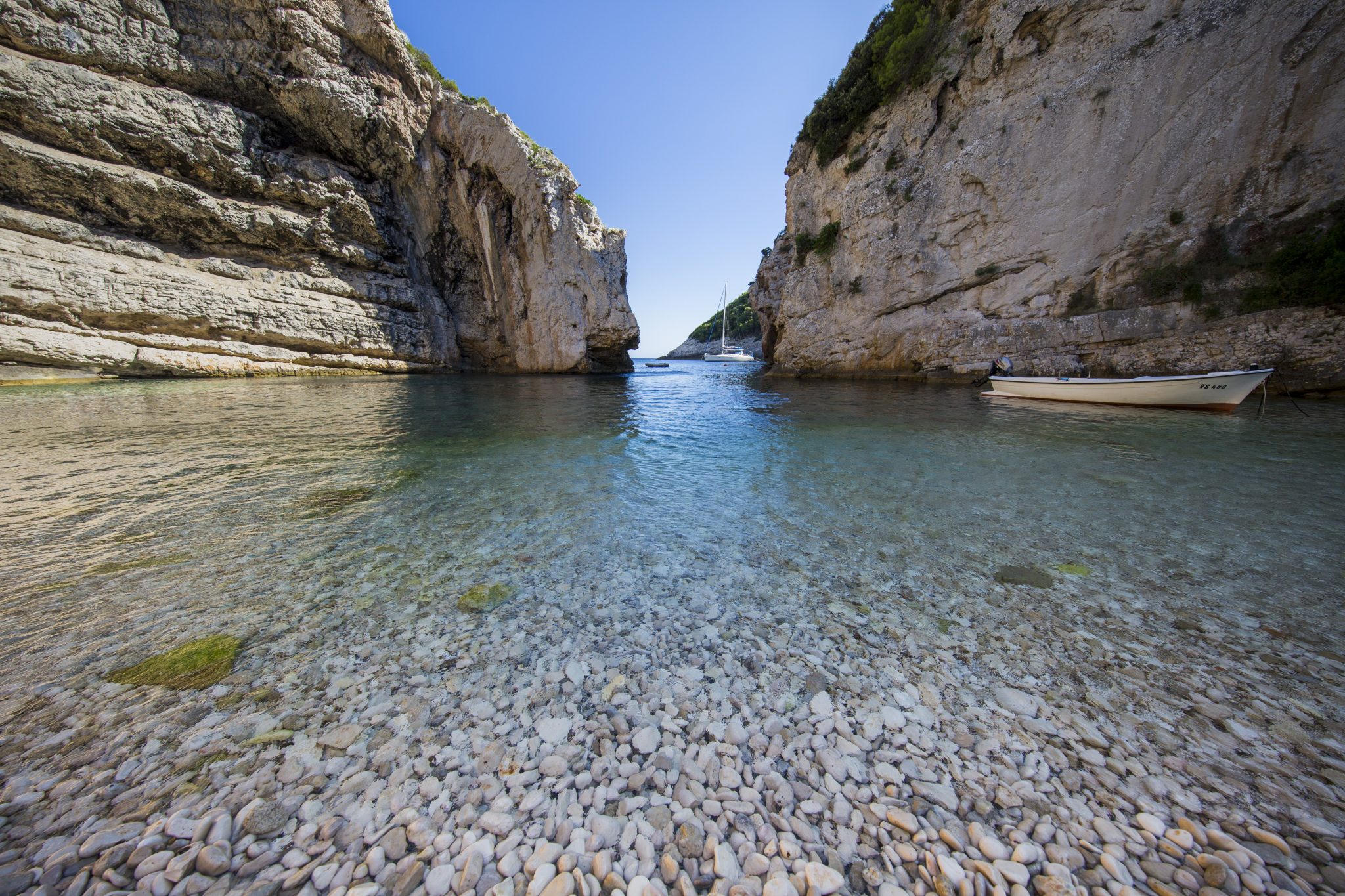
There are minimal tourist traps here, it’s remote, everything is local (always has been), the old town is still inhabited by generations of fishermen, the pebble beaches were mostly empty, and the experience is as genuine as the people.
Going underground . . .
Driving the winding roads up to the highest point on the island, we searched for an entrance to the underground tunnel system we saw from the boat.
It didnt take long . . . The first structures we saw were the remains of a few buildings.
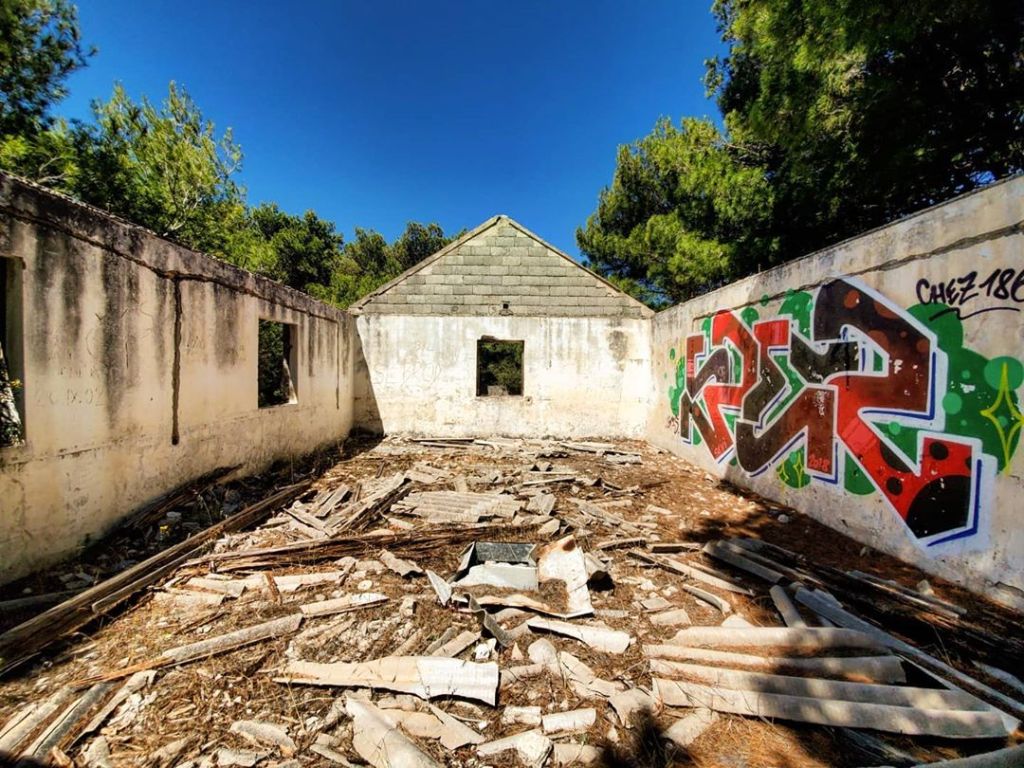

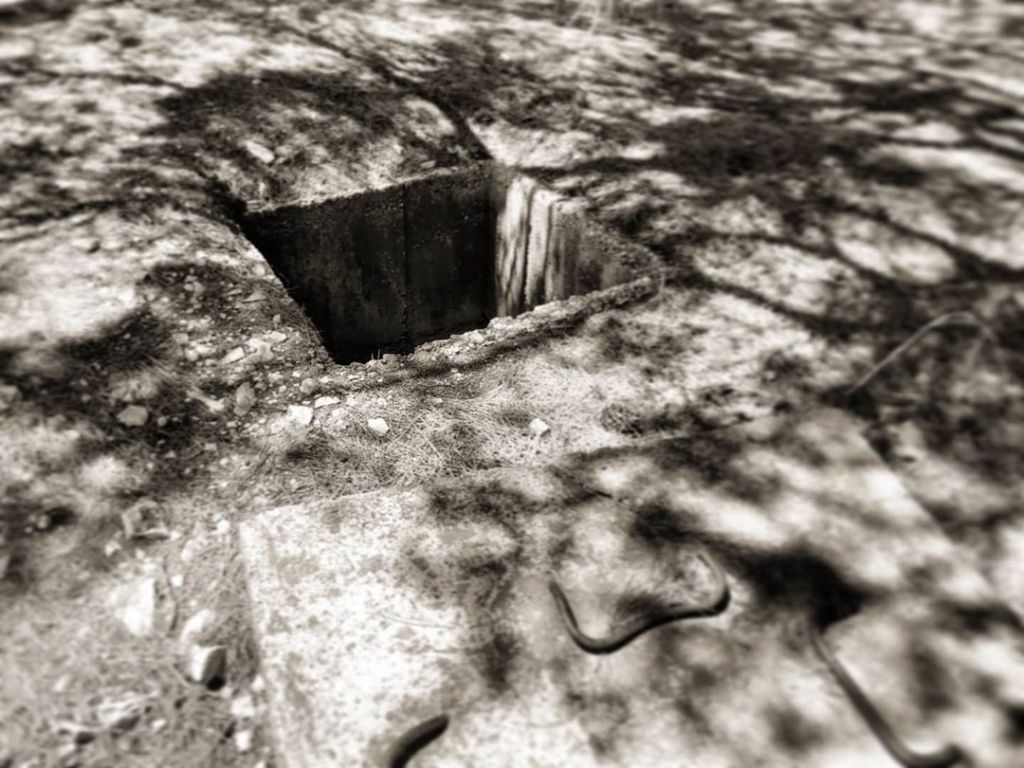
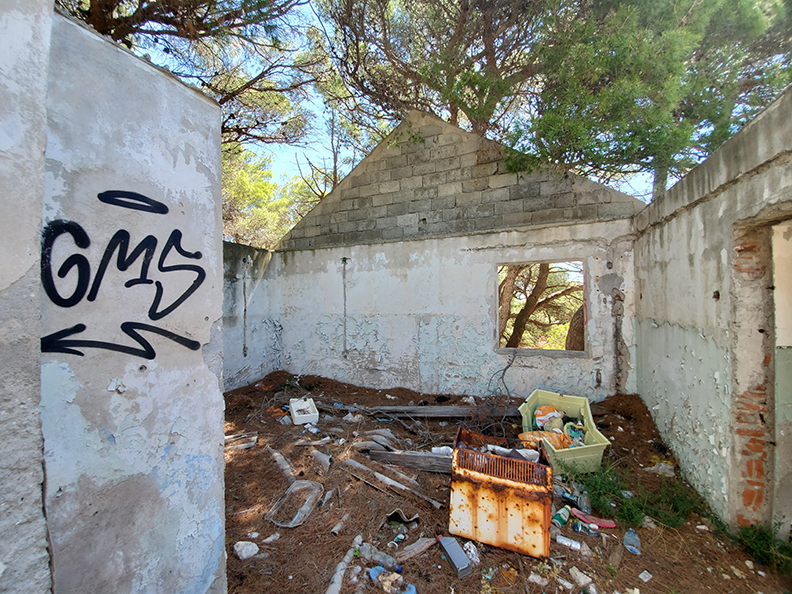
We then found the first lookout point not far away.
Pictured below : The entrance, inside and outside of a hidden look out point built into the side of a cliff.
There are many more of these scattered around the island.
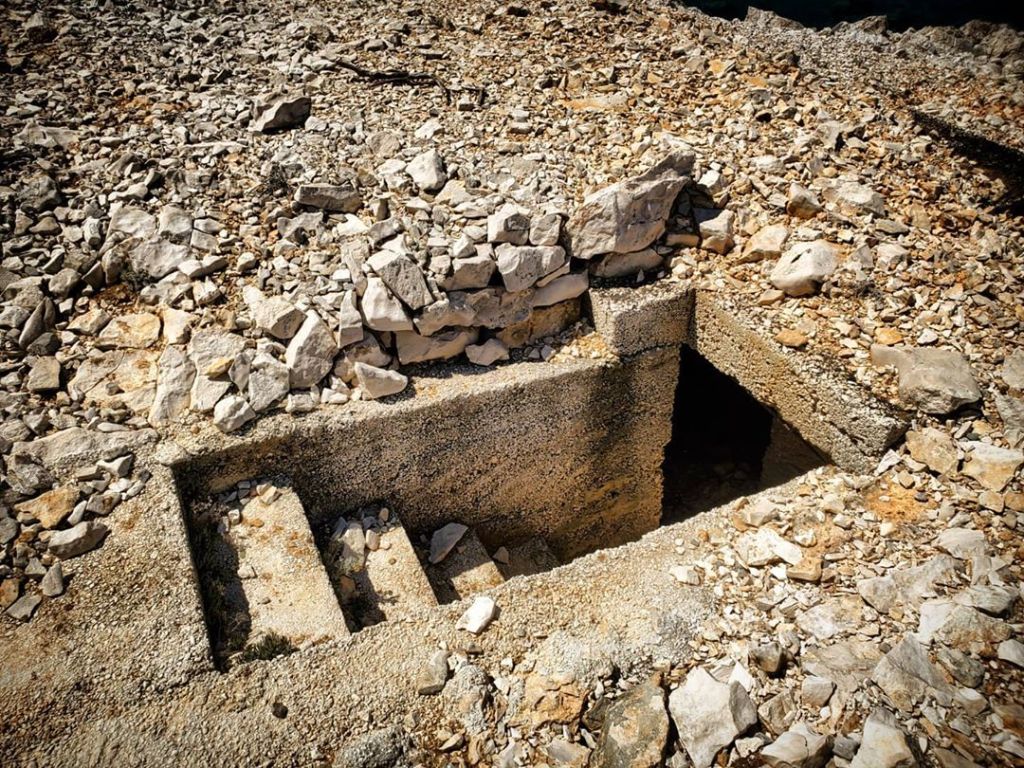


The entrances into the maze of tunnels and bunkers were close by and not hard to find.


Once inside we came across many storage rooms inside the maze of tunnels.
Many had stenciled lettering and arrows labeling what each room had held. Most were the same and labeled as storage for weapons and ammunition.


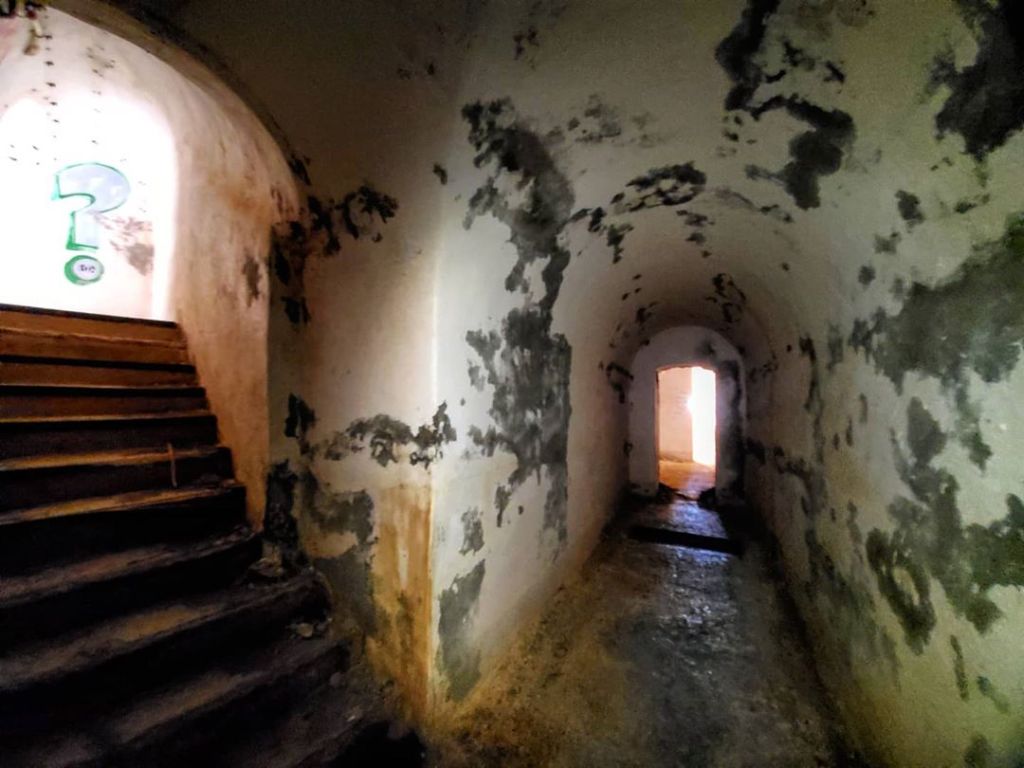
We continued to explore the maze of tunnels. Each time we followed and exit we would find ourselves at different outposts around the island.

You can see the tracks on which the heavy artillery sat in order to be easily moved into the tunnel to hide. Each outpost had a similar setup, but each had their own unique characteristics and strategic advantage.

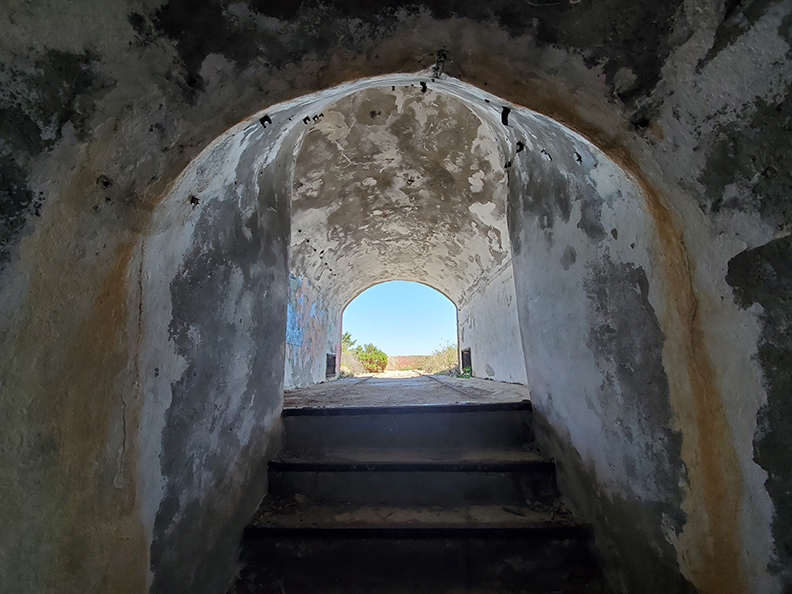
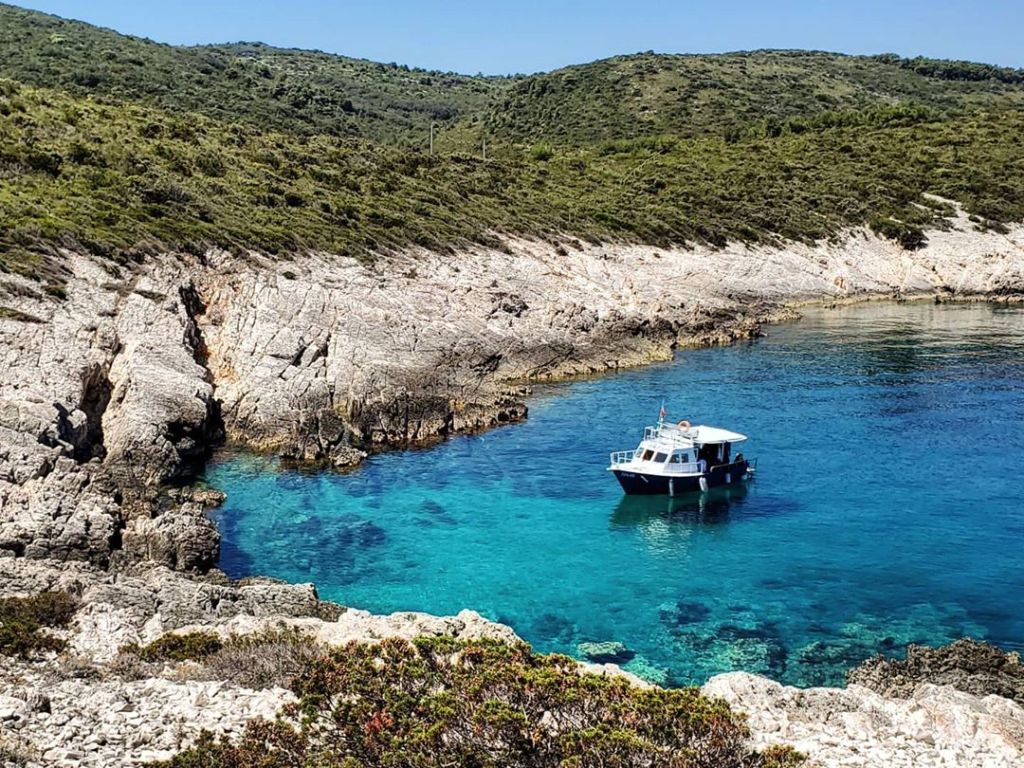
Each time we surfaced the view of the coast from high up on the cliffs was absolutely stunning. The Adriatic Sea has some of the most beautiful, crystal clear waters I have ever seen.
The water is so clear that even from so far up we could still see the sea floor.
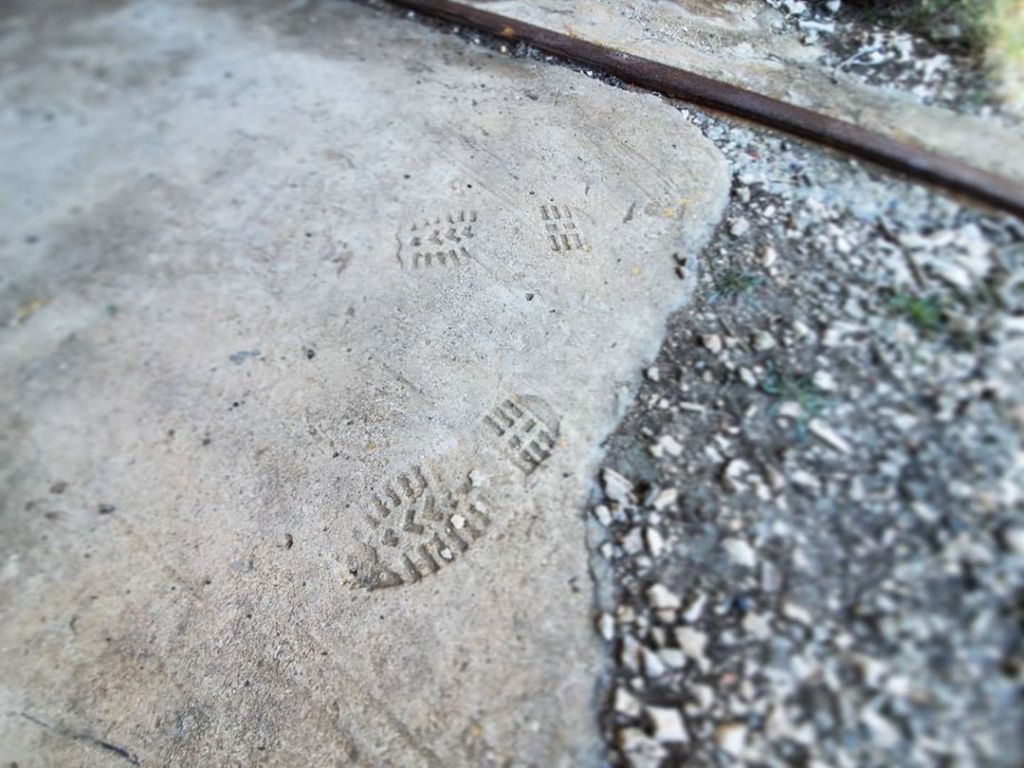
We even found a set of boot prints from when the original concrete was poured.


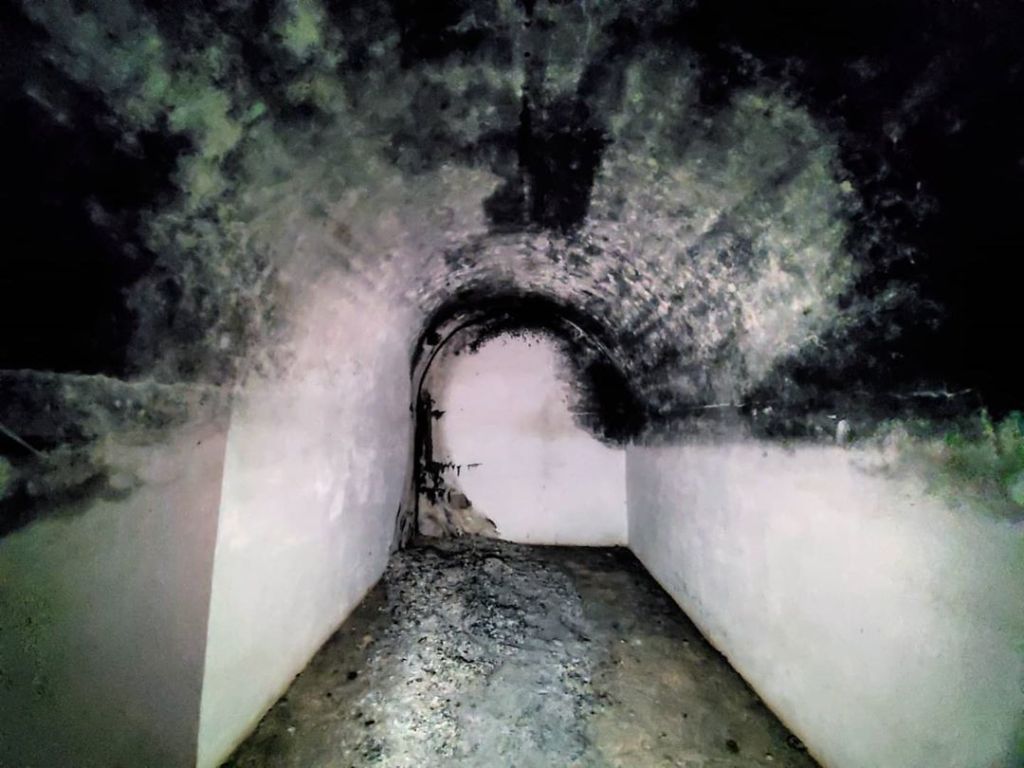
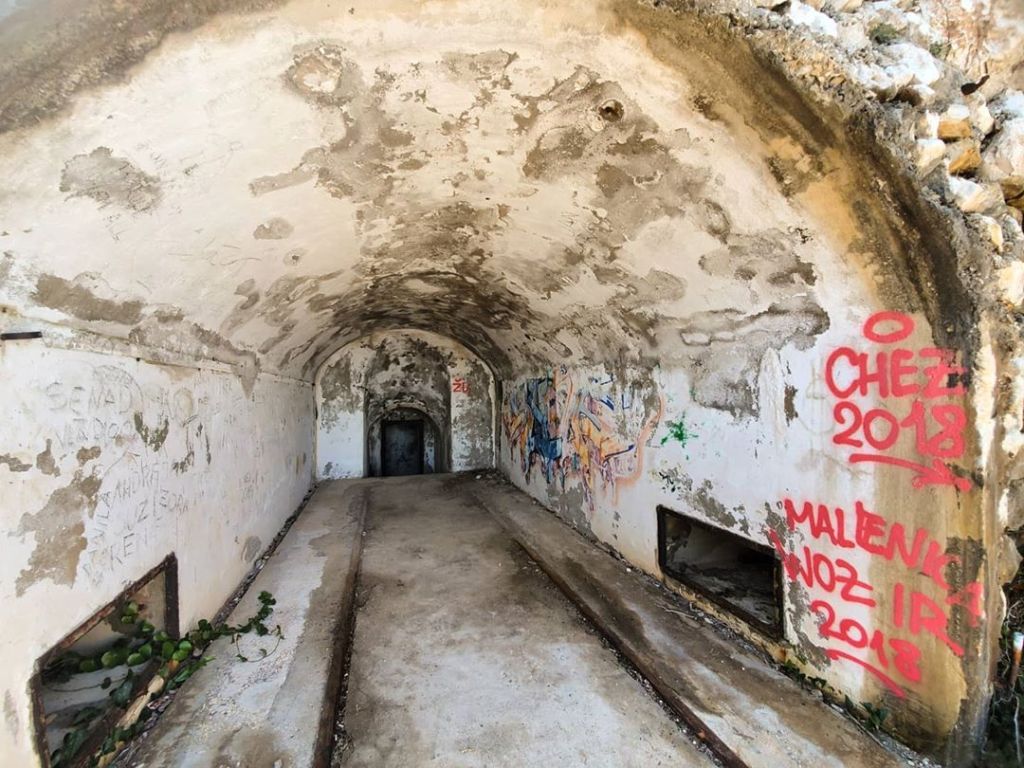
Some of the tunnel rooms were amazingly clean for their age while others were hosts to trash. One had a fire set inside that left black stains on the roof and walls. But overall this place seemed untouched and there was very little vandalism.


The more we explored we found ourselves walking down tunnel after tunnel until we saw the light of day, surfacing to another post on a different side of the island.

Each time we came to the surface the view from the cliffs was more stunning than the previous.

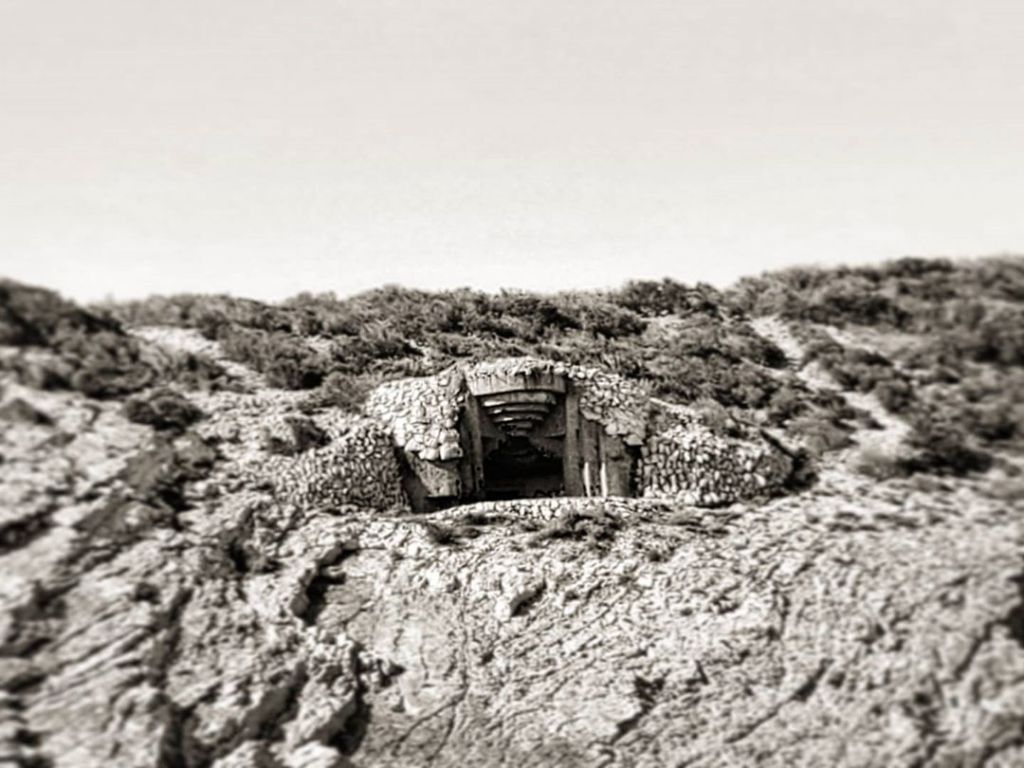
Earlier we spotted this outpost (pictured above as I captured it from our boat) that was unlike any of the others we saw from the shore and it struck our curiosity…it was then that we decided we would adventure back to find this spot….by chance, it just happened to be the last one we found.
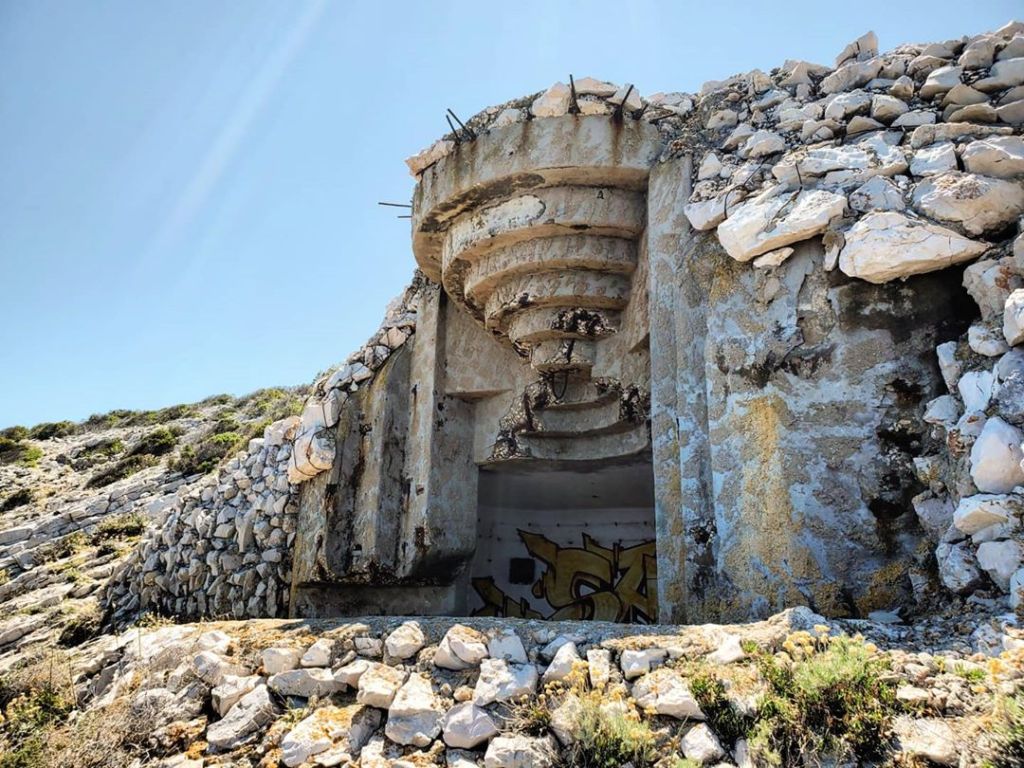


The most distinct feature is the remains of the turret emplacement, heavy artillery gun that until recently remained on the site.


The walls were camouflaged and fortified with large boulders attached to the concrete with course, thick metal rebar.

We have explored these type of WWII bunkers in Croatia before, Villa Rebar being very similar, with a tunnel and bunker system built into the side of Mt. Medvednica. Check out my post and photos here.
There is no shortage of military history that remains on the island…
In a local grocery store parking lot we saw 2 Quonset huts from WWII that remain in use, repurposed as storage facilities for the market.
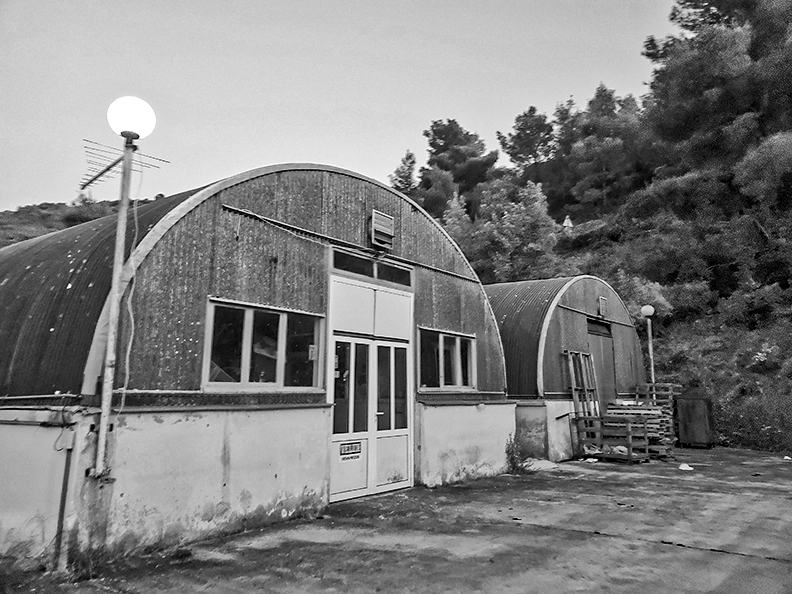
A Quonset hut is an arched building made out of steel, that the Navy used as storage, barracks, medical and isolation wards and because they were steel and anti-corrosive agents they were virtually indestructible.
Now they serve as a reminder of the military occupations that traversed the island.
In recent days, any remaining landmines on the island have been located and disposed of and in 2010 the wreckage of an American B-24 bomber was discovered off the coast of Vis.

Archaeologists and divers were able to unearth a trove of artifacts that have gone undetected since the aircraft (named the Tulsamerican) crashed into the Adriatic in 1944.

In the month of December the aircraft was badly damaged during a fight with the German airforce over occupied Poland. The crew tried to make an emergency landing, but crashed off the coast of Vis.
Seven airmen were saved by rescuers and local fishermen, but three members of the Tulsamerican’s crew did not survive.

Among the more compelling finds were military equipment, clothing items that included a life vest and a flight boot, a wedding ring, but most importantly the possible remains (bones) of those three soldiers who died when the plane went down back in 1944.
Although this was a new discovery for the US, it is rumored that locals had known of it’s location for quite sometime. The site was only recently confirmed when a piece of aluminium from the plane washed ashore.
There is a great PBS documentary on the recovery mission.
WWII Allied Forces Cemetery, Vis
In a field between Milna Bay and Podstražje village, in the middle of a beautiful vineyard stands a monument to the cemetery of Allied soldiers which existed here between 1944 and 1948.
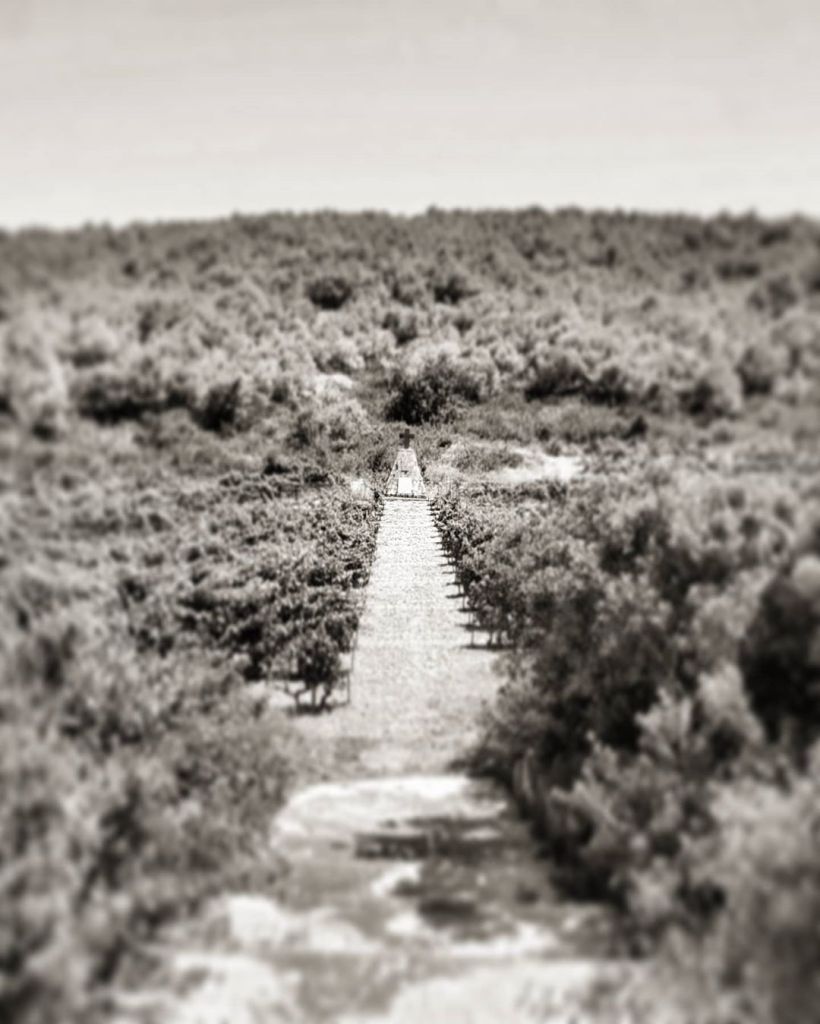
As you walk into the vineyard you’ll see the four sided stone pyramid. This monument is that is all that remains of the burial site.
In the early 1940s this was a site in which 22 US and 40 British soldiers were buried. After the war, their remains were exhumed and transported to a military cemetery in Belgrade, Serbia.
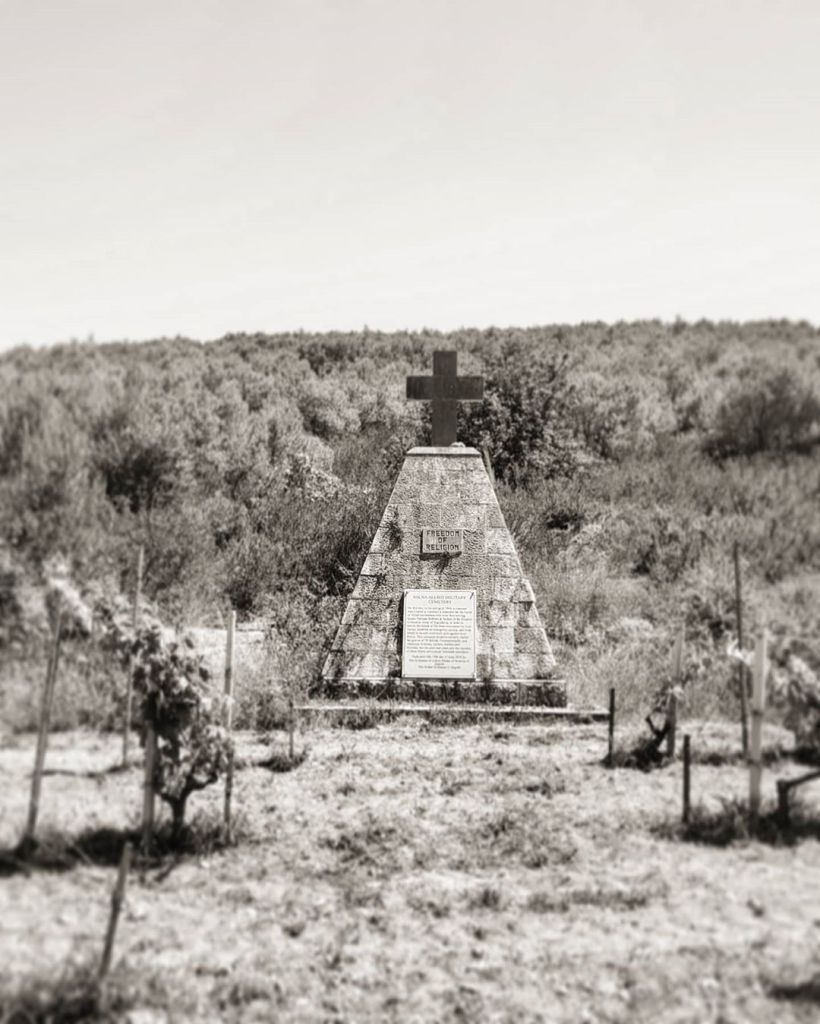
Each of the four sides of the pyramid is inscribed with one of the “Four Freedoms” proclaimed by U.S. President Franklin D. Roosevelt in the State of the Union speech of January 6th, 1941: Freedom of Speech, Freedom of Worship, Freedom from Want, and Freedom from Fear


Interred in this cemetery were American and British soldiers killed during operations spear-headed from Vis, where the Allies joined the Yugoslav Partisans to defend against the Nazi forces in Europe.
The defense of Vis relied on Allied forces in southern Italy, and large numbers of Allied soldiers were stationed on the island in 1944 alongside Tito and his fighters.
“The Partisans did not wait for Allied assistance, but started the battle on their own. For some time they were completely alone, while engaging more enemy divisions than the Allied forces in Italy.
Dennis Johnston, a BBC war reporter who arrived in March 1944 to document Hitler’s anticipated invasion of Vis.
At times it seemed that they had taken on an impossible and hopeless task. But they persisted, and endured, and now they have friends on their side. And aid from the Allied forces which grows with each passing day.”
 emily & entropy