
The Republic of Croatia (Hrvatska)
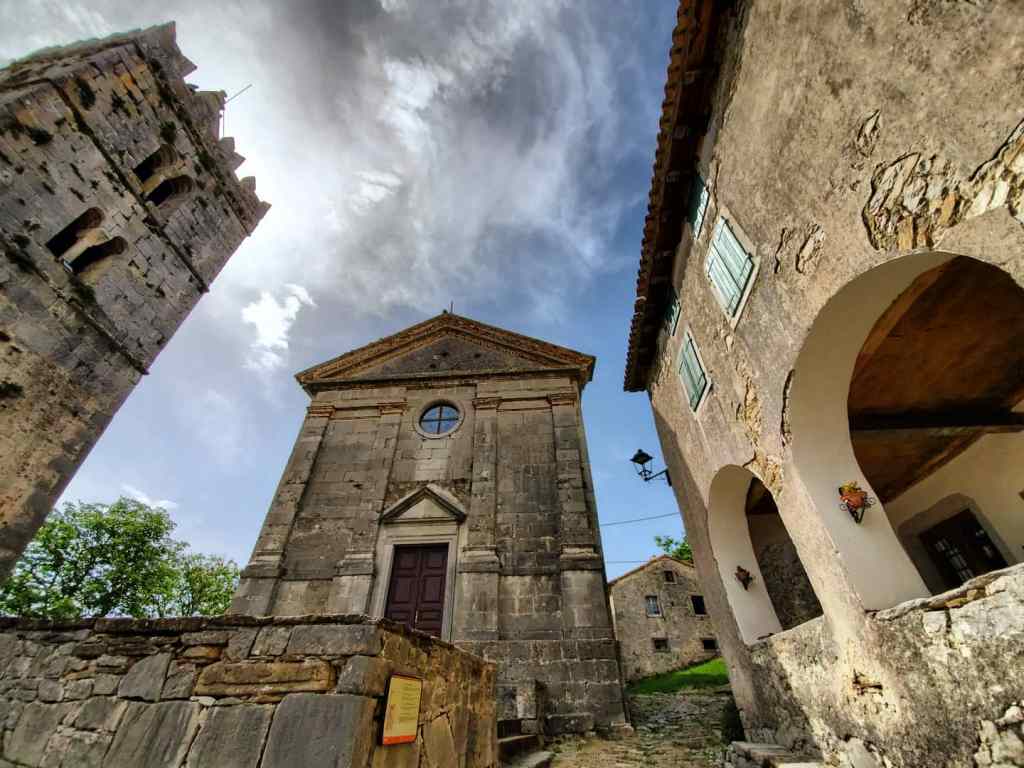
Located in central Istria county (northwest Croatia) lies Hum (pronounced Hume) the smallest village in the world with a population of 17.
The town’s history starts in the early medieval age, it was first mentioned in documents dating back to the 12th century under the Italian name of Cholm. According to a 1921 census, 100% of the population still spoke Italian at that time.

The town was entirely enclosed by walls in the 11th century on the remains of an earlier fortification.
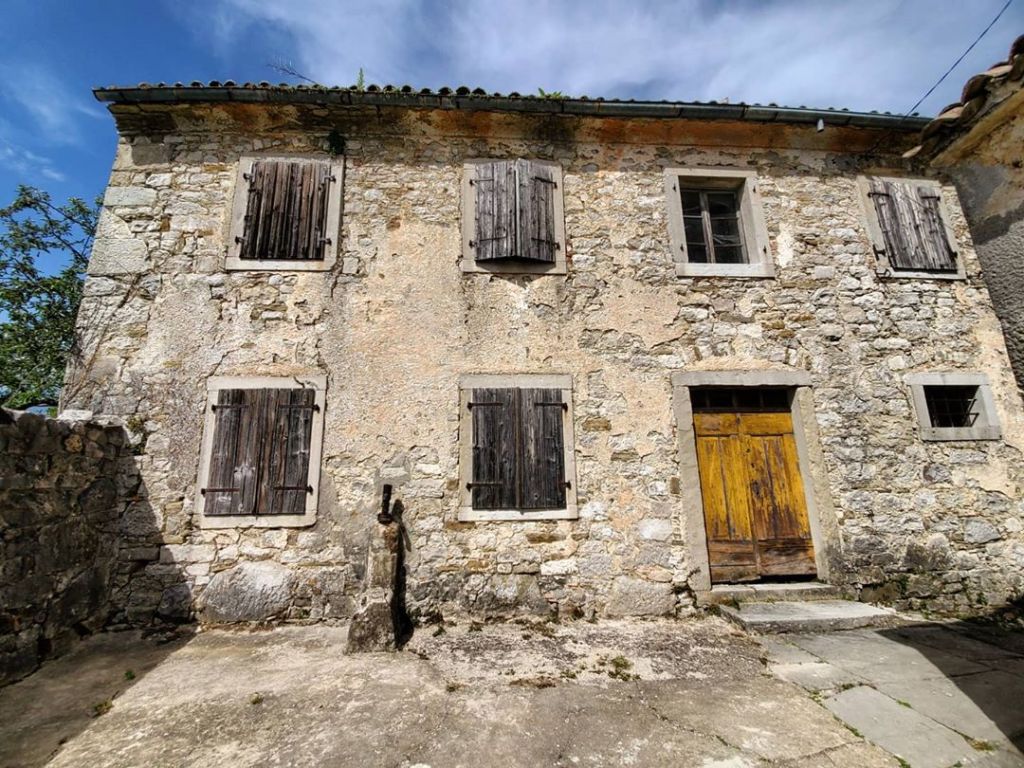
All of the houses were constructed inside the village walls and to this day, almost nothing has been built outside the walls, making Hum a rare and well-preserved example of medieval urban development built within defensive walls.

The watch and bell tower were built around 1552 as an amplification of town’s defenses. Pictured above you can see the original sundial on the side of the watch tower.

The Hum castle was built on the ruins of an ancient Roman settlement. The first houses followed the construction of the castle.


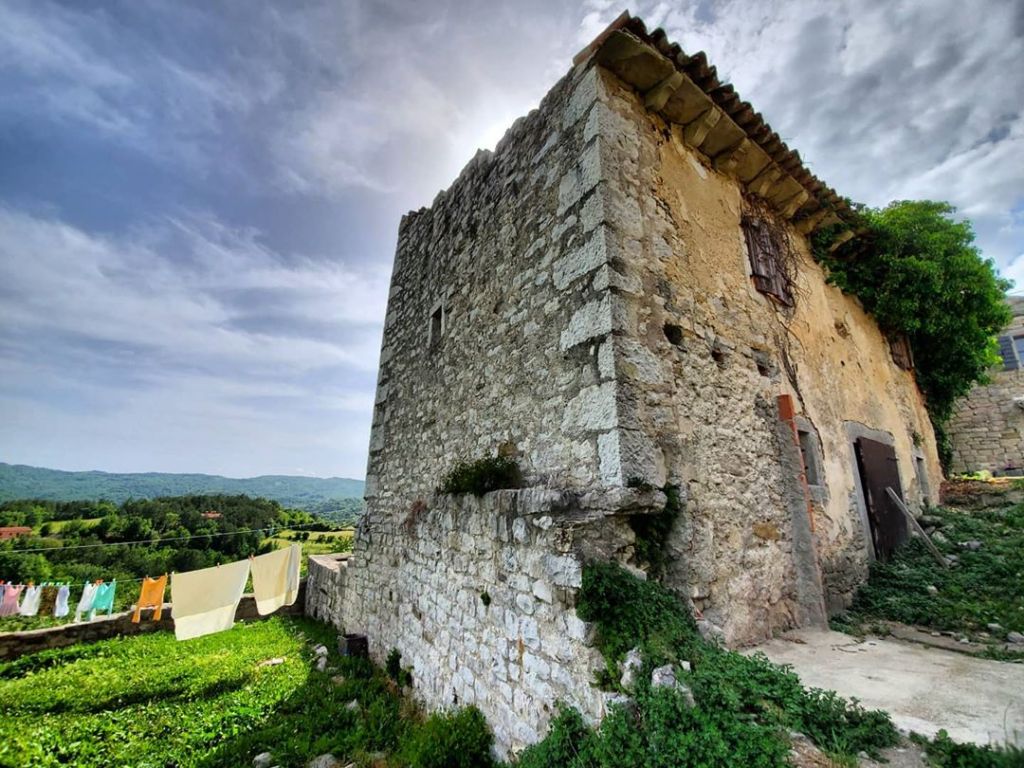


The legend of how Hum came to be says it was a joke by the local giants: after constructing the towns in the valley of the Mirna river they had a few spare stones, which they used to build the Hum fortress.

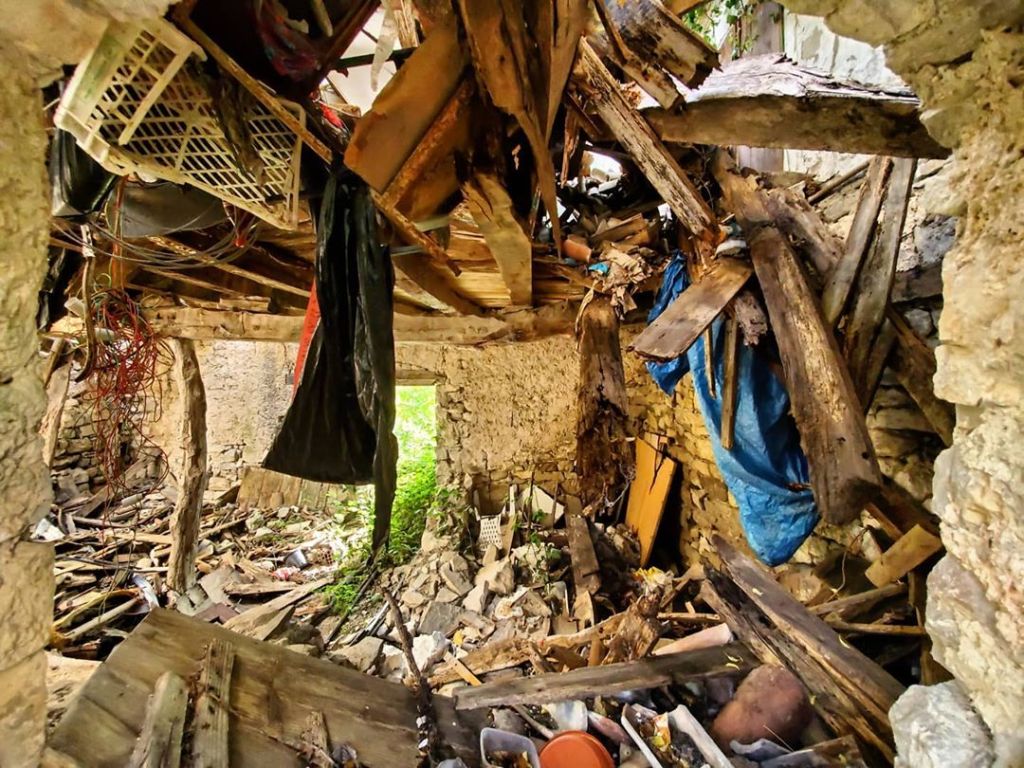
Hum is also known as the town of Biska, a traditional Istrian rakija, a brandy flavored from mistletoe. Biska in Hum is made from a 2000 year old recipe that dates from the time of the Celts who lived on the Istrian peninsula at the time. This recipe was found written in Glagolitic script, and since then has been prepared in the same original way.
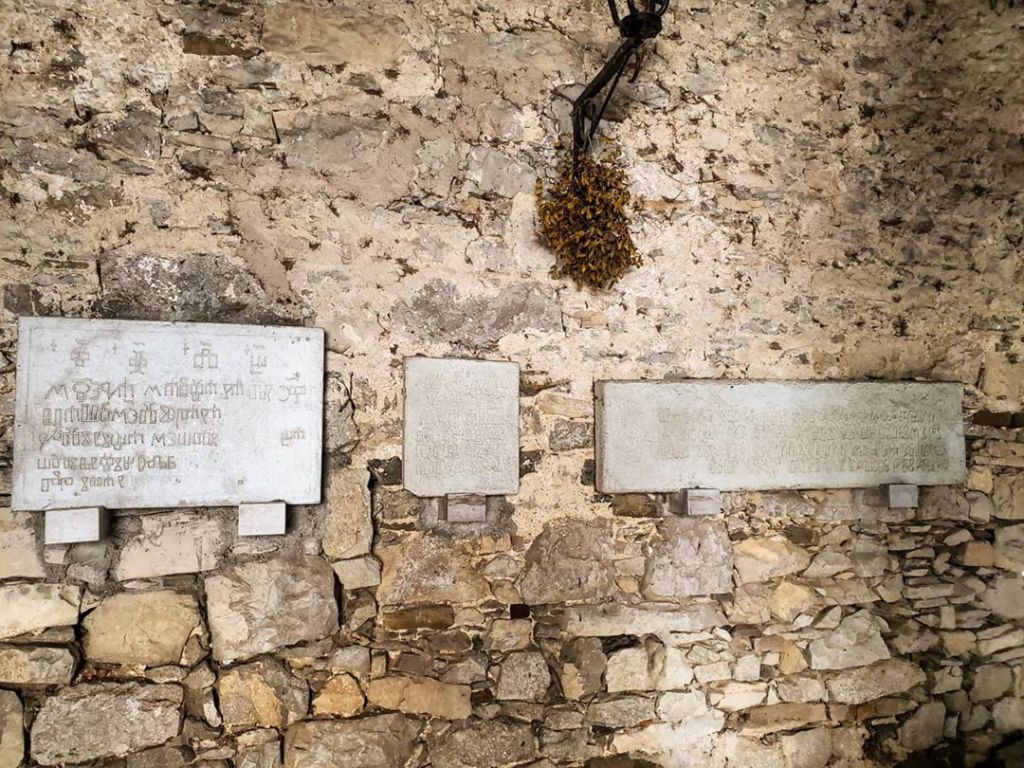

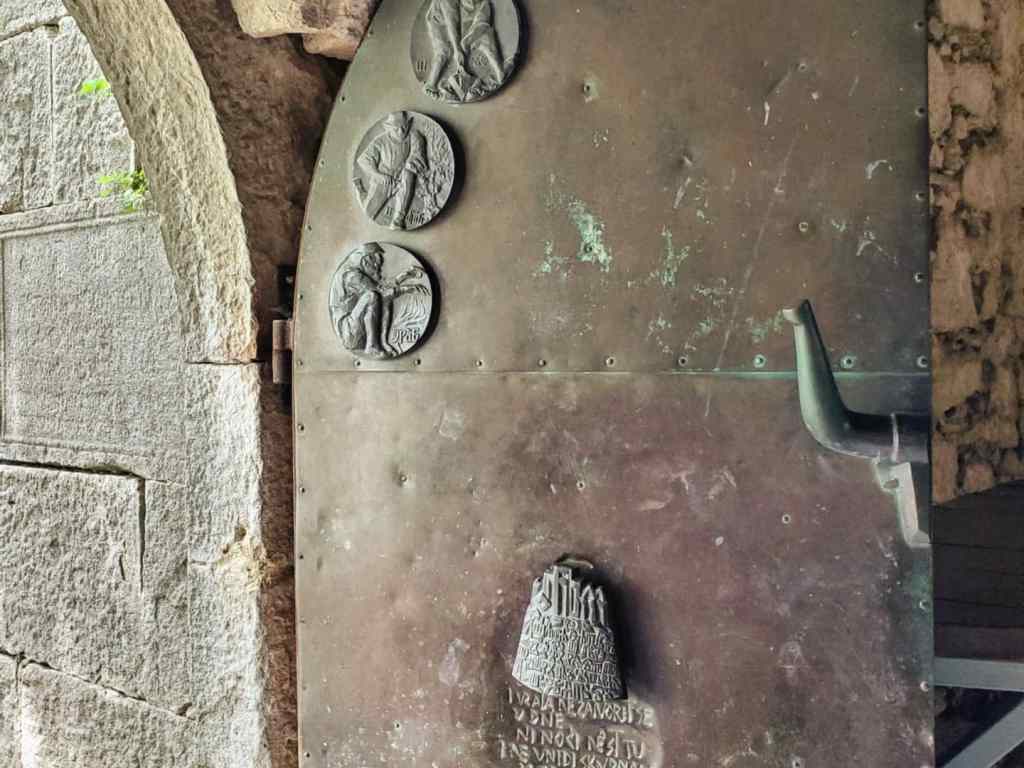
The “Hum Glagolitic wall writings” (pictured above) are preserved in the church, written in the formative period of Glagolitic (the second half of the 12th century) and are one of the oldest examples of Croatian Glagolitic literary culture in the Middle Ages.
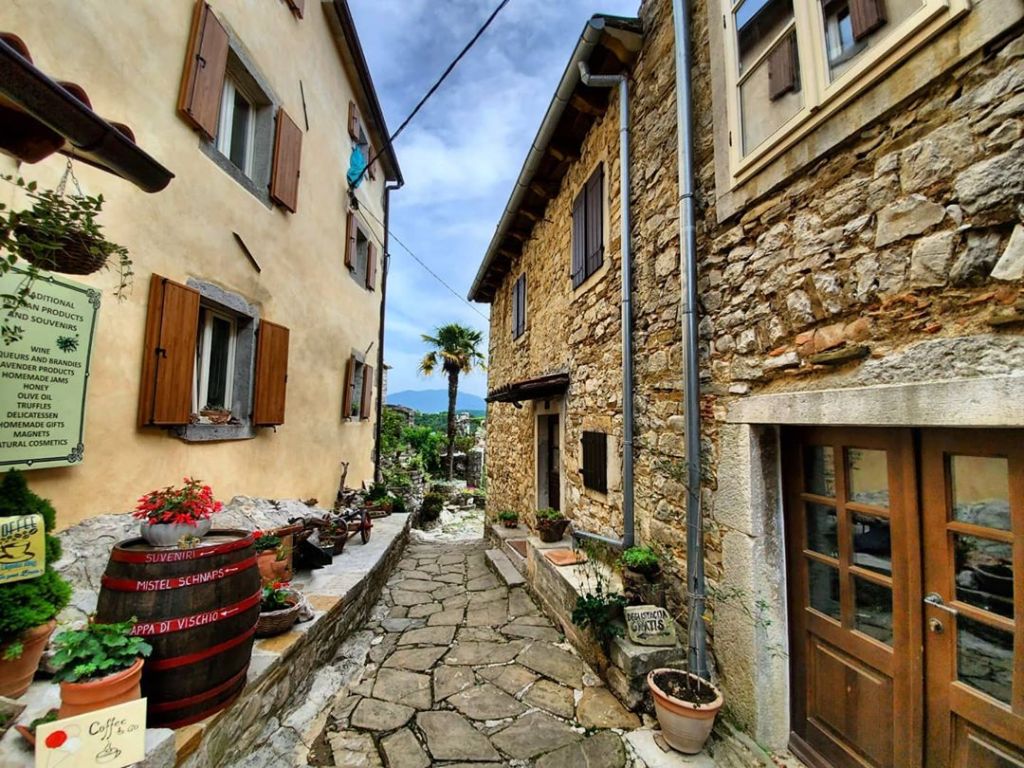
There are 20 buildings in the two stone-paved streets of Hum.


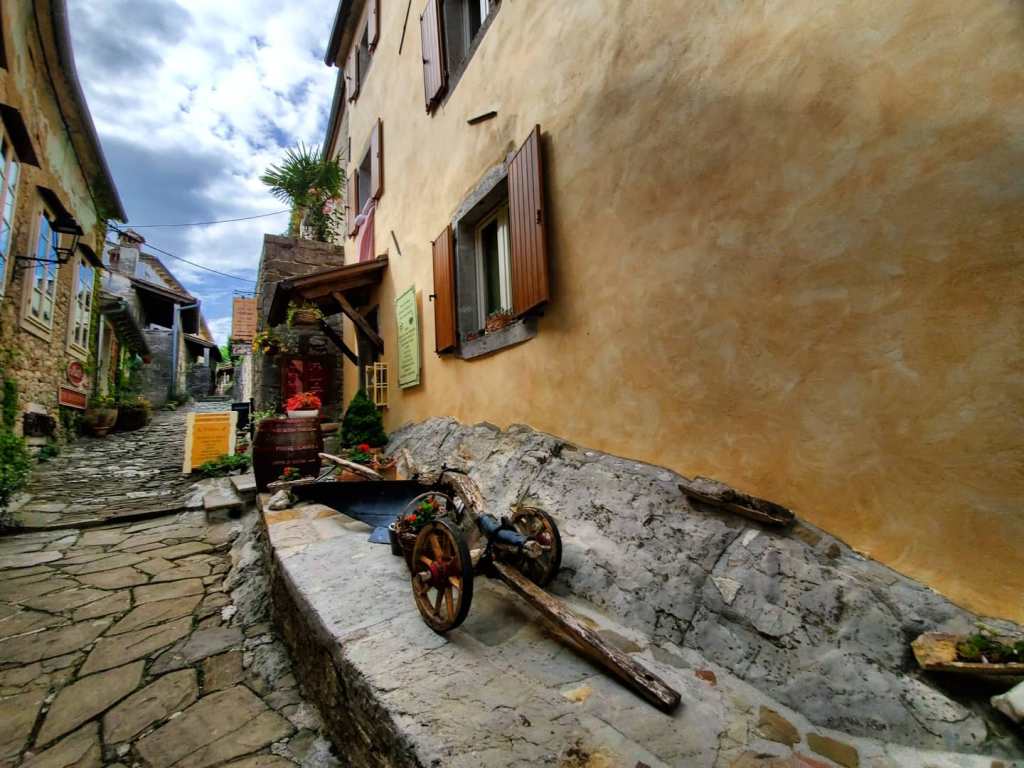


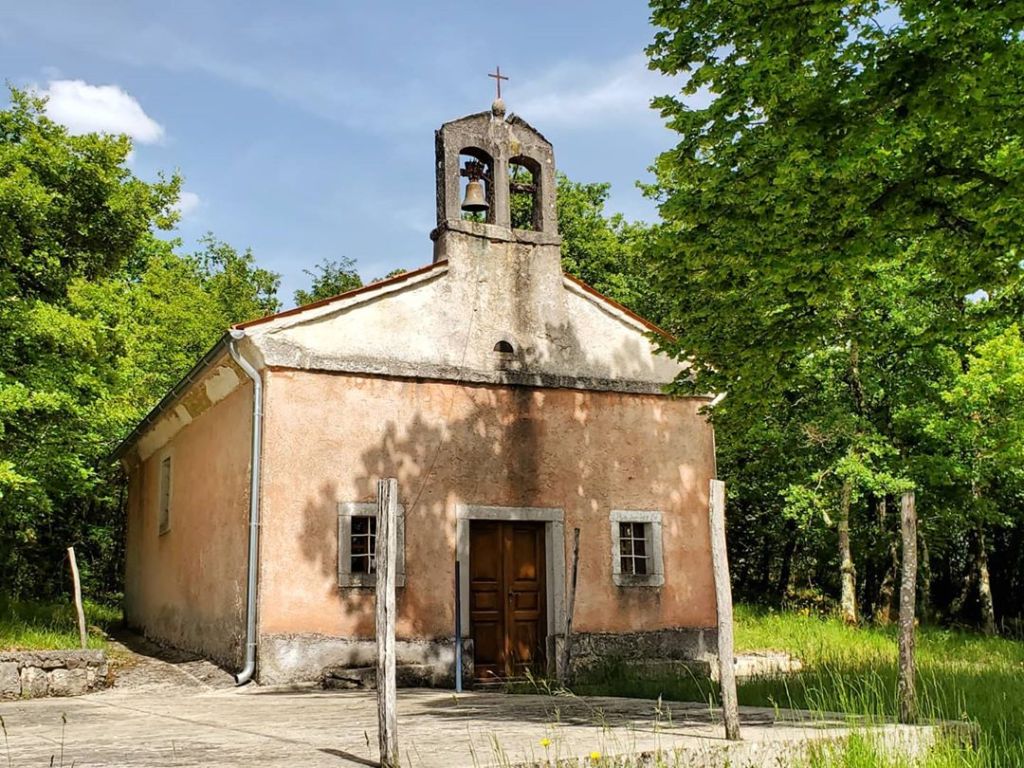
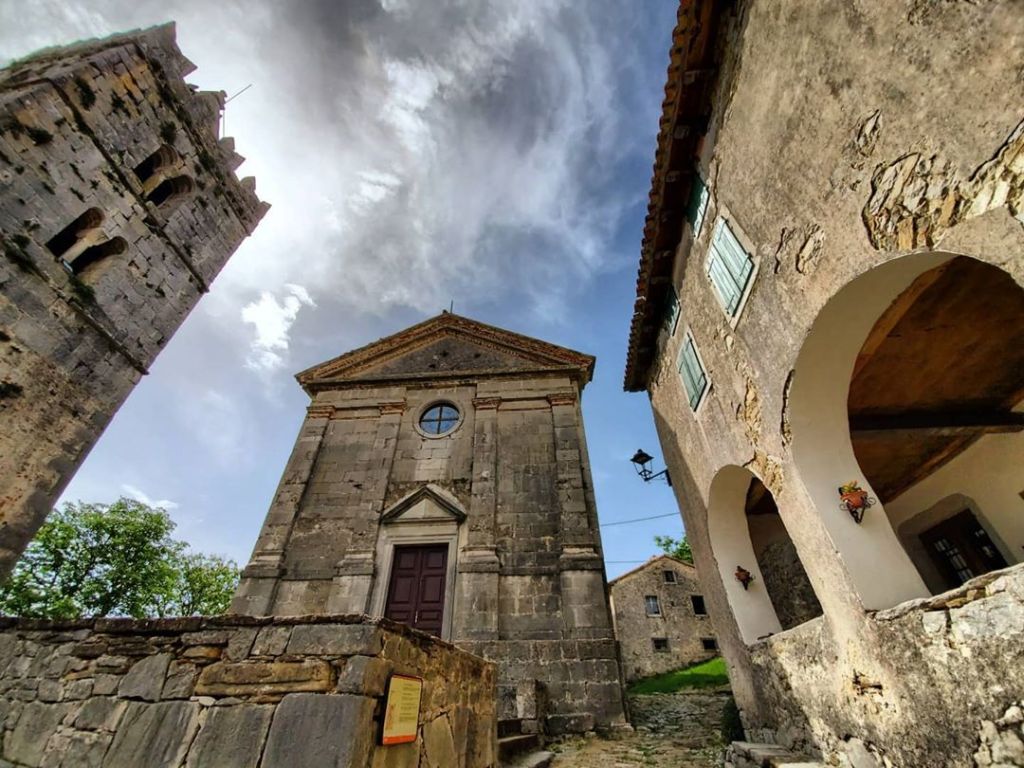

The town’s parish church of the Assumption of Mary, (pictured above) with its classical facade was built in 1802 on the site of an earlier church which was built by a local master.


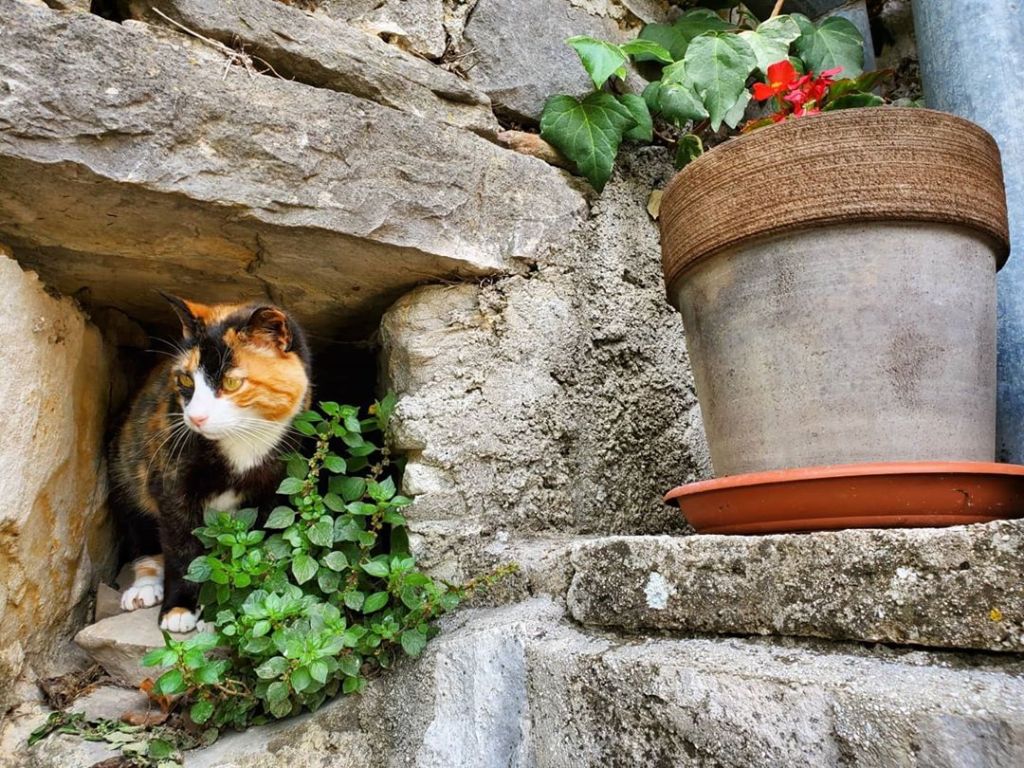


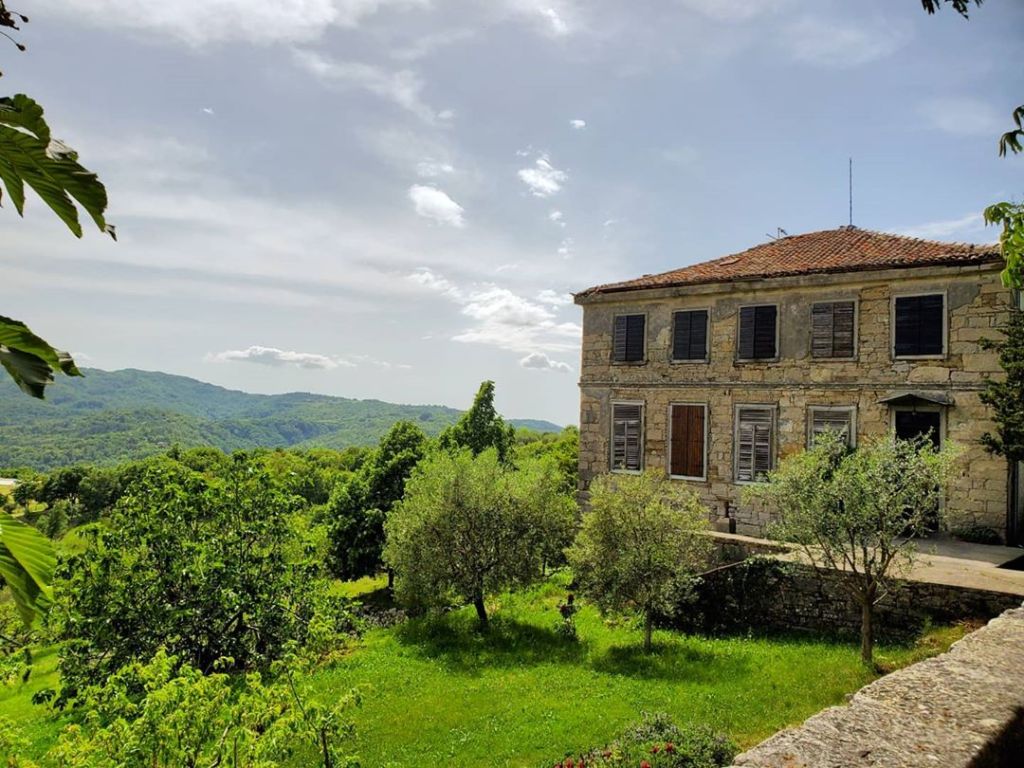
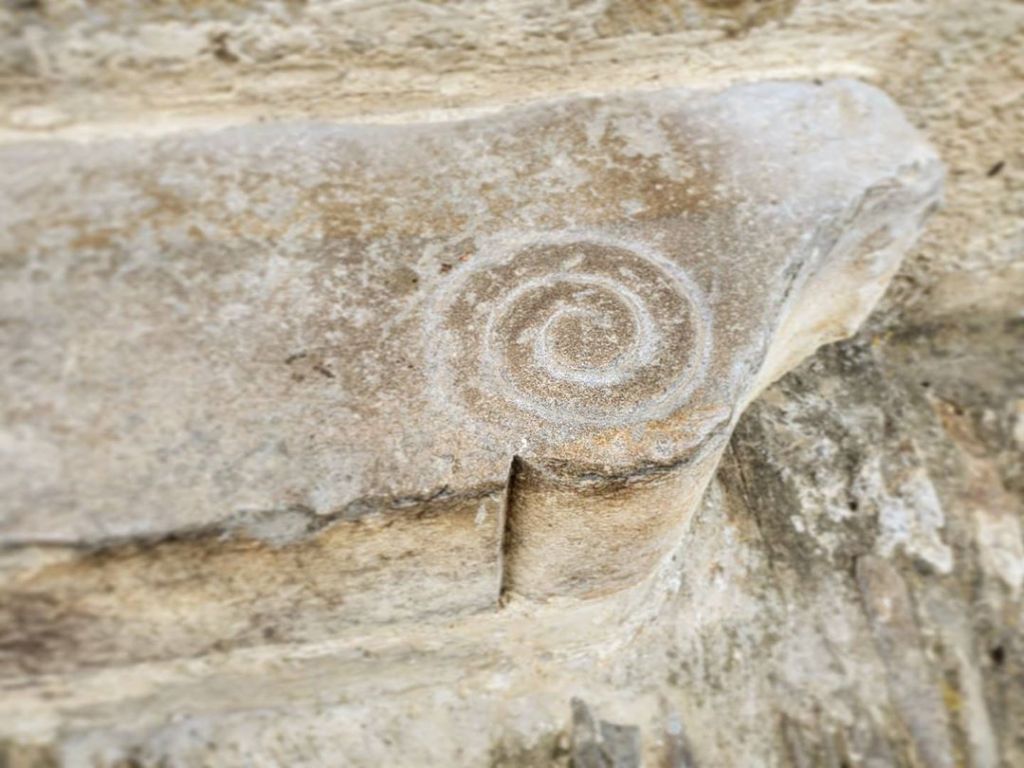
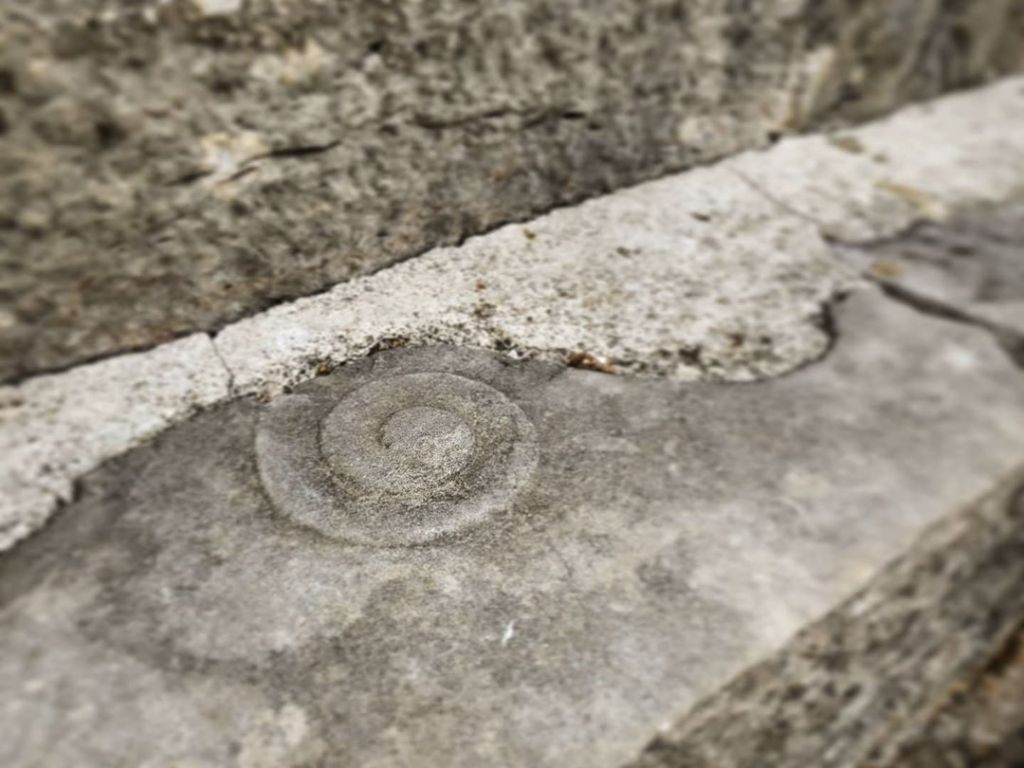
Carved into steps of a few buildings in town I found this spiral design, however I cannot find any information about it’s significance.
If spending time on the Istrian coast, I would strongly suggest a day trip to Hum. Popular destinations like Opatija, Rijeka, and Motovun are close by. The only charge to enter is 10 HRK (about $1.50 USD) for parking. Of course, the earlier you arrive the better during high tourist season.
In town you can find Souvenir Shop COLMO where you can taste homemade local Istrian delicacies like Biska, along with other flavored rakijas, truffles, cheeses, olive oil, honey and sausages.
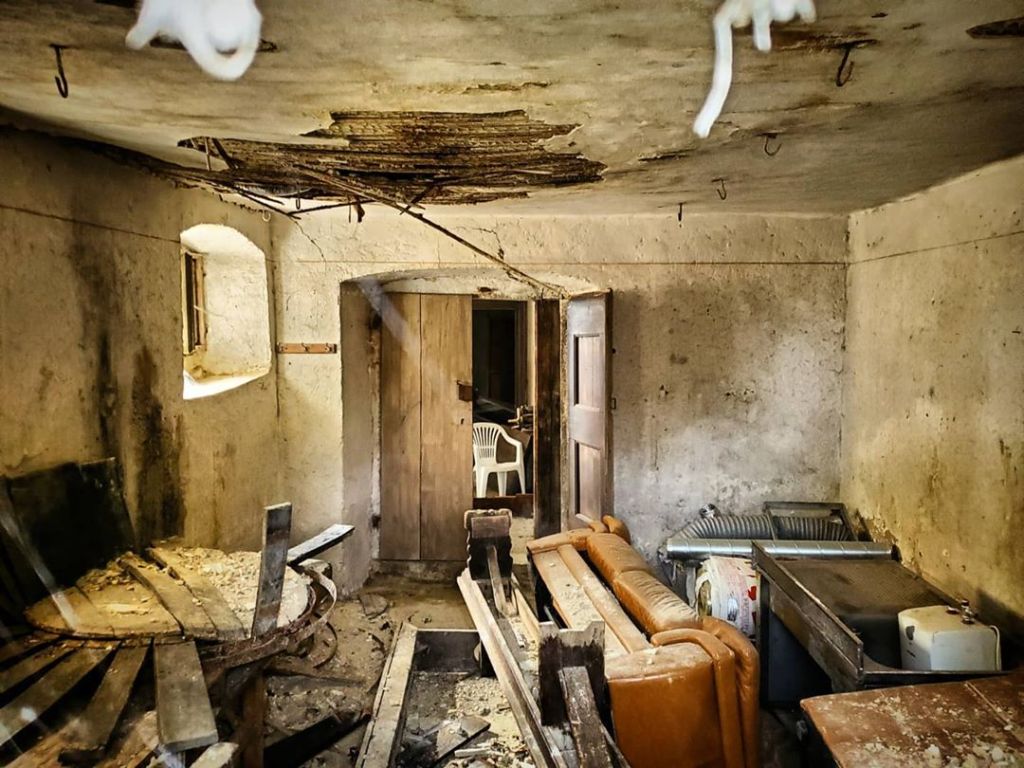
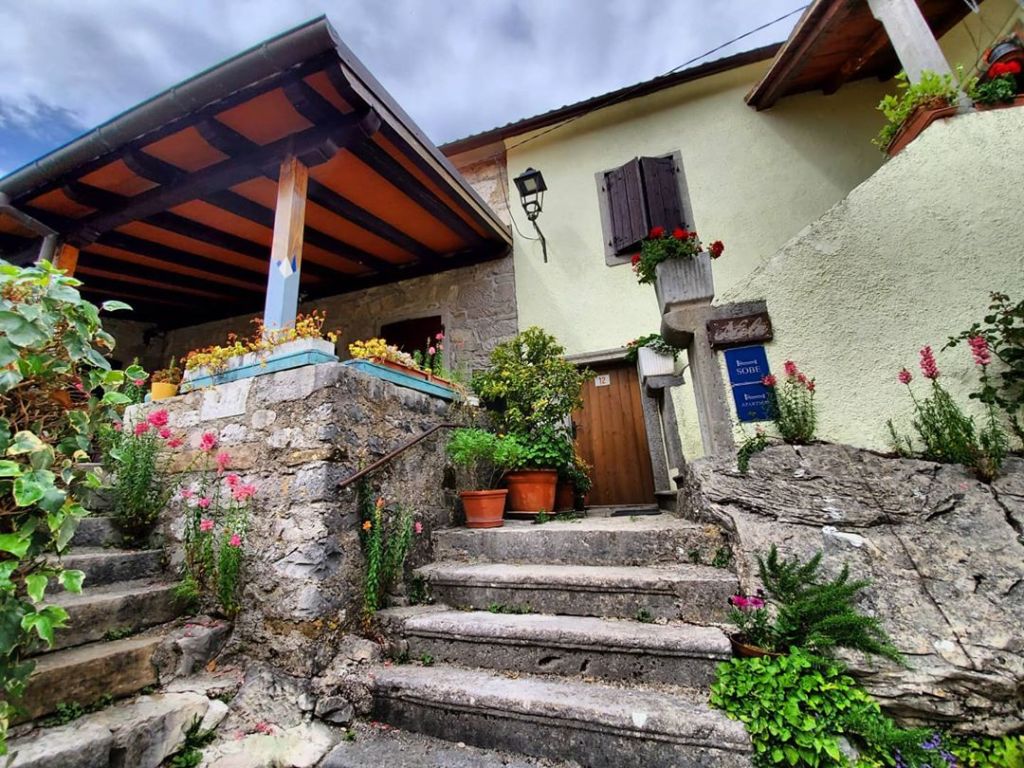
There is also a small room/apartment located within the village walls where you can stay the night.

 emily & entropy
AWESOME!!
LikeLiked by 1 person