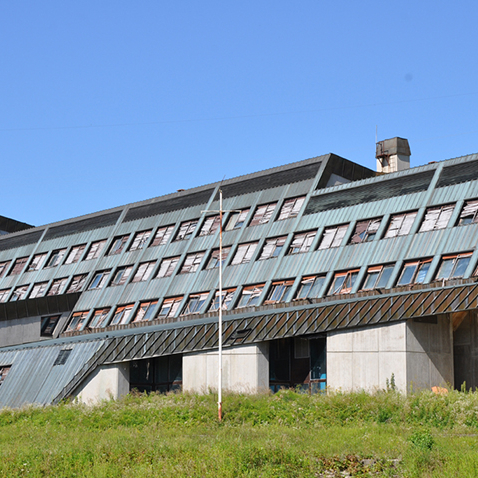
Exploring an abandoned political school
Republic of Croatia (Hrvatska)
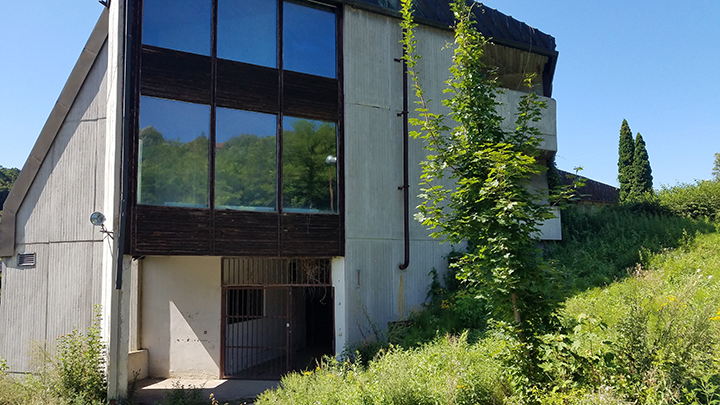
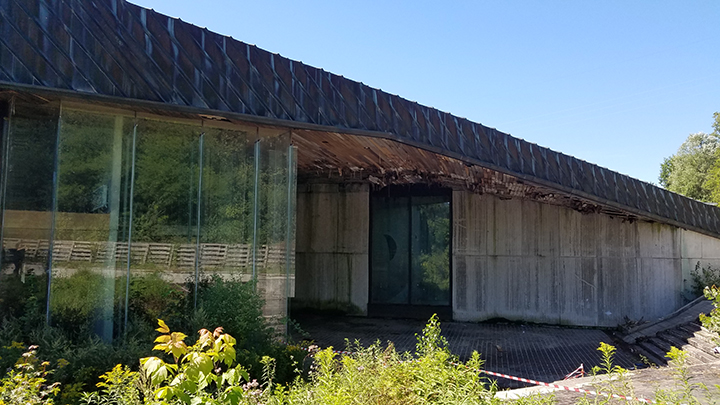
Located near the village of Kumrovec, in the Zagorje region of Croatia (on the border with Slovenia) lies a huge modernist building that once functioned as Tito’s Political School, or Politička škola Josip Broz ‘Tito’.

The school is named after Josip Broz Tito (or Tito as he is most commonly referred to) a Yugoslav communist revolutionary who hails from a small village in Kumrovec, Croatia.
During World War II, he was the leader of the Partisans who were often regarded as the most effective resistance movement in occupied Europe.

Tito served as Prime Minister (1944–1963), and President (1953–1980) of the Socialist Federal Republic of Yugoslavia.
From 1943 to his death in 1980, Tito held the rank of Marshal of Yugoslavia, serving as the supreme commander of the Yugoslav military, the Yugoslav People’s Army.

His presidency has been criticized as authoritarian and concerns about the repression of political opponents have been raised. However, Tito had been seen by some as a benevolent dictator.
He was a very popular public figure in Yugoslavia.
Viewed as a unifying symbol, his internal policies managed to keep ethnic tensions under control and maintain the peaceful coexistence of the nations of the Yugoslav federation. (Serbia, Croatia, Bosnia and Herzegovina, Macedonia, Slovenia, and Montenegro).
Ten years after his death, communism collapsed in Eastern Europe, and with the demise of the Soviet Union and its influence, Yugoslavia descended into civil war.
The same ethnic turmoil in the region has lasted through to a civil war in the 1990s, based on long-standing ethnic tensions within the former Yugoslavia.
The Yugoslav Wars were a series of separate but related ethnic conflicts, wars of independence and insurgencies fought in the former Yugoslavia from 1991 to 2001, which led to the breakup of the Yugoslav state.
It has led to mass killing among ethnic Serbs, Croats, Bosnian Muslims, and Kosovo Albanians as Yugoslavia broke apart.
Broadly speaking, Croatia, Slovenia, and Bosnia and Herzegovina wanted independence from a Greater Serbia, with the resulting conflict unleashing historical tensions.

For more (rather disturbing) photos and background of the civil war in the Balkans visit my post on the subject.
This turmoil is still very much evident in the region today. The legacy of WWII and the Yugoslav Civil Wars of the 1990s continues on…
From the simple interactions of everyday life, from hate graffiti you’ll see on the streets, to a complex relationship between political leadership in the region, the tensions today are still very close to the surface.

Pictured above : 2015 Renewed aggression between Serbia and Croatia, the Croatian flag is burned in front of the Serbian embassy.
The evidence is no more clear than in football rivalries, where players and fans are constantly caught participating in fights and hate crimes. Serbia’s Red Star team and Croatian team Dinamo are bitter rivals. These are the games where rioting and violence are all too normal… it can be expected.
These politically charged fascists use sports as a platform and as a recruitment tool.

Pictured above : On June 12, 2020 Croatian fans were pictured with a banner reading “We’ll f*** Serbian women and children” decorated with the Ustaša symbol. The Ustaša is a fascist group aligned with Nazi ideology dating to WWII. They instituted racial laws that specifically targeted Serbs, Jews, Roma and political dissidents.
This kind of nationalist hate doesn’t exist in a vacuum, it is a reflection of Balkan society today.
Read more about the Ustaša fascist regime in Croatia and their use of concentration camps (that still stand today) in a number of my other posts on the subject…here, here and here.
Back the subject at hand…The abandoned political school.
A little history behind the Political School…
The abandoned Political School of Josip Broz Tito was one of the most prestigious schools of political learning in the former Yugoslavia.
The school was built in 1981 as a place of education for the personnel of the League of Communists of Yugoslavia.
It was used until 1990, when the need for this kind of school ceased. From 1990-2003 the building was used as a home for refugees of the Balkan wars.
The school today…
Enough background information, here is the school as it remains today. (Photos are from the summer of 2019)


The smell of mildew and mold is the first thing that hits your senses as you enter. Then the excitement sets in when you realize how big the place really is and how much of it’s former glory has remained behind to explore.
Here…I am in my element.

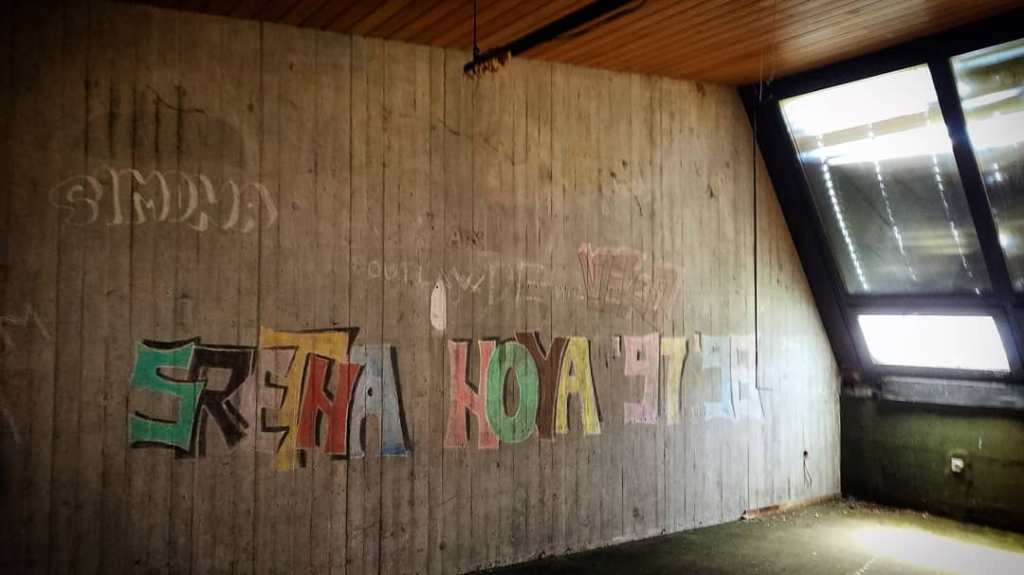
What was surprising to me was the fairly small amount of graffiti and typical damage usually caused by local vandals (there was some… but very little in comparison to most forgotten spaces).
Instead, the building is being reclaimed by nature…slowly consumed by time…and it’s amazing.
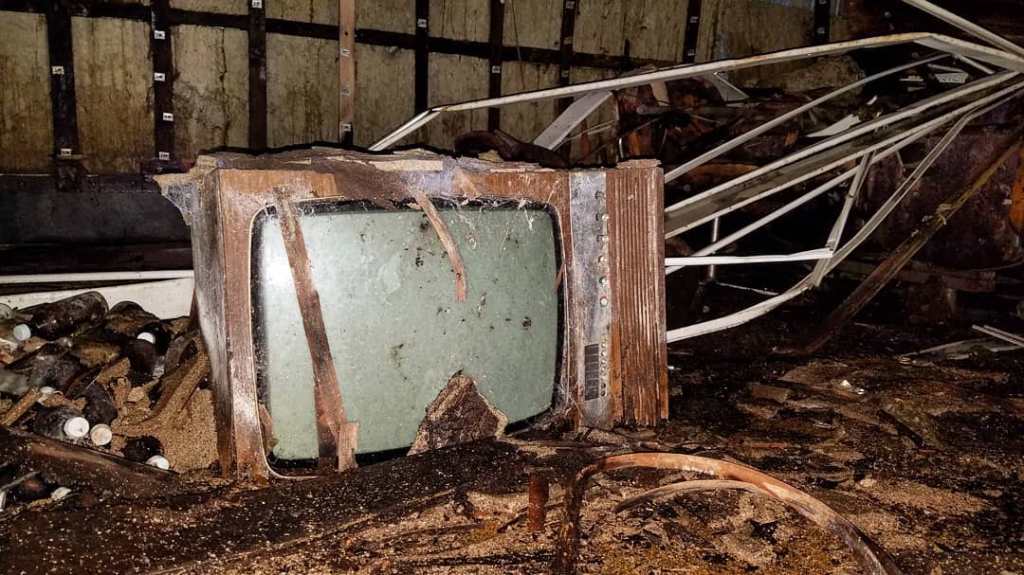
Most of its contents simply remain where they were left behind, undisturbed and frozen in time.
The main hall and ground floor…
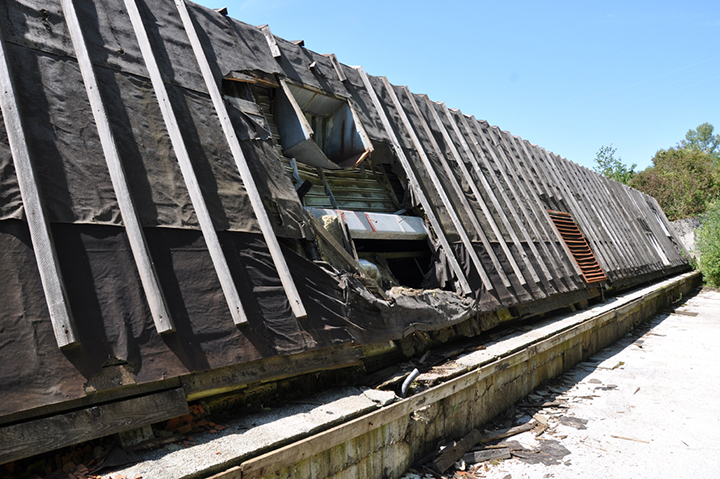
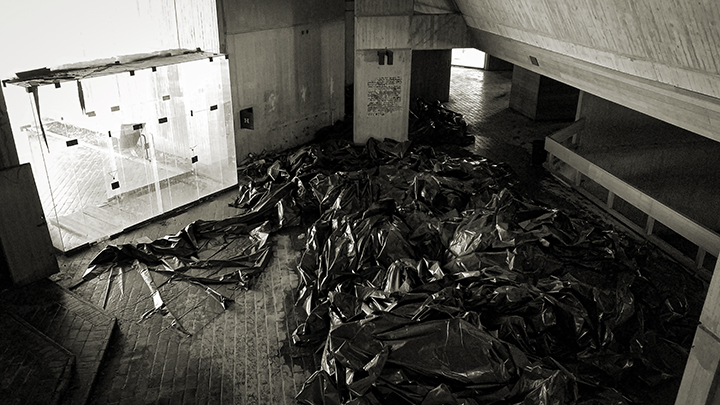
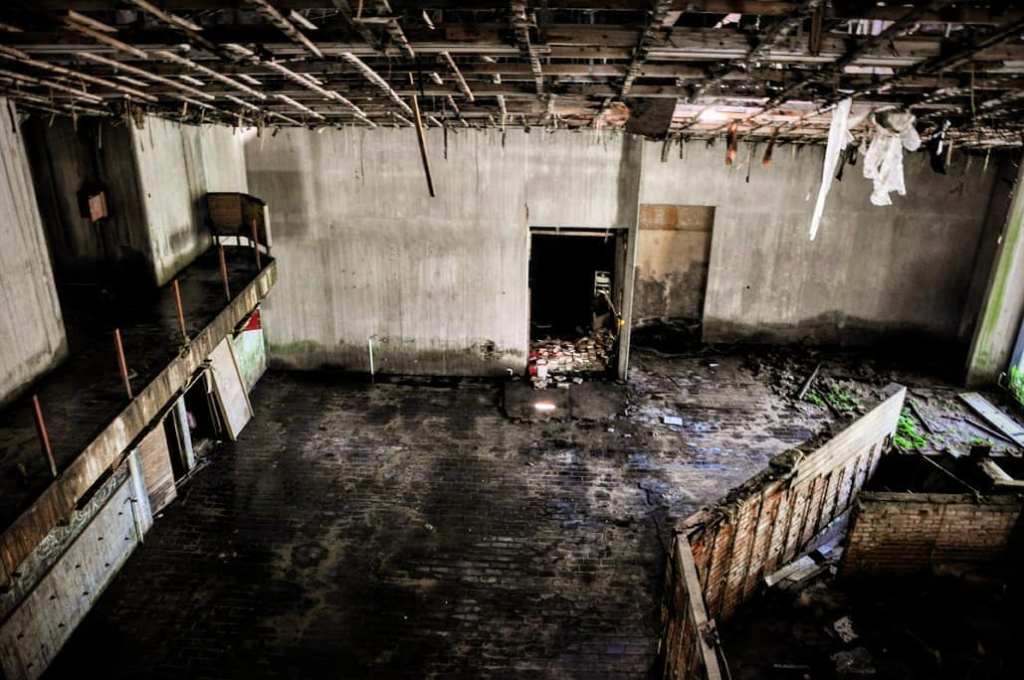
Most of the roof in the large main hall has been severely damaged and/or missing. Plastic lay all over the floor and years of rain/snow have turned a mixture of fallen insulation and sub-flooring into a lush green forest floor.

More and more vegetation is crawling in as time slowly passes.
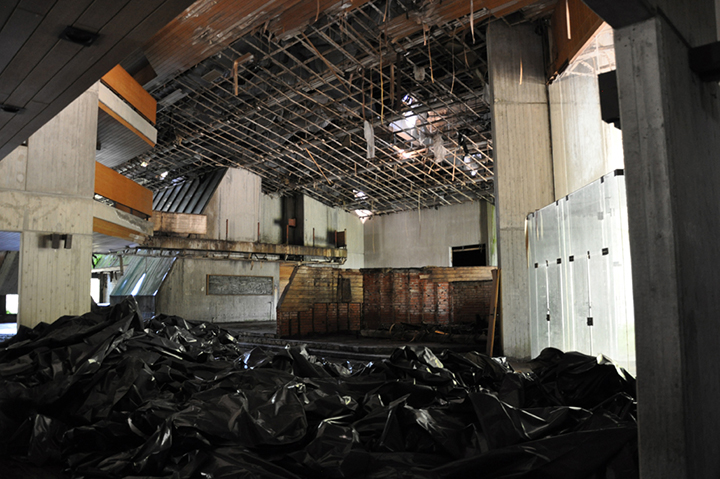
It is so damp inside that trees, ferns and mushrooms have all set roots in the ground floor. You can literally see the plant life crawling in from under the doors as if reclaiming ground it once held.


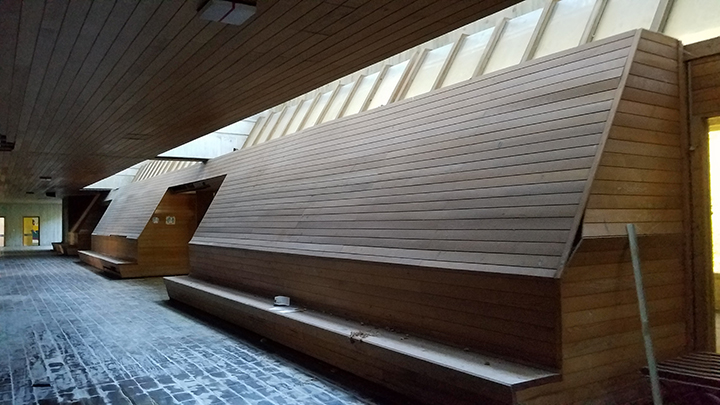
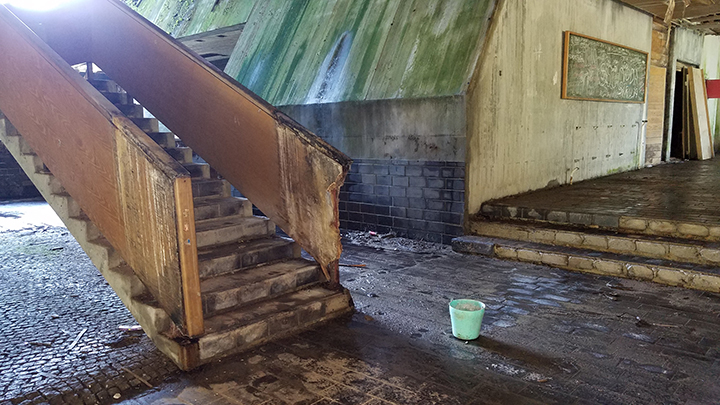


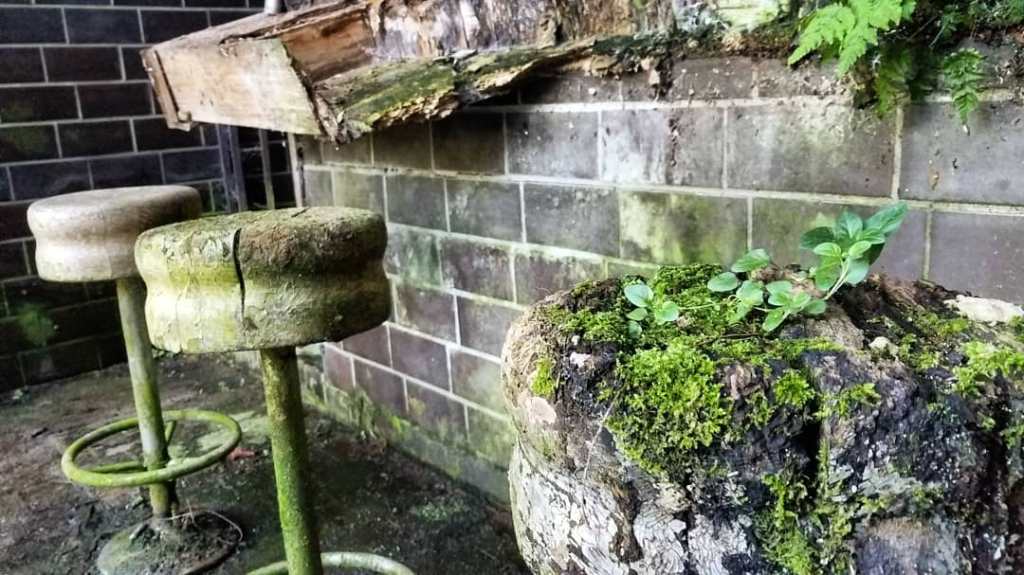
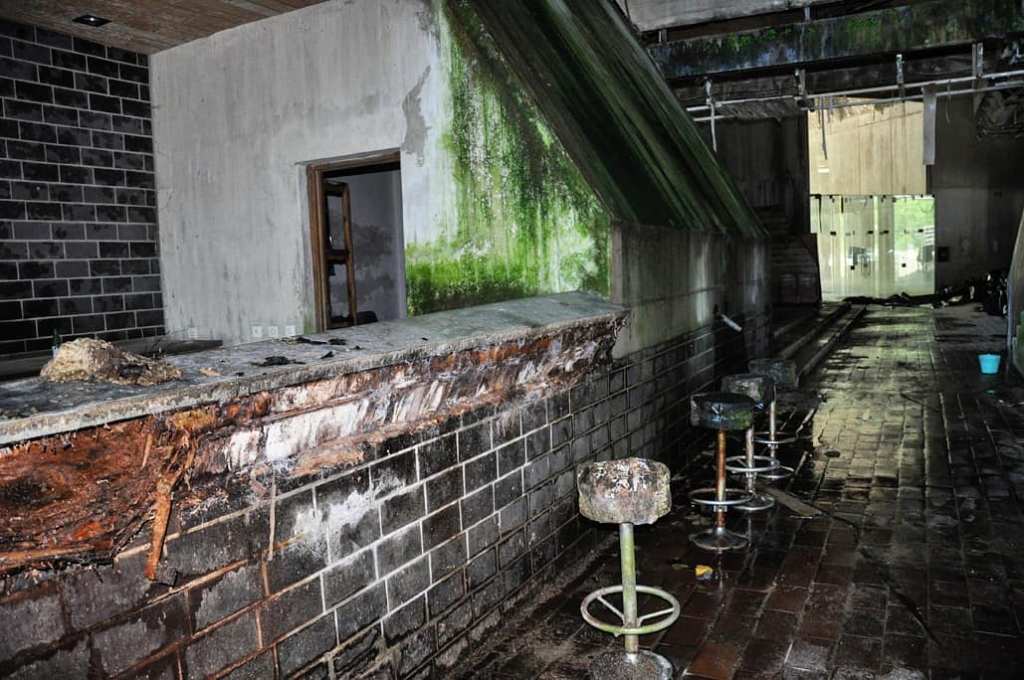
There was a bar area lined with wooden stools so rotted they were also starting to host a variety of moss, mold and plant life.



The reception area…
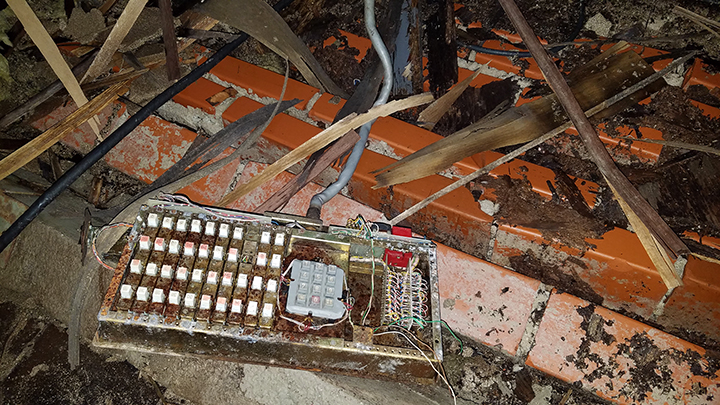
Any of the wooden furniture in the reception area that was left behind has been rotted down almost completely. The electronic system has been reduced to a pile of switchboards and wires strewn about.
There were a number of mail boxes that survived along the wall and the chair from the front desk sits as if it had never moved from it’s original spot.


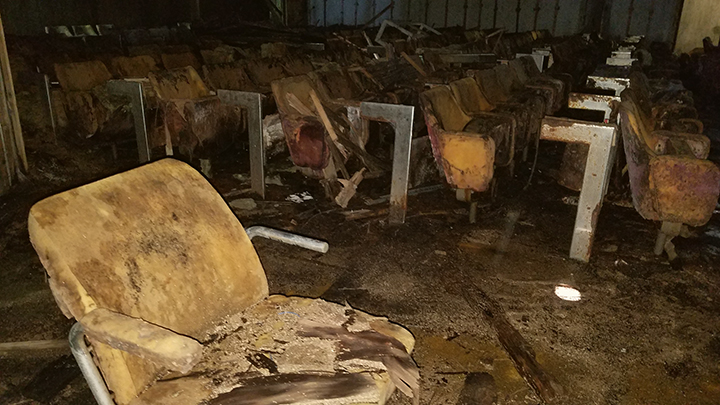
Photos from inside the theater…
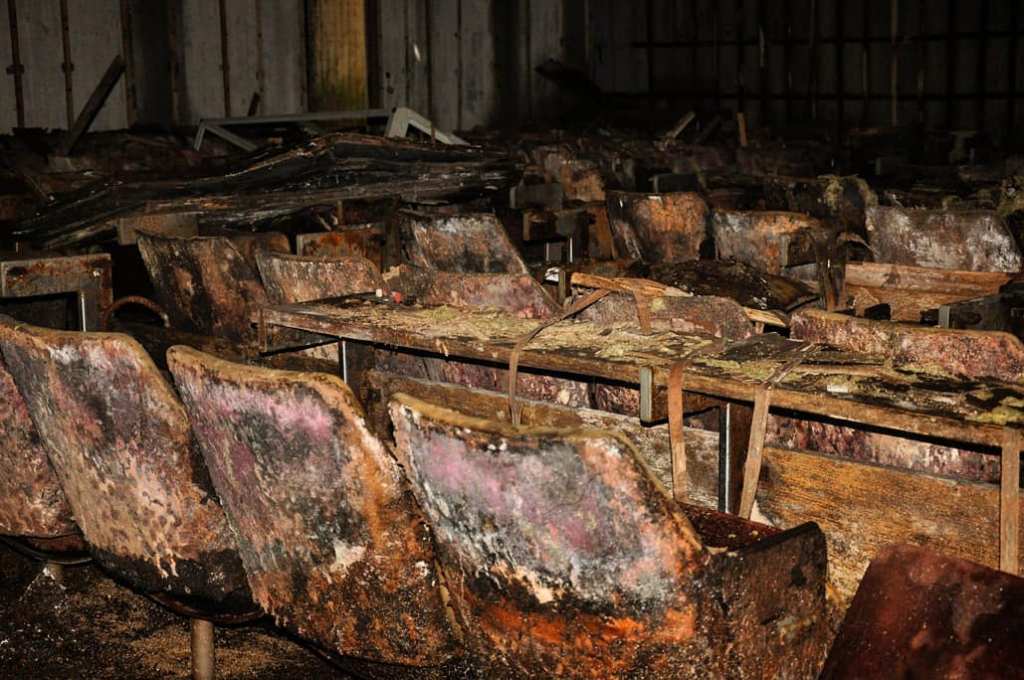
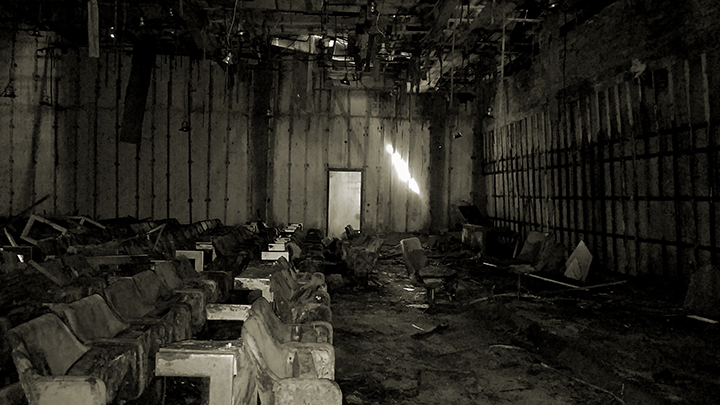
The theater is the darkest room above ground.
This expansive room with far reaching ceilings is extremely damp and covered in mold and mildew. Most of the wood and cloth seats are being completely consumed by moisture, turning everything in the room monochromatic shades of brown tland black.


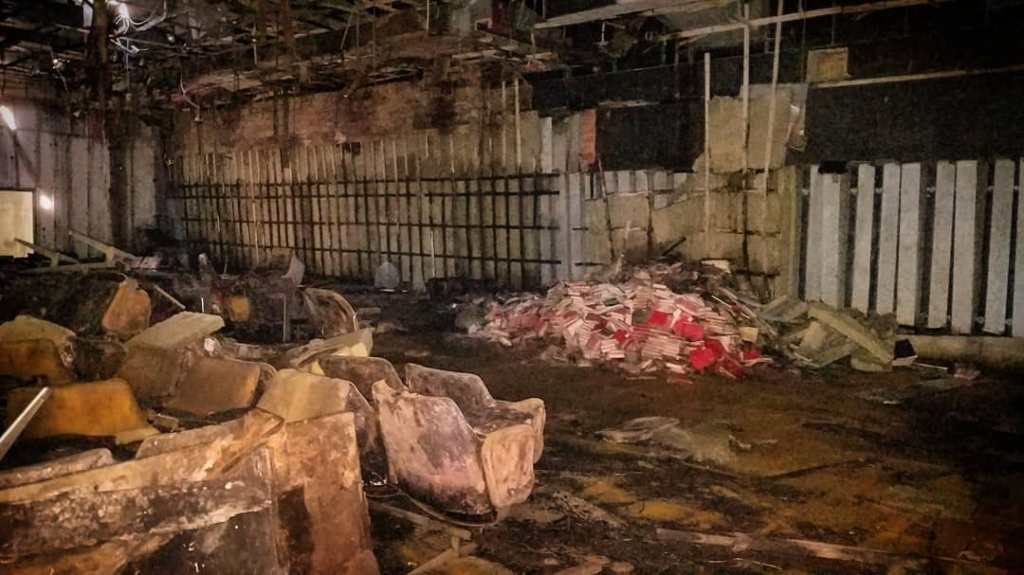
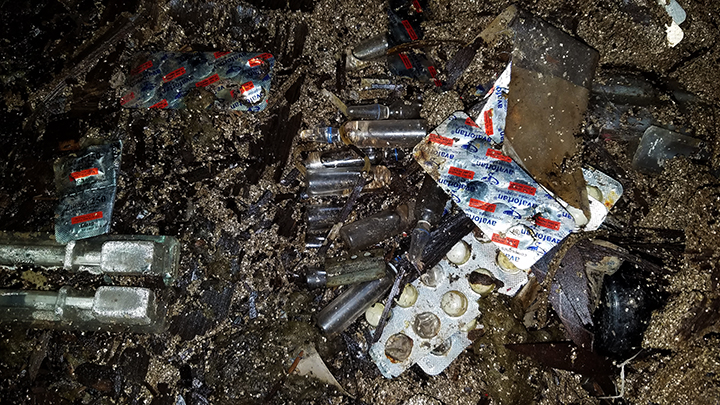
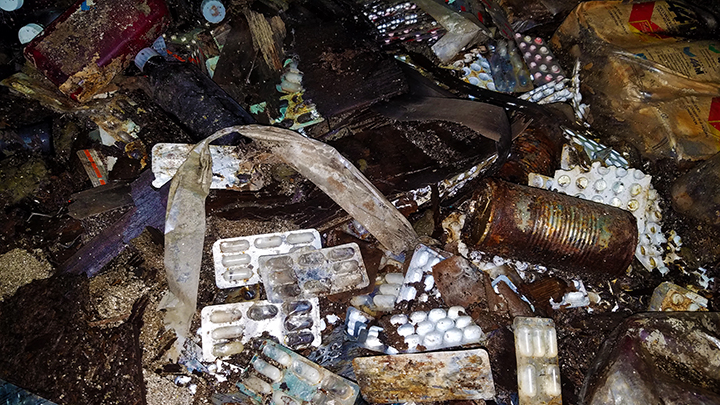
We also found large piles of medications lying on the ground, still in their bulk packaging.




Photos from inside the kitchen…
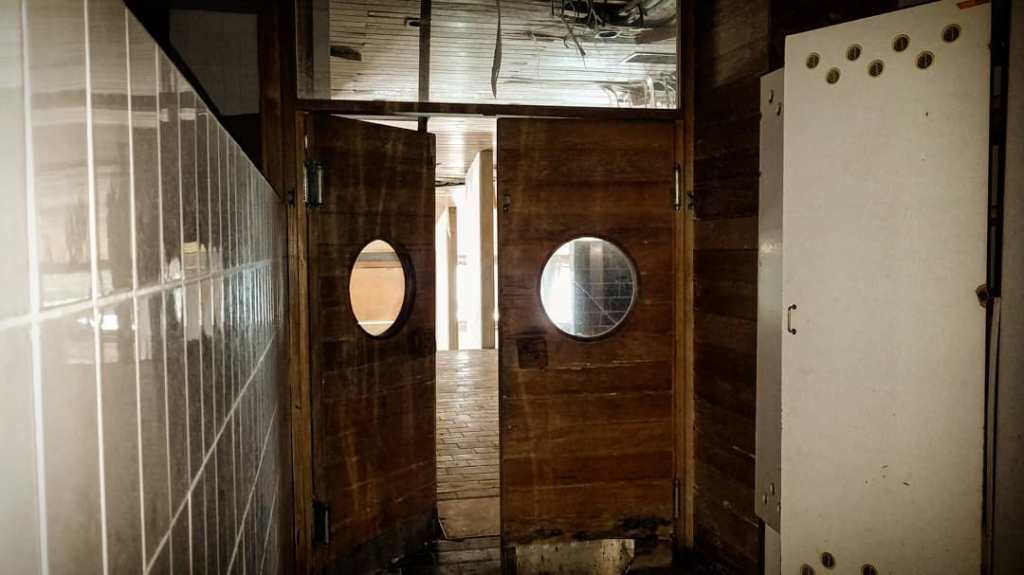
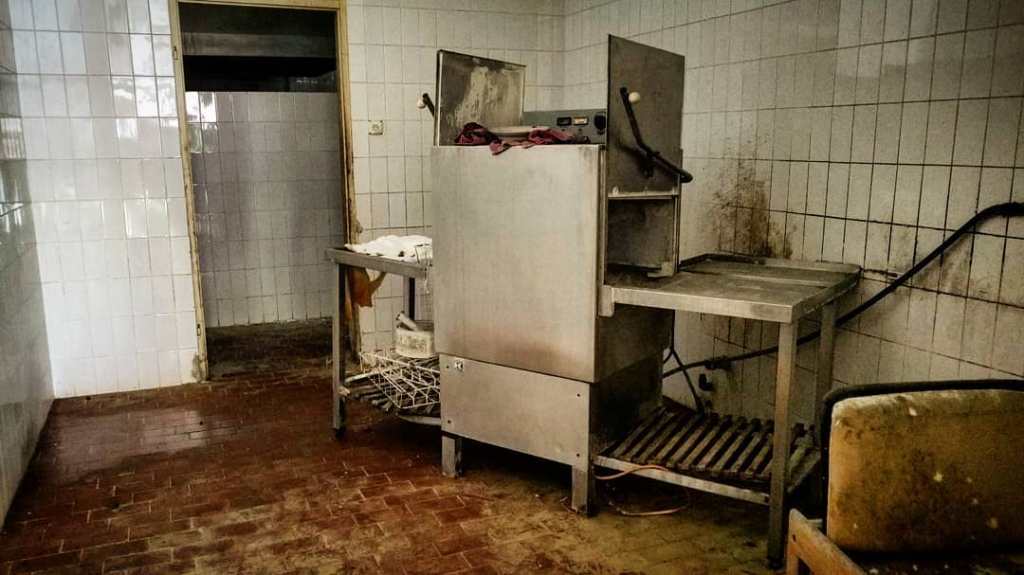
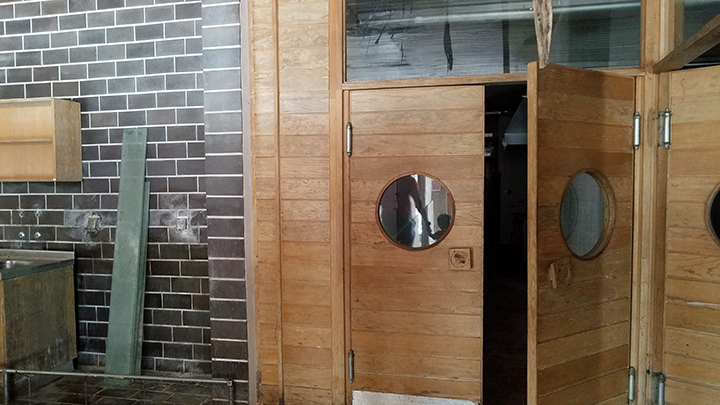
The large tiled kitchen still has some of the original industrial equipment although much looks like it has been removed or looted.
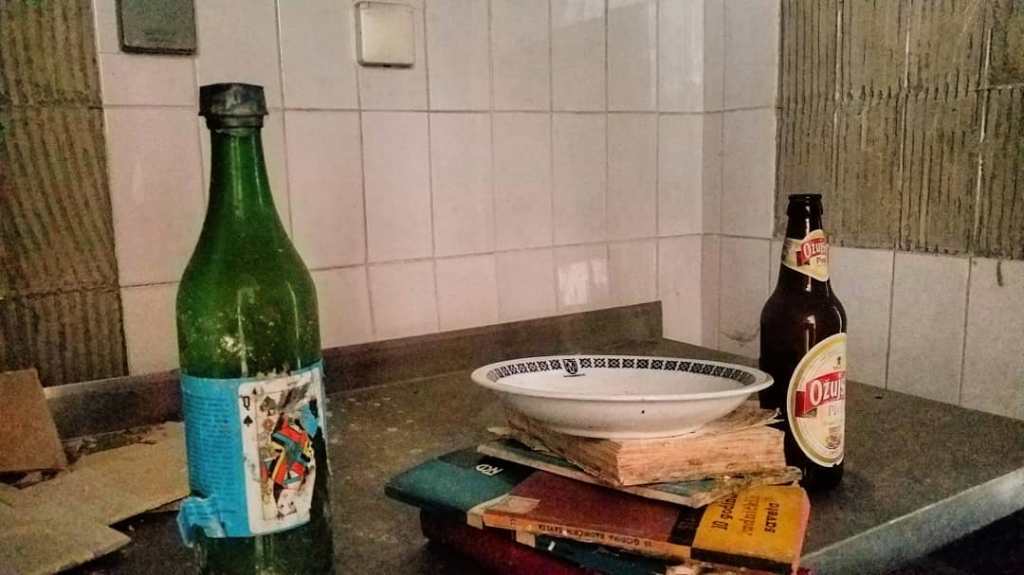
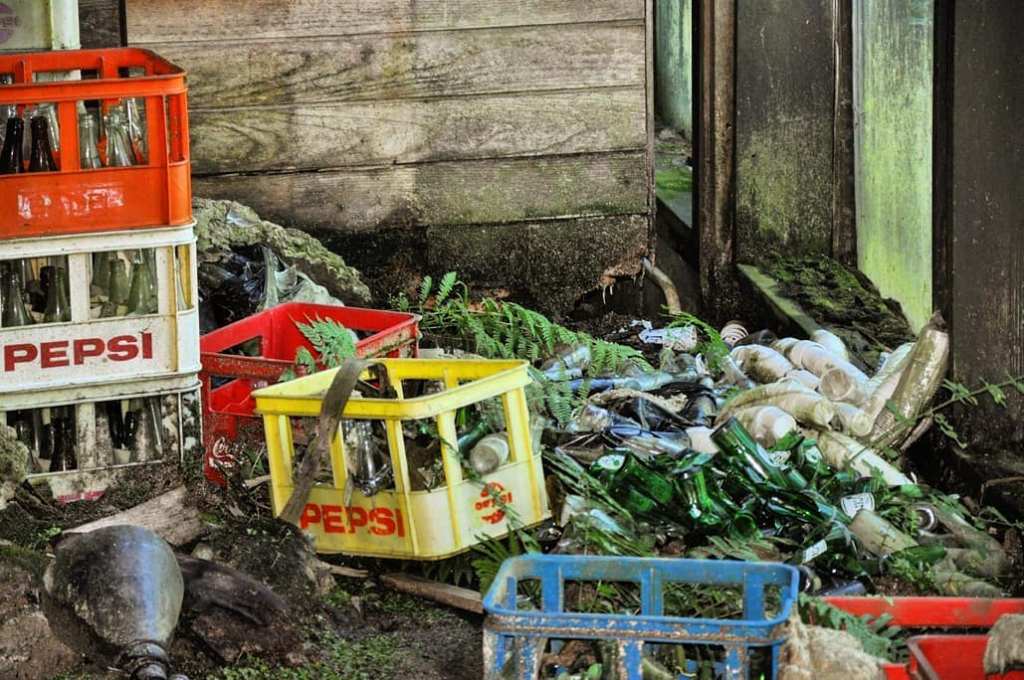
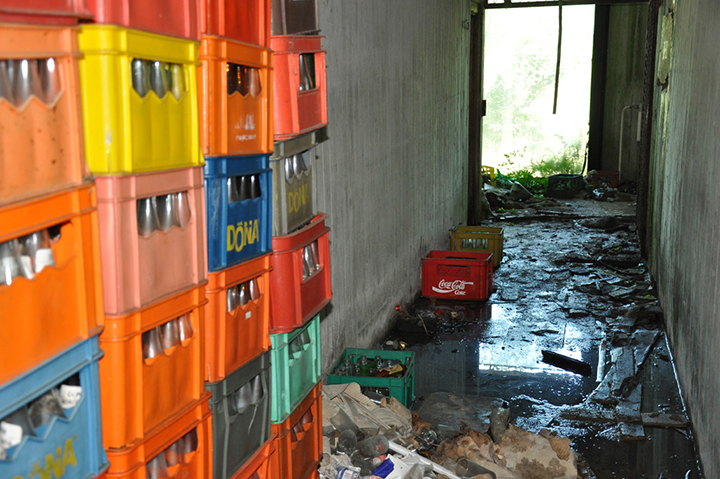
There are many pantries that are full of dishes and service wear, plenty of empty glass bottles and even a dumbwaiter that ran between the floors.







The second floor rooms…
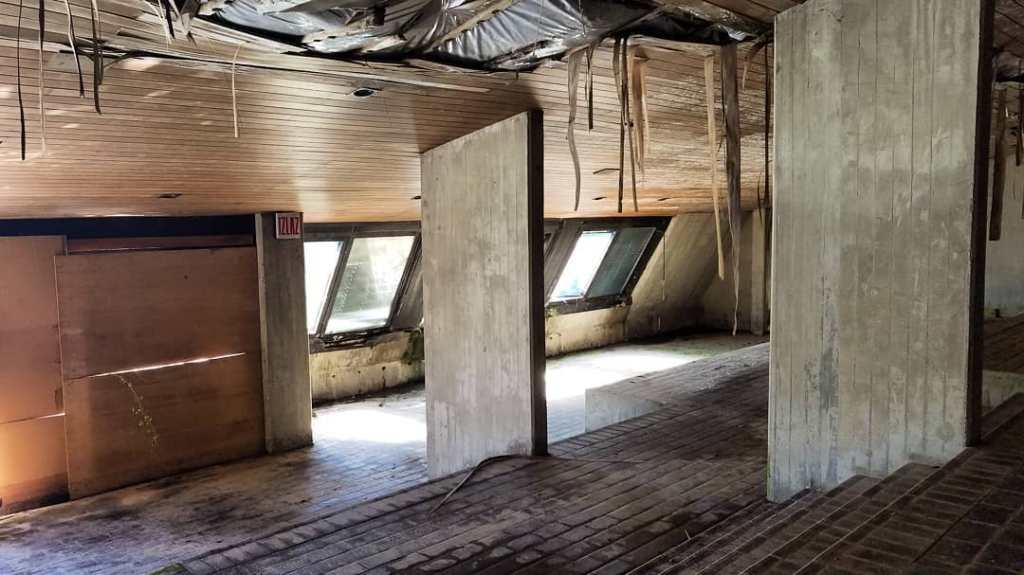
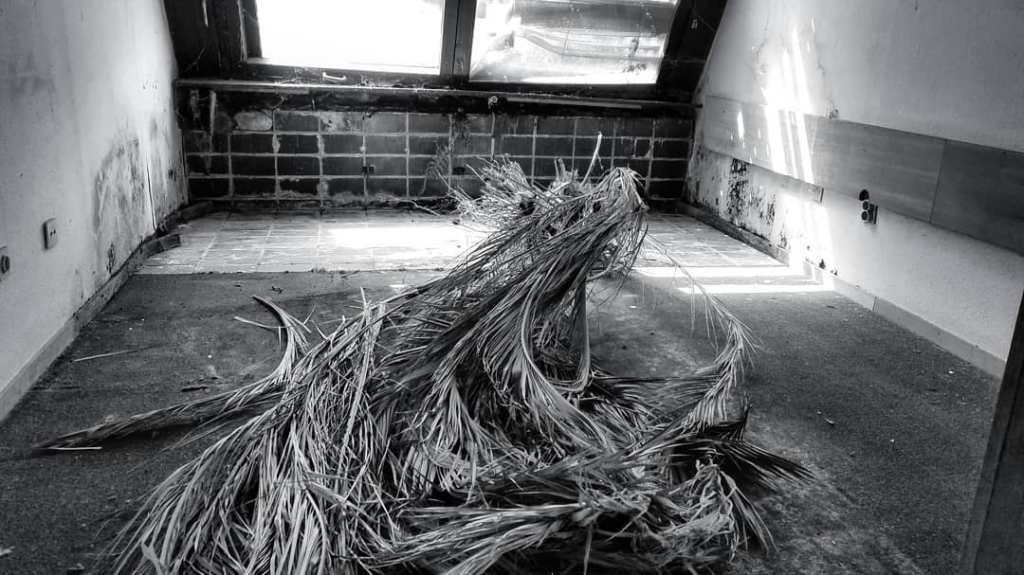
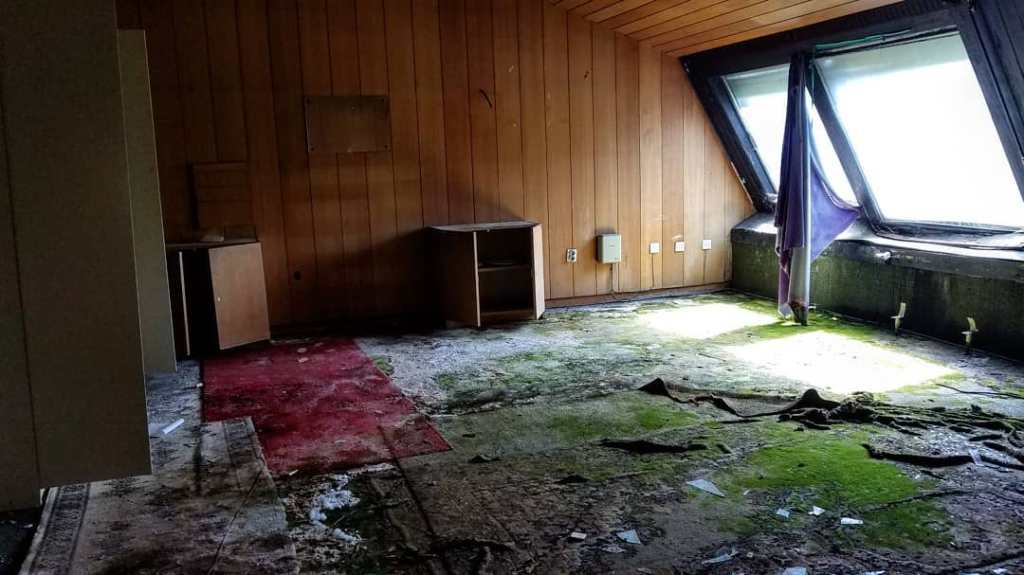
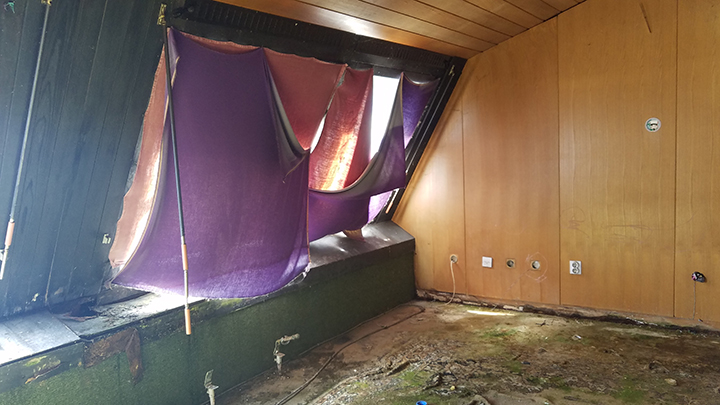
The second floor consists of relatively clean, long empty hallways that overlook the main hall of the first floor. Off of these hallways are small living quarters, some in better condition than others.


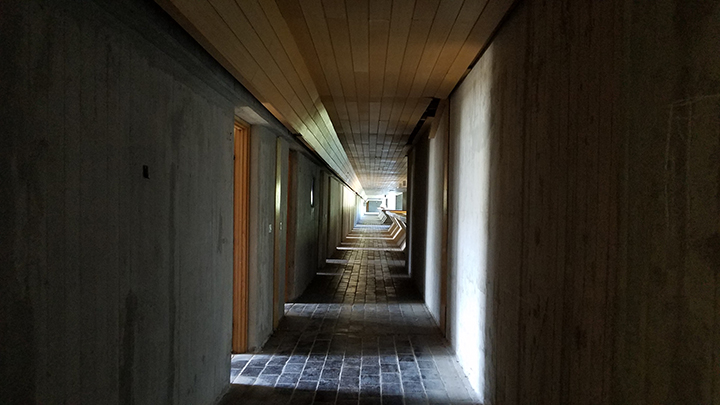
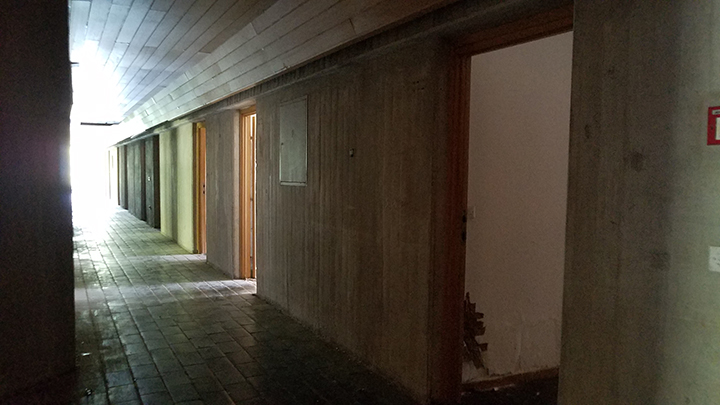

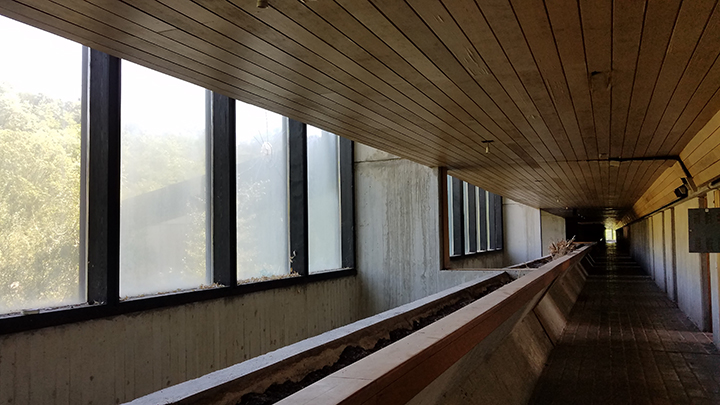
The layout of most of the rooms on the second floor are pretty indentical.
The more damaged rooms were empty while the others all had been furnished with identical furniture…a bed, desk and closet.
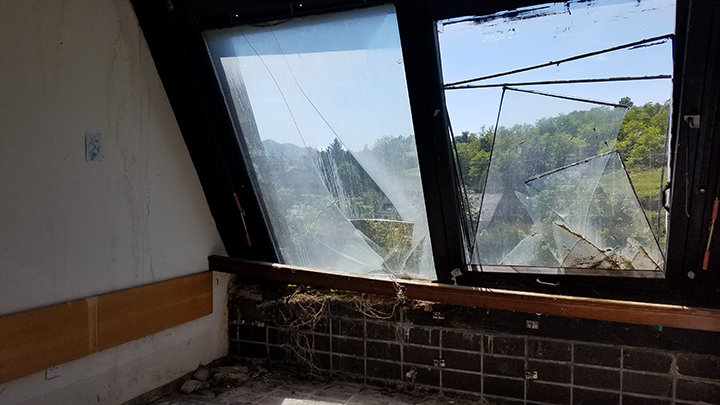
One entire side of the building was windows, keeping the rooms dry and warm. For the most part, a good percentage of them are still in pretty decent shape.
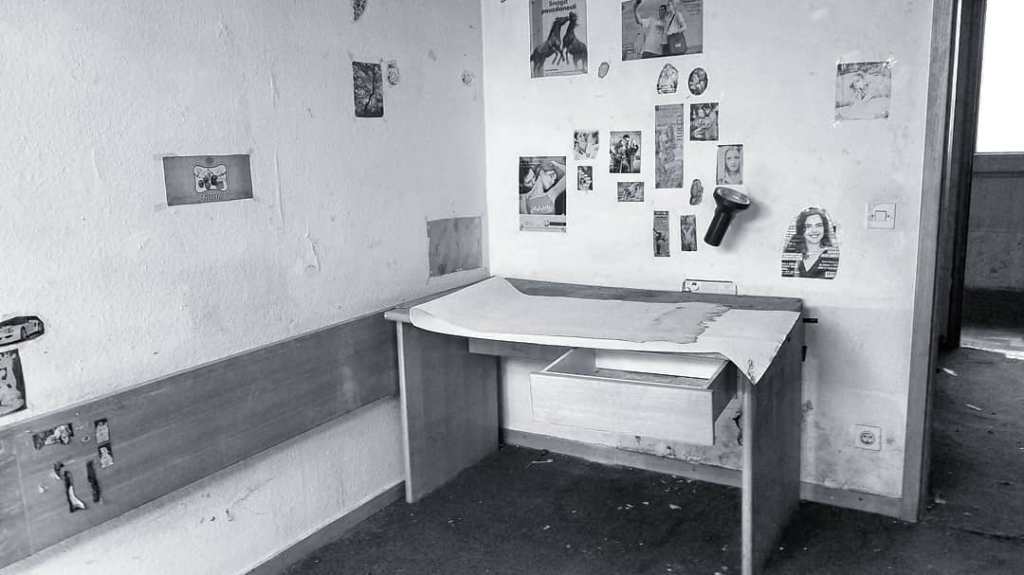
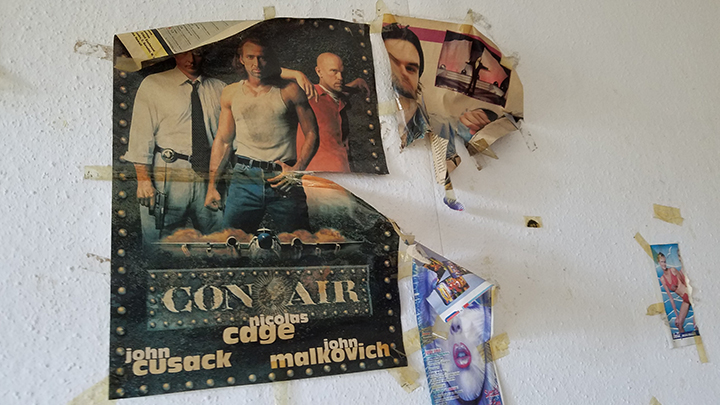



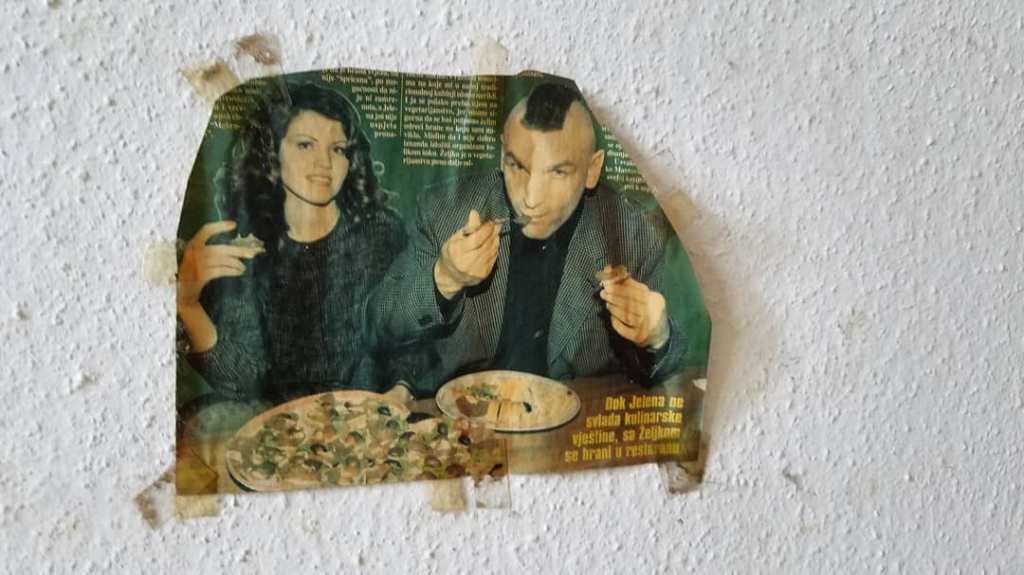
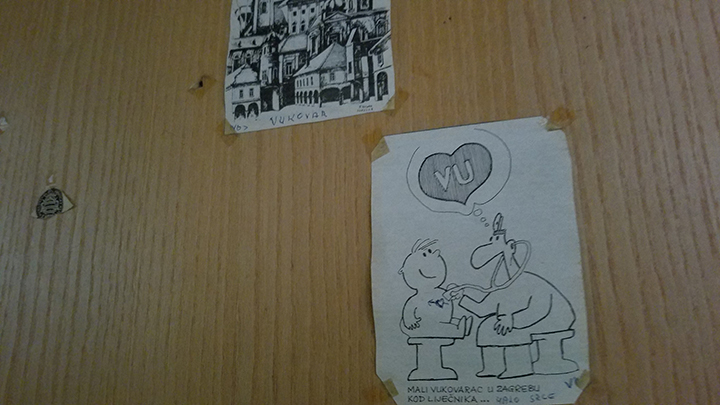
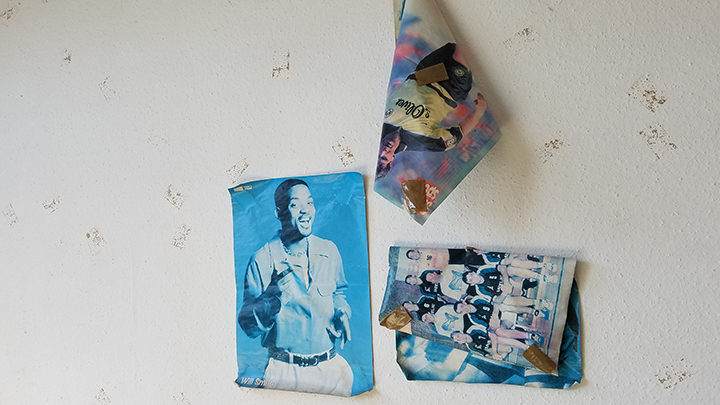
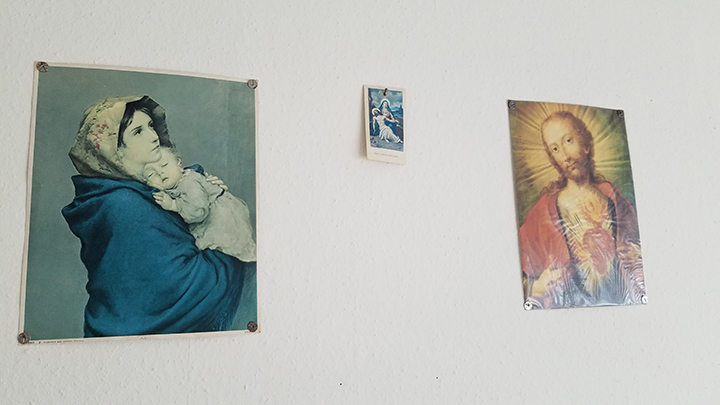
A lot of the rooms still had religious materials or magazine pages from the 1990s taped to the wall which was quite amusing to see.
You could easily tell which of the rooms belonged to male or female teenagers, to young children or to adults by the subject matter of the material hanging on the walls.





Found literature...
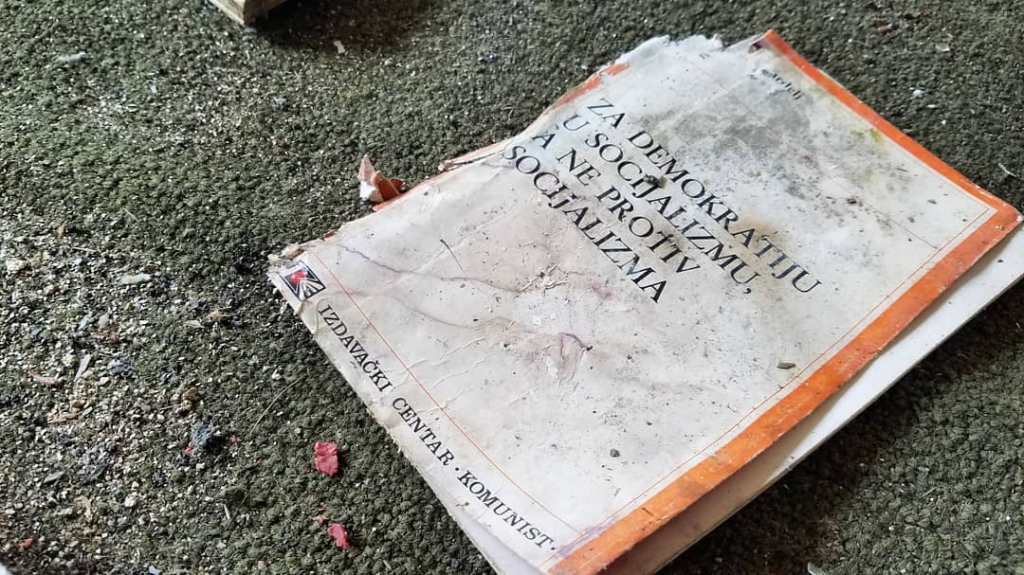
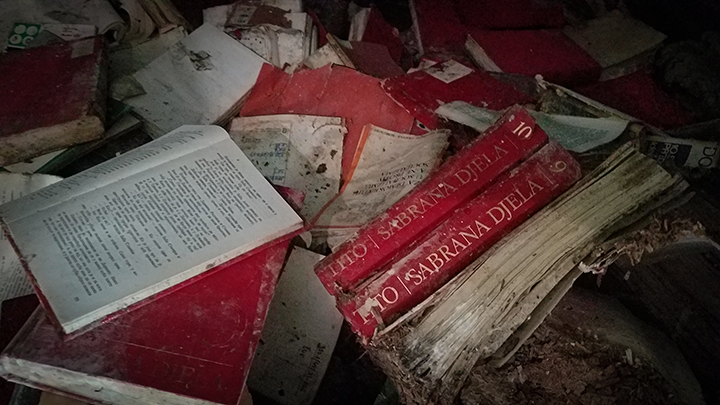
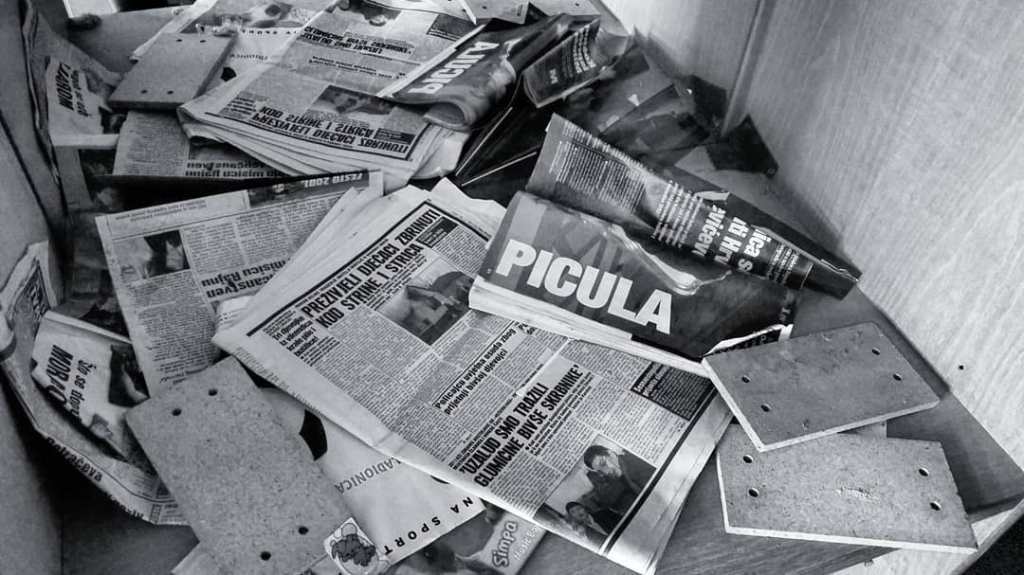
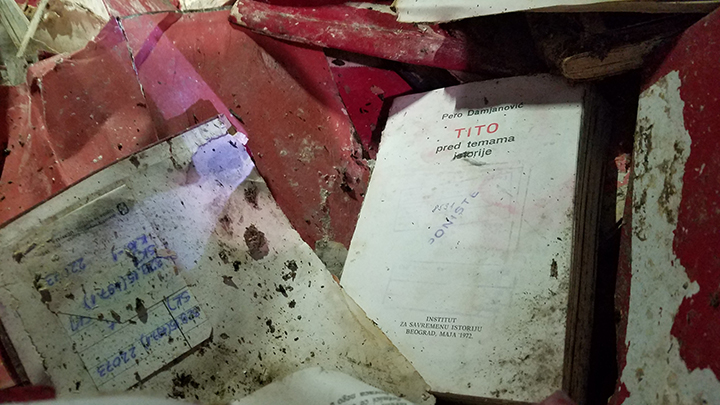
Even though the building had been repurposed as a refugee home in the 90s, traces of it’s communist past remain everywhere. Especially in the reading material that has been left behind, strewn about the building.
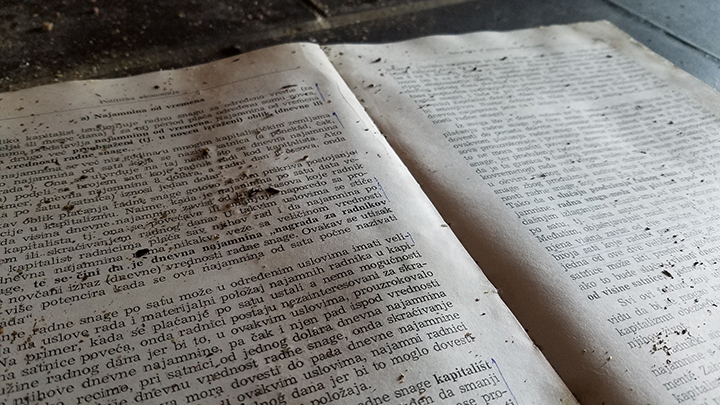


Books on socialist theory, communism and hundreds of copies of the volumes of Tito’s ‘Red Book‘ lay in piles unable to be salvaged.
Too bad, these were a souvenir I would have been willing to take.
These books in particular, we found in large piles in at least six of the rooms throughout the building.





The basement…
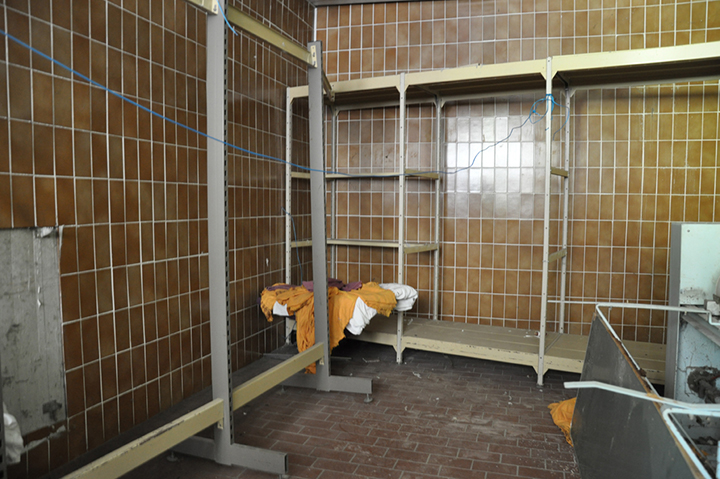
Before you follow the darkness into the depths of the basement, you’ll find a few brown tiled rooms which functioned as the laundry rooms.
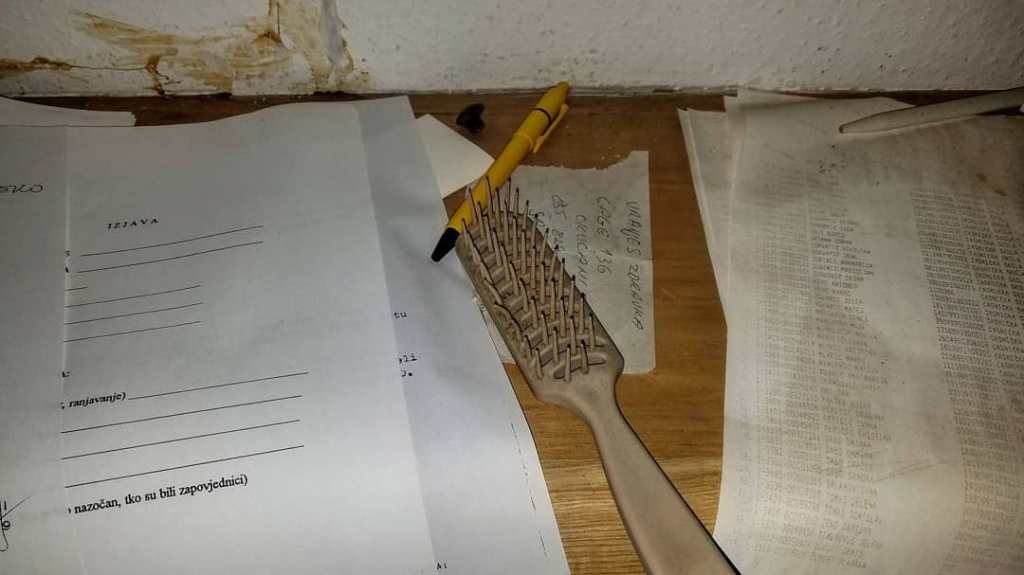
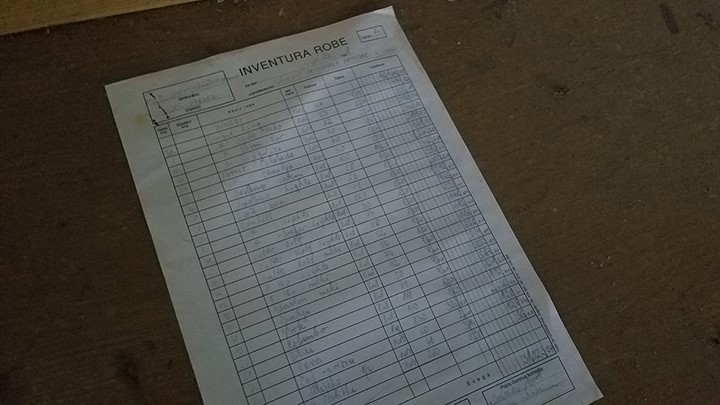
Here we found some old clothing as well as inventory paperwork.


As you walk down the hallway, further into the basement through an unlocked caged door, the darkness really starts to set in.
Without a flashlight it would be impossible to see.
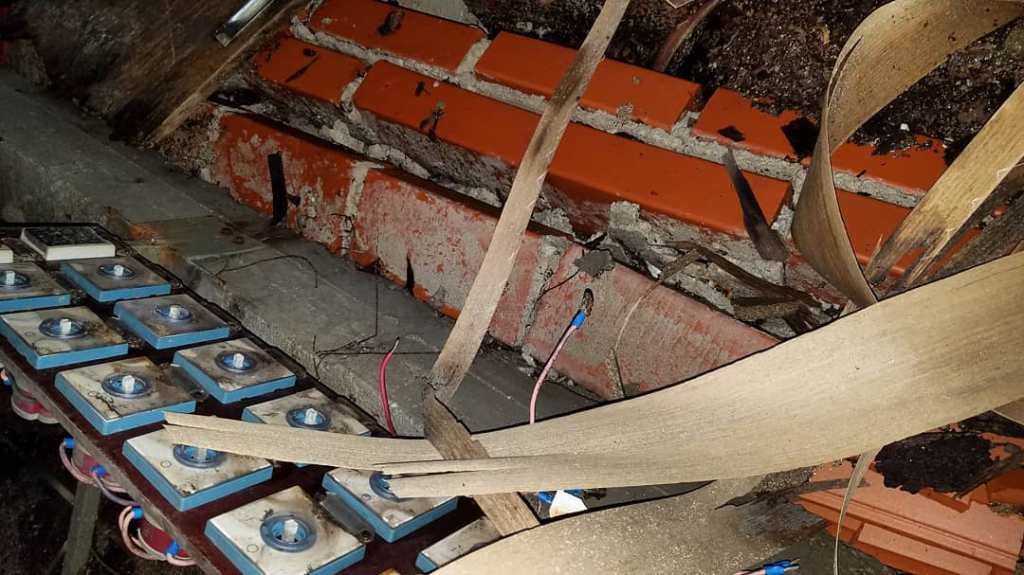
We found the walls of the long corridor lined with electrical panels that once powered the building.

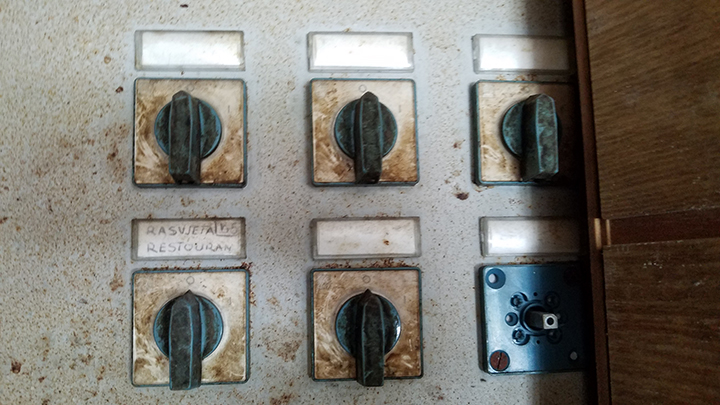


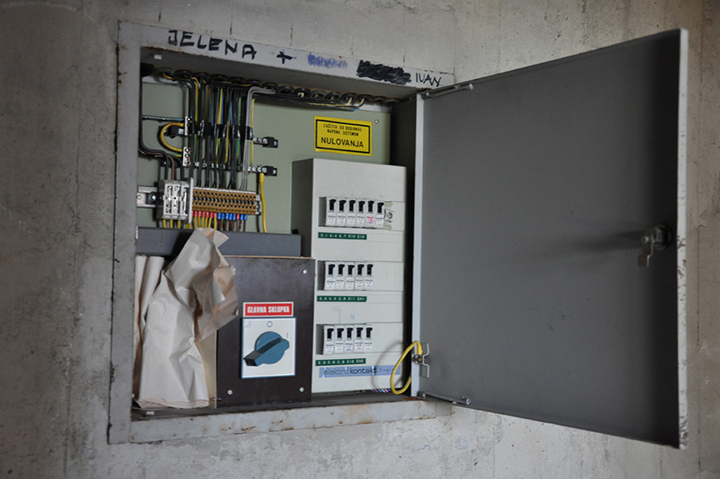
Some had wires ripped out while others were completely intact.
One still had the original electrical blueprint papers inside.
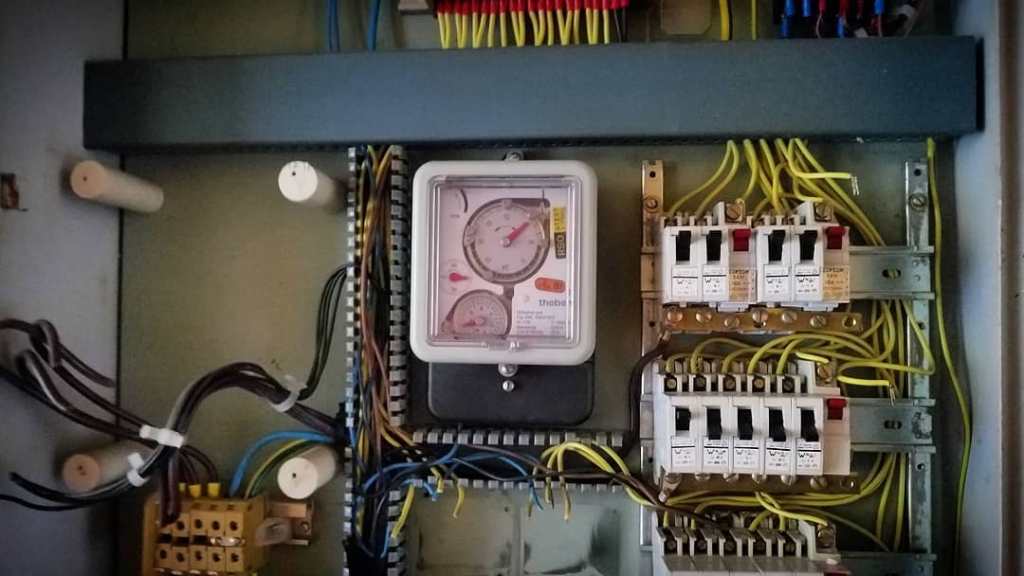

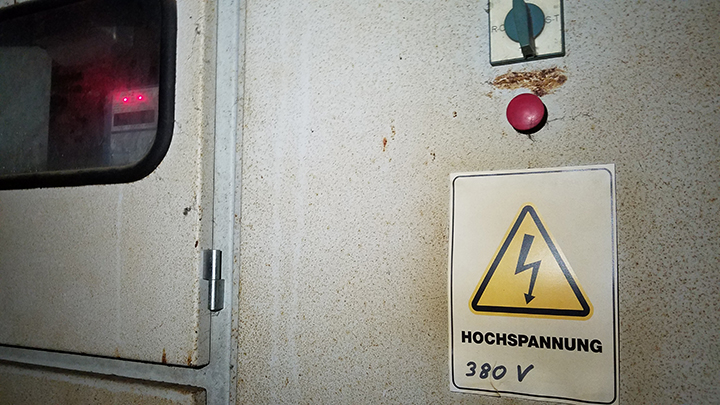
One had 2 red lights, still on, that peaked my curiosity as they were the only lights in the otherwise pitch black corridor.

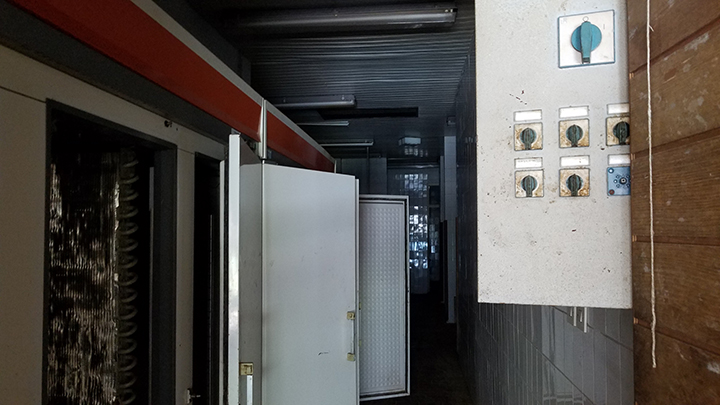
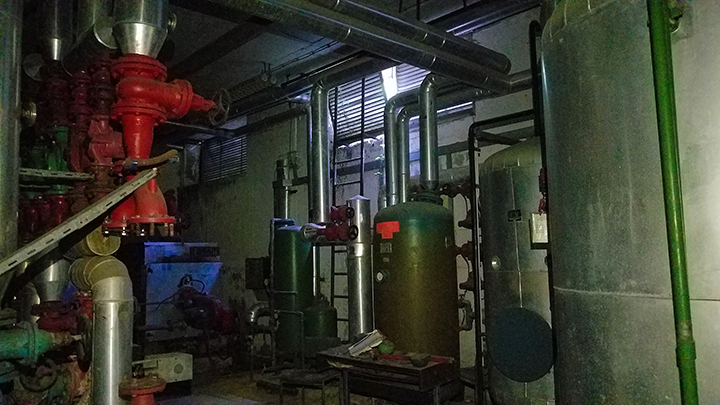
There were large insulated rooms that housed the heating/cooling systems.
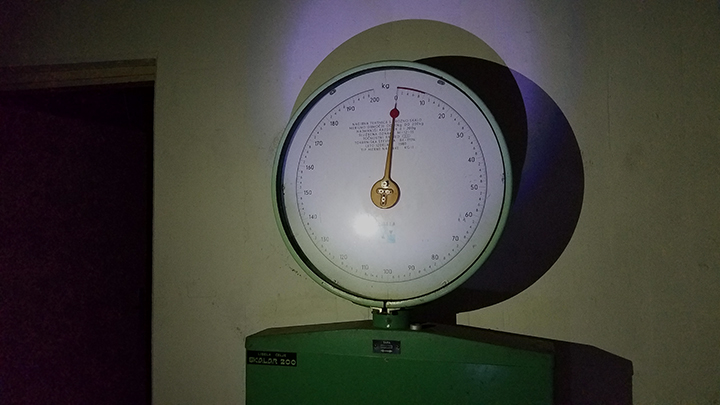
A very large scale…
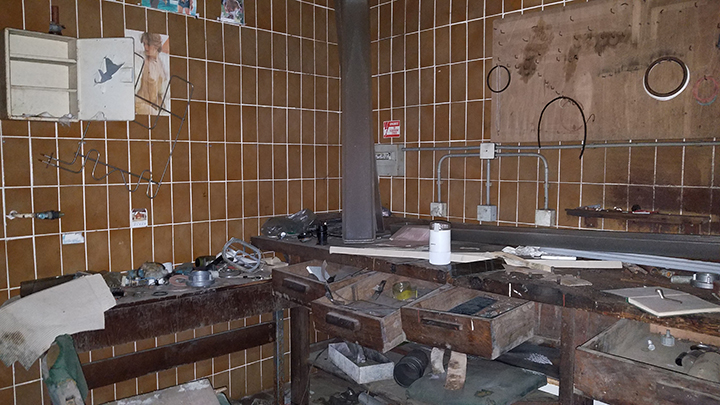
…and what must have been the maintenance office.
The long desk was covered in tools, machine parts, wires and a log book. The drawers had been rummaged through and were all left open.
On the wall hung nude / topless photos from an old magazine.

The drive from Zagreb to Kumrovec…
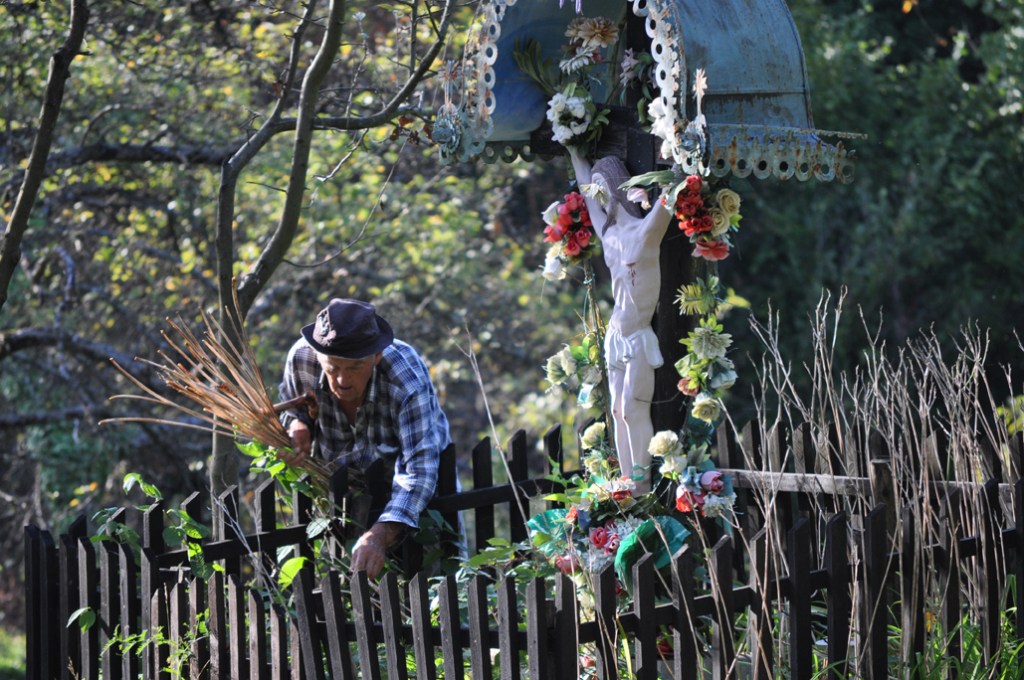
The Croatian countryside is just amazingly beautiful, full of old villages, fruit and olive trees, vineyards, fields full of sunflowers, ancient castles and churches.
Republic of Croatia (Hrvatska)
The trip can be just as amazing as your destination when travelling in Croatia.


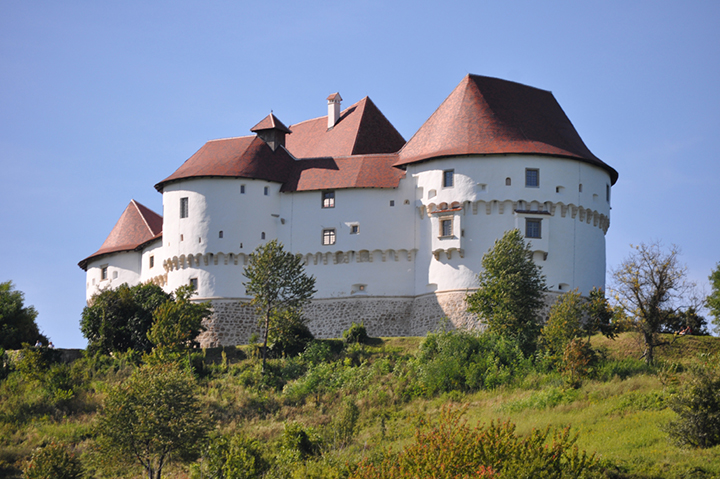
Veliki Tabor Castle, also located in the Zagorje region, dates to the 15th century.
The legend of Veliki Tabor :
In the Middle Ages, Veliki Tabor belonged to Count Hermann II of Celje.
His son Frederick fell in love with Veronika, a girl from a poor family. Hermann refused to accept a minor noblewoman as his daughter-in-law. He accused her of witchcraft and had her drowned.
Frederick’s rebellion against Hermann ended with Frederick’s imprisonment.
Her body was walled up in Veliki Tabor.
Veronika’s weeping can still be heard from the castle, according to some stories.
A visit to the birthplace of Josip Broz “Tito”…
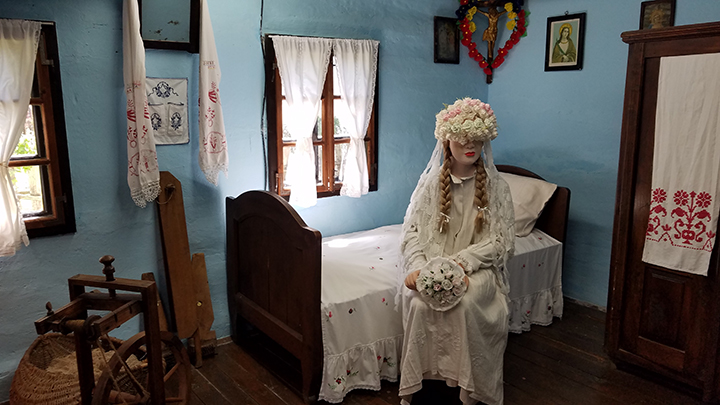
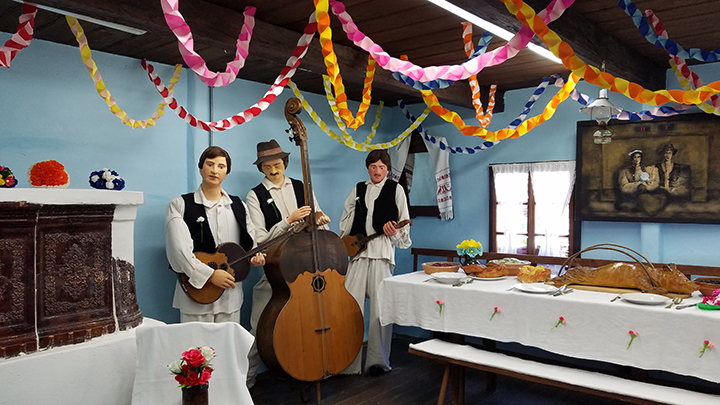
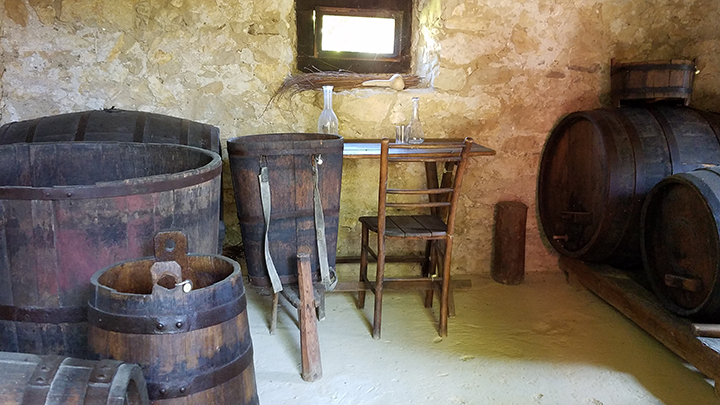
While in Kumrovac, we also visited the quaint village where Tito was born. It is a very small living village of about 20 houses, built on the cusp of the 19th and 20th centuries, that have all been restored to their former glory.


The restorations paint an accurate picture of what life was like in Zagorje in the 19th century.


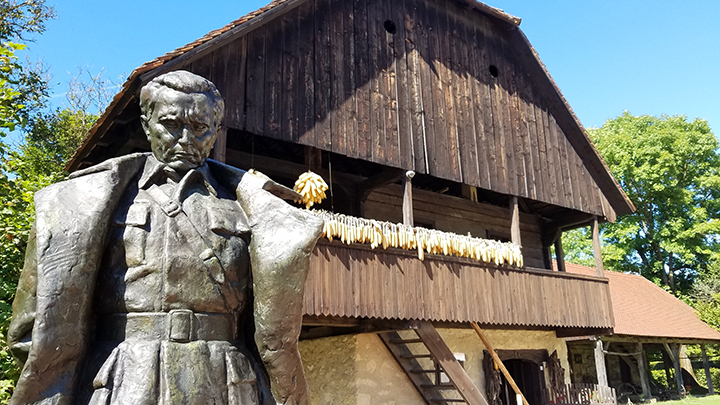
A large statue of Tito was placed in front of his birthplace. It is modeled showing the man in a pensive pose, depicting him in a difficult time during the war when victory was thought to be far from assured.
The house has been staged as a wedding celebration, complete with decorations family, food and music of the period.




Links to further reading on the subjects covered in this blog :
For more on the breakup of Yugoslavia here is an article by the BBC.
For some further reading on the failure of multi-ethnic states in the Balkans here is a very poignant article on the subject.
An article on the subject of historical rivalries between football teams Red Star and Dinamo, and the game that could have started a civil war.
 emily & entropy
Love it!
LikeLike
thanks! ♥️
LikeLike
Very impressive stuff.
LikeLiked by 1 person
thanks! it is a great place
LikeLike