
The Republic of Croatia (Hrvatska)
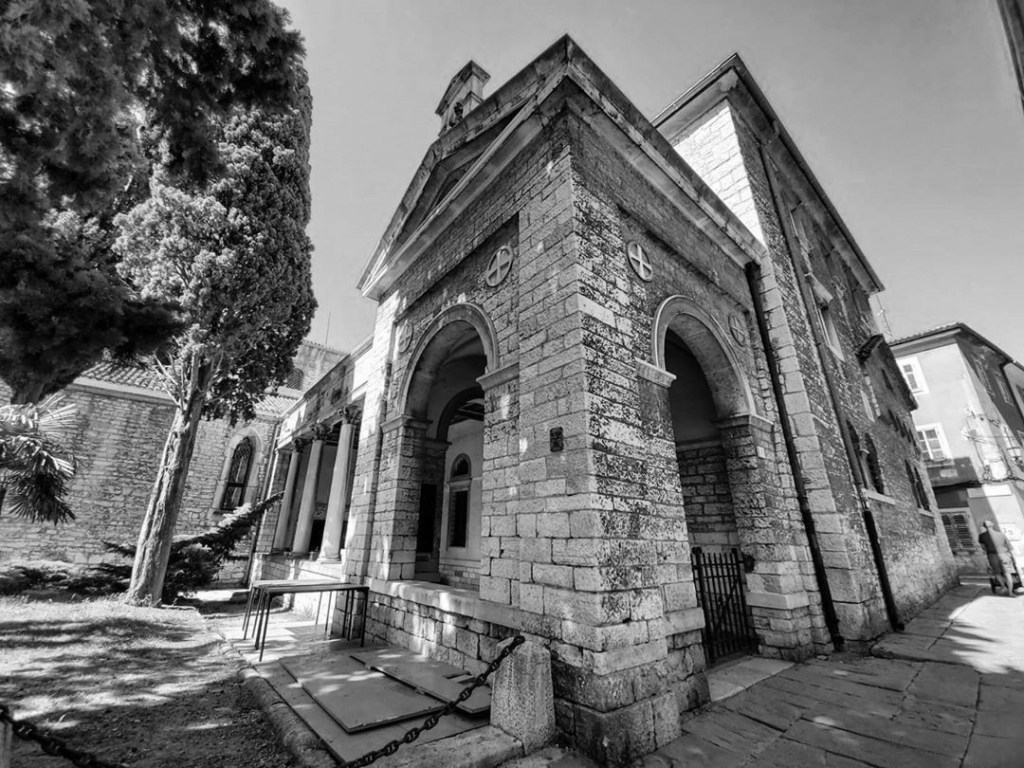
Located on the Istrian coast of Croatia lies Pula, a coastal city as old as human kind. A beautiful and quiet city that offers, not only an enthralling look into the history of human settlement but also the natural beauty of the Croatian countryside and the clear, turquoise waters of the Adriatic Sea.
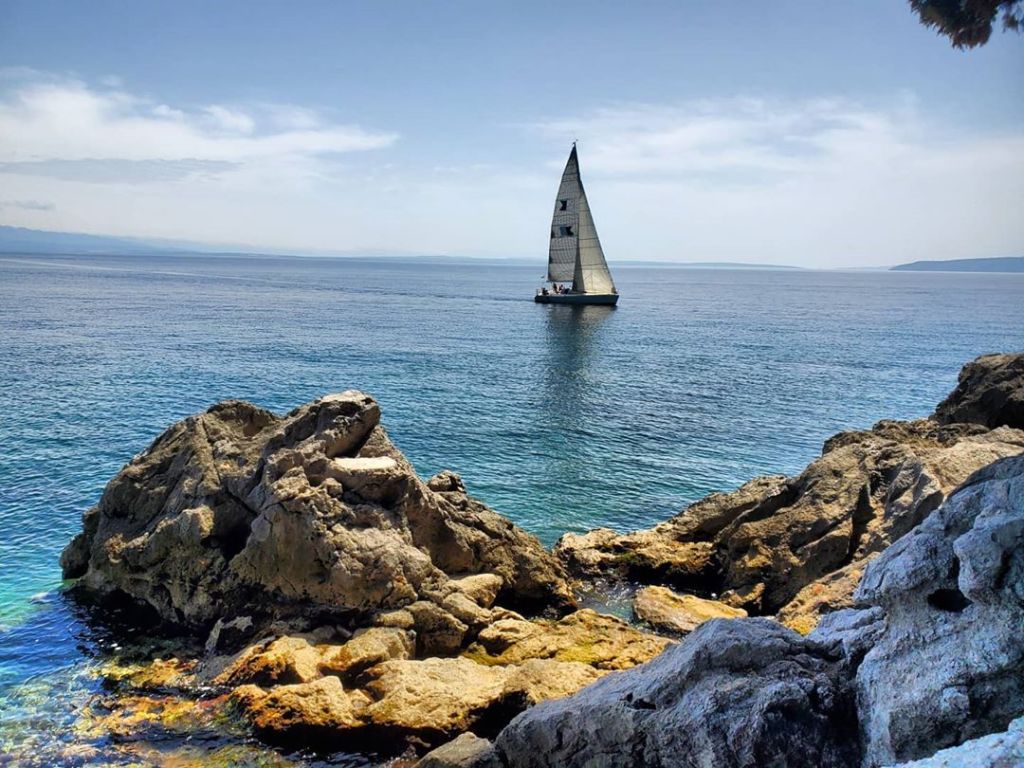
Evidence of the presence of humans, 1 million years ago, has been found in the cave of Šandalja near Pula. Pottery from the Neolithic period (6000–2000 BC), indicating human settlement, has also been found around the city.
Many late Bronze Age bone objects, such as tools for smoothing and drilling, sewing needles, as well as bronze pendants, have been found in the area.
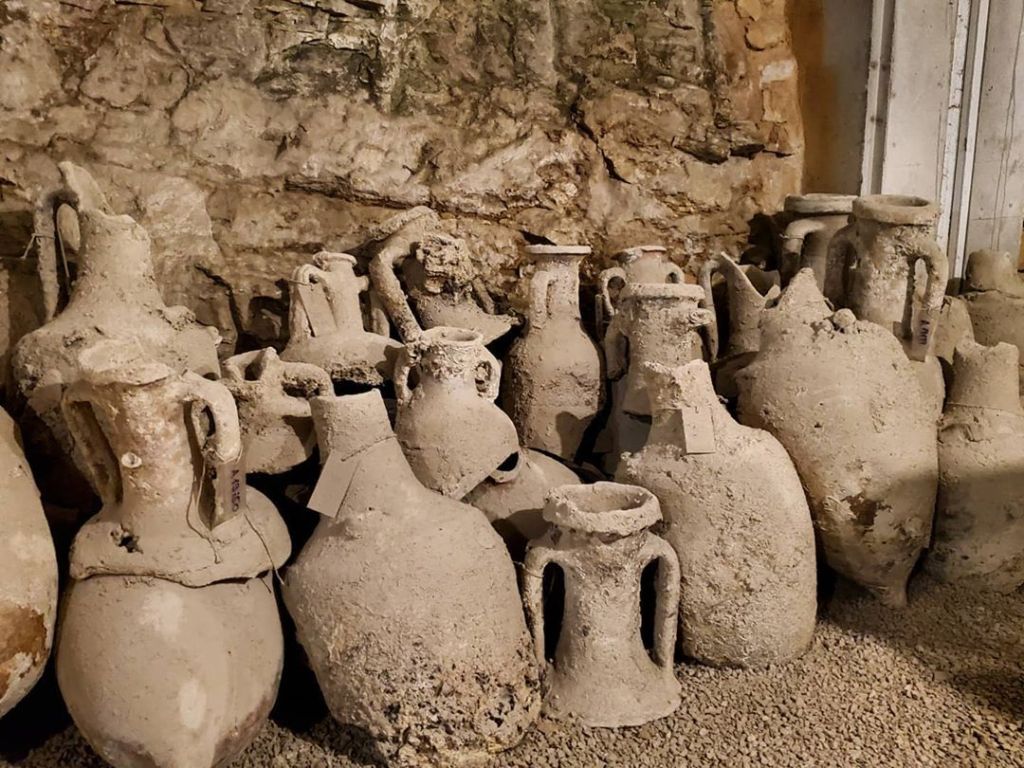
Roman Amphitheater
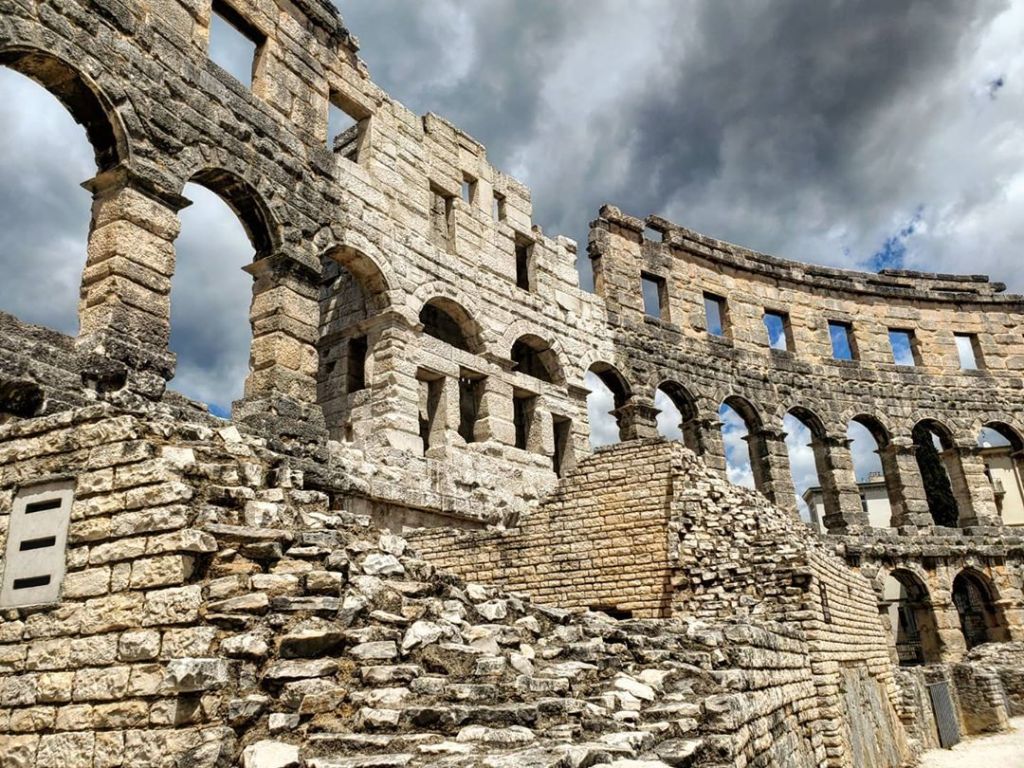
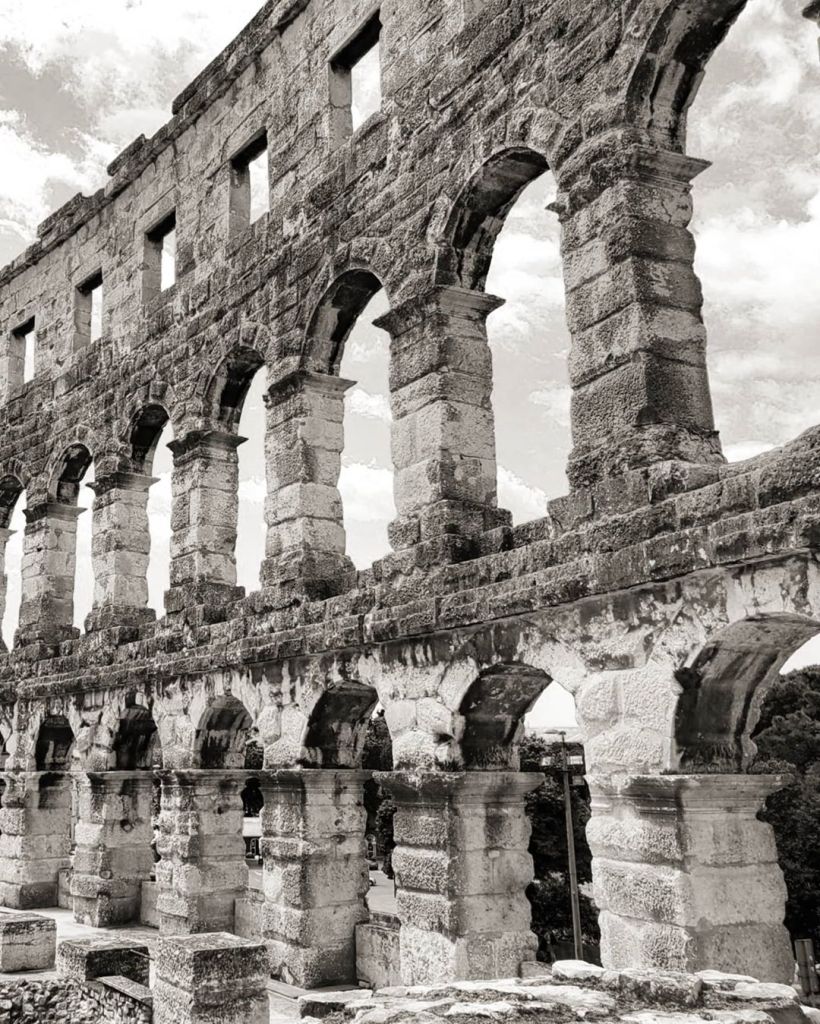
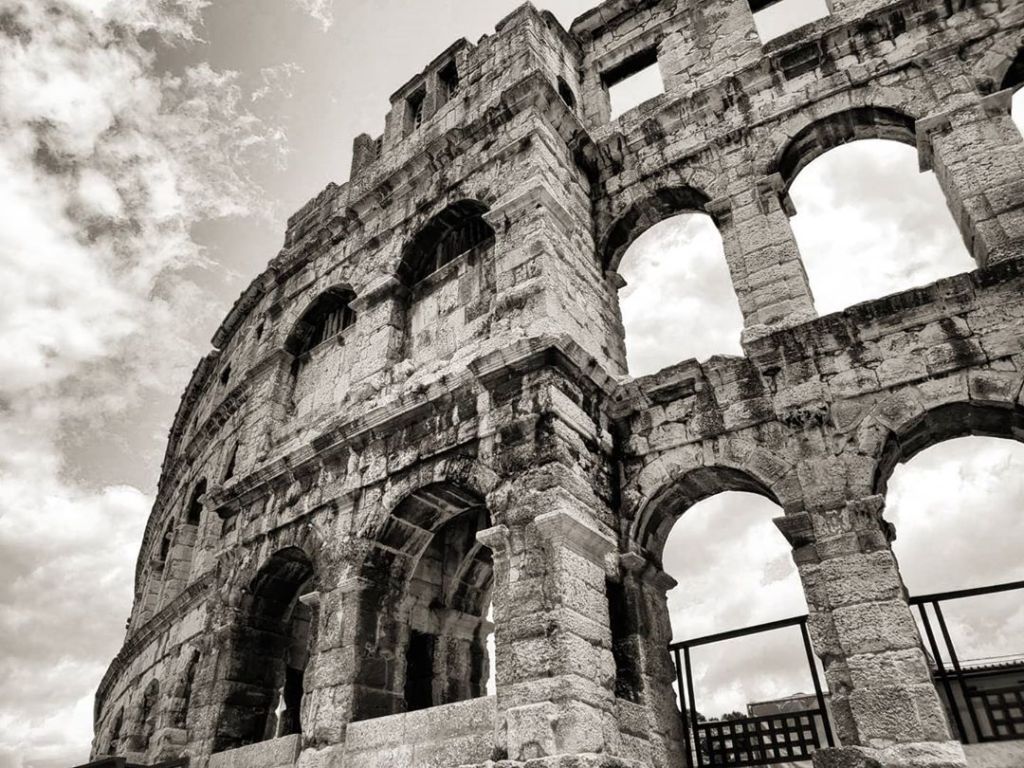
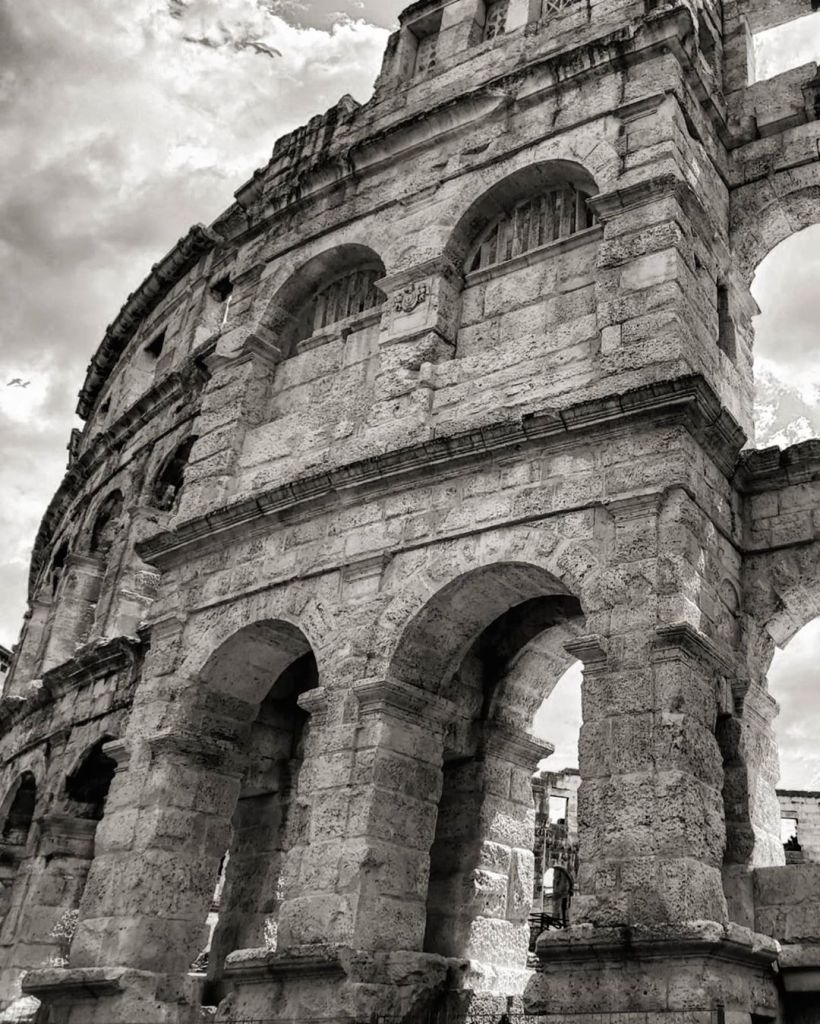
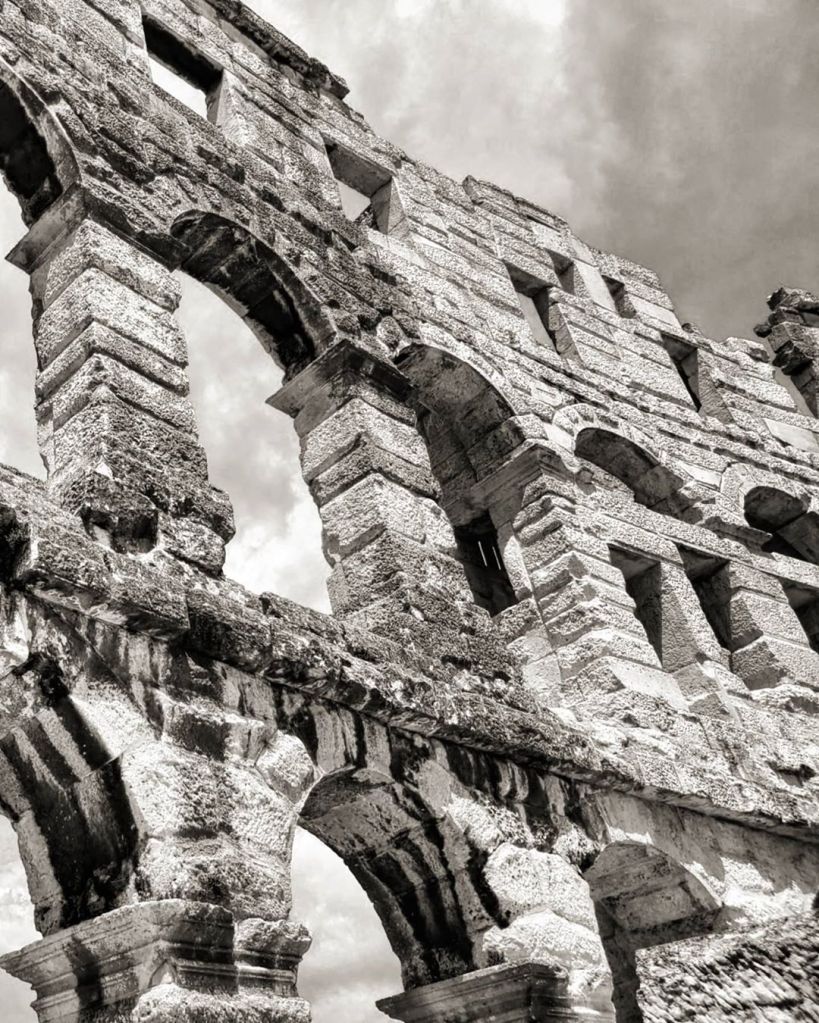
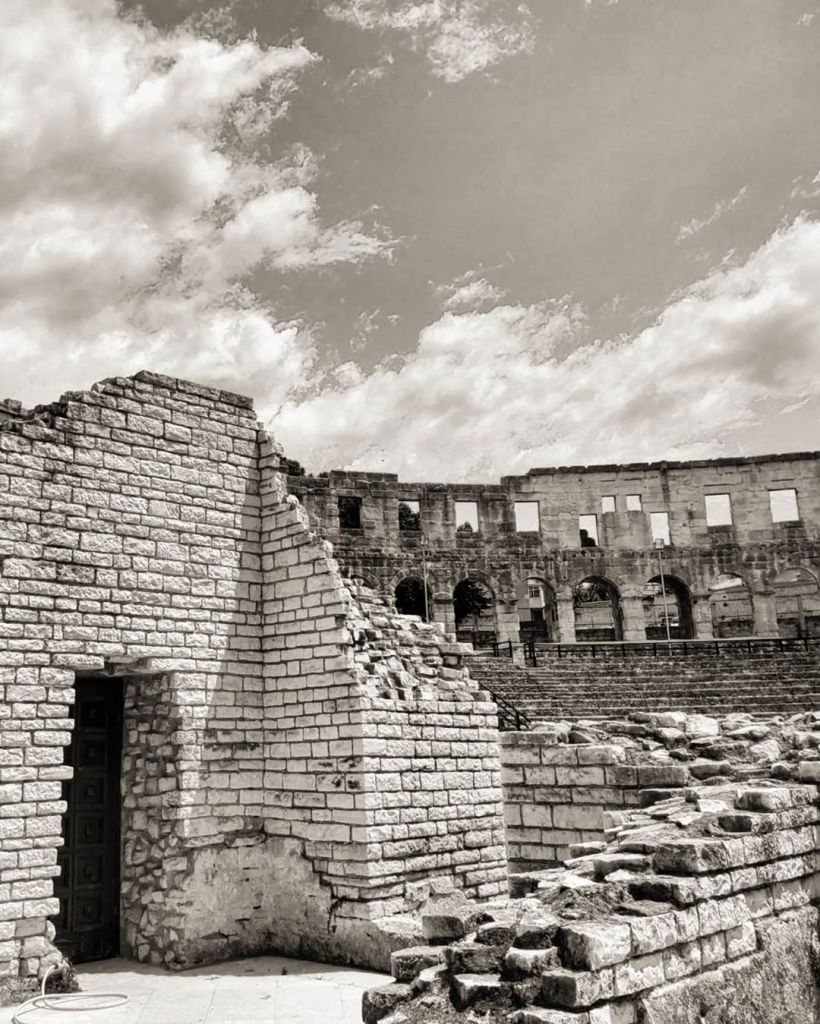
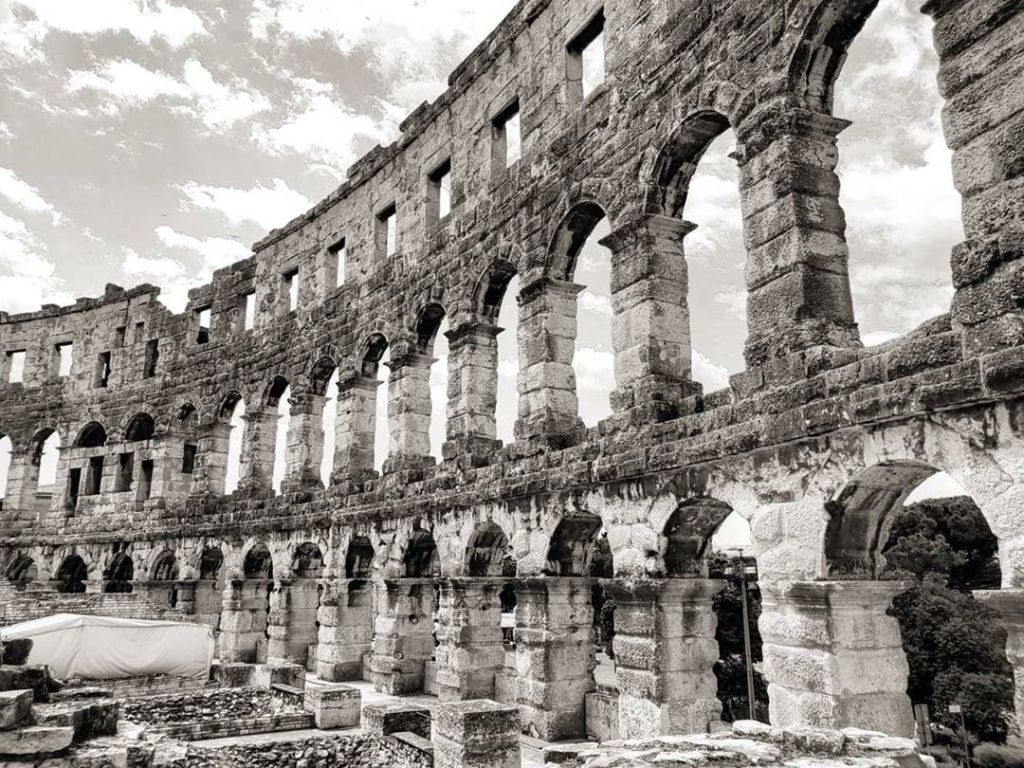
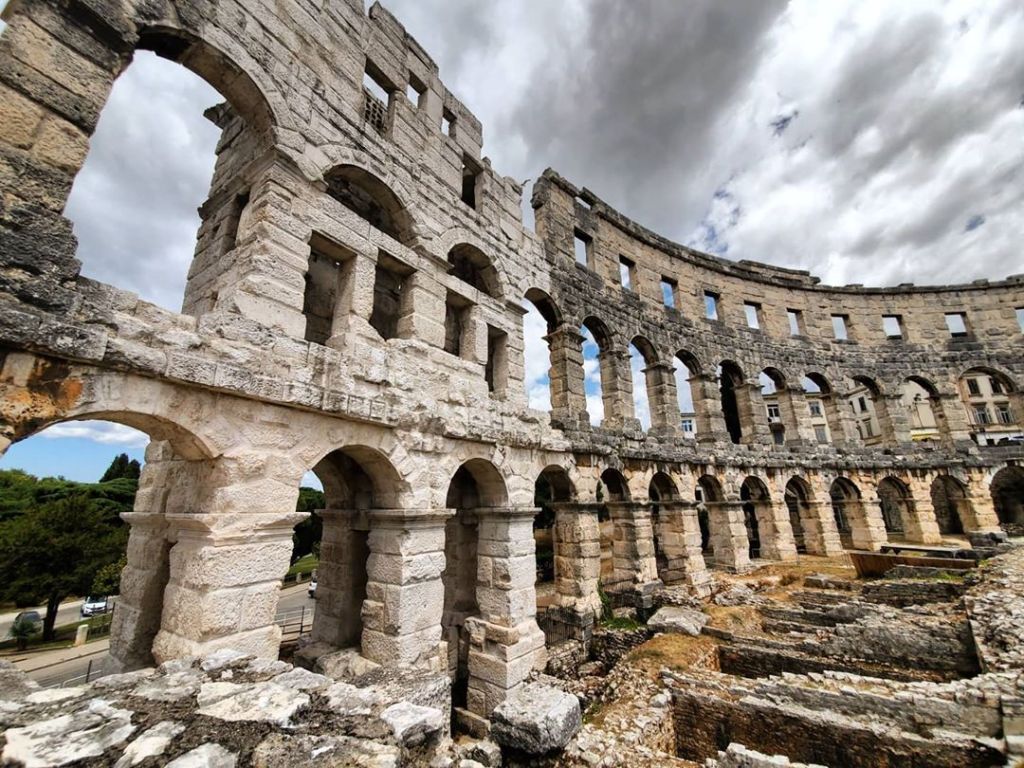
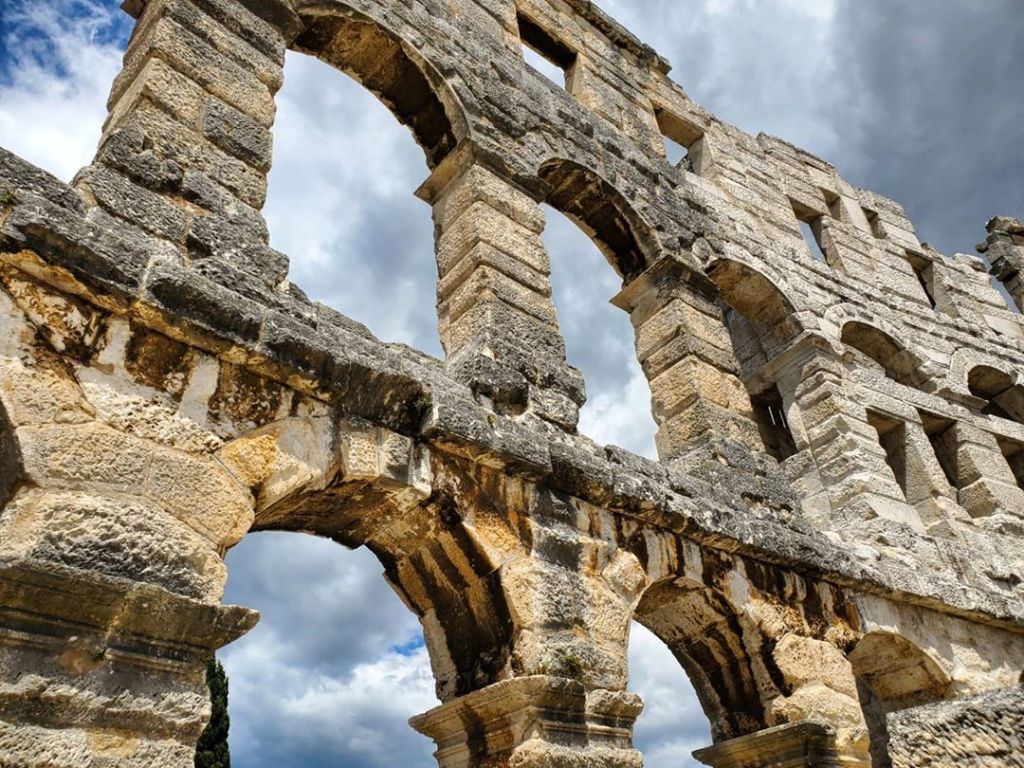
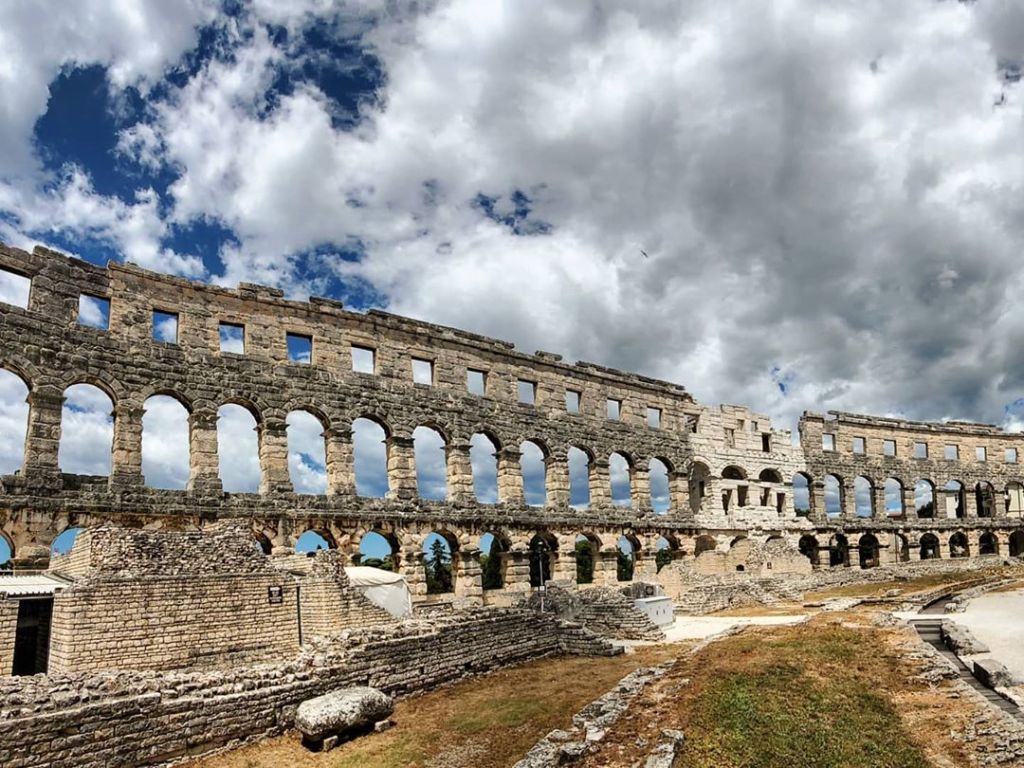
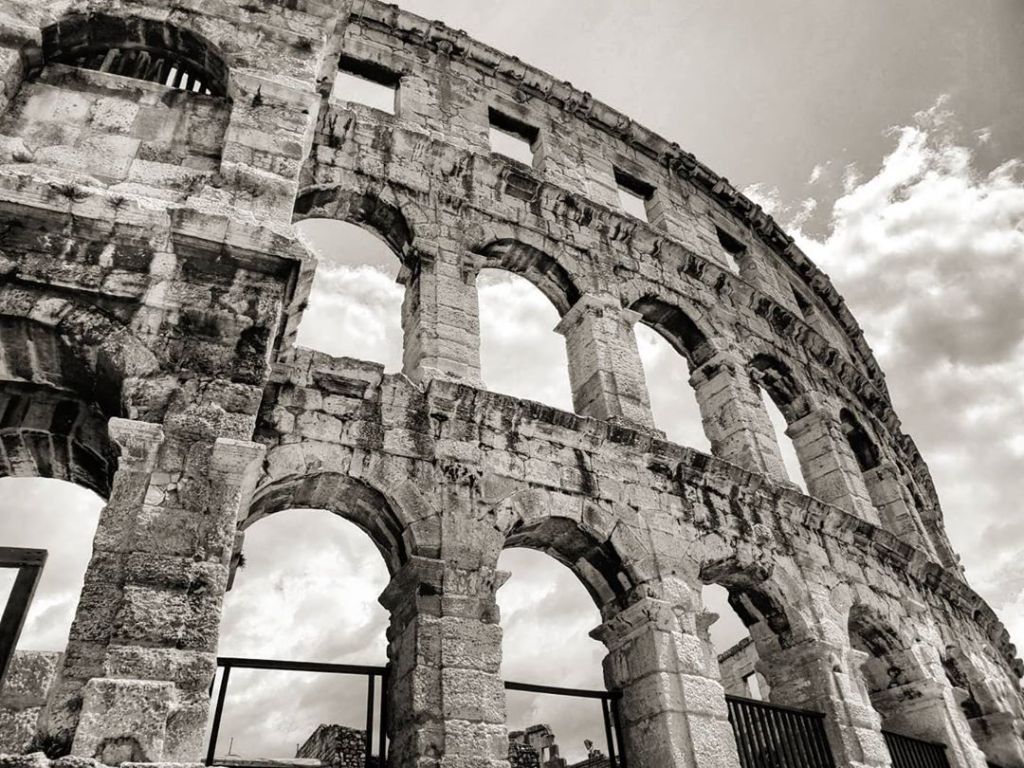
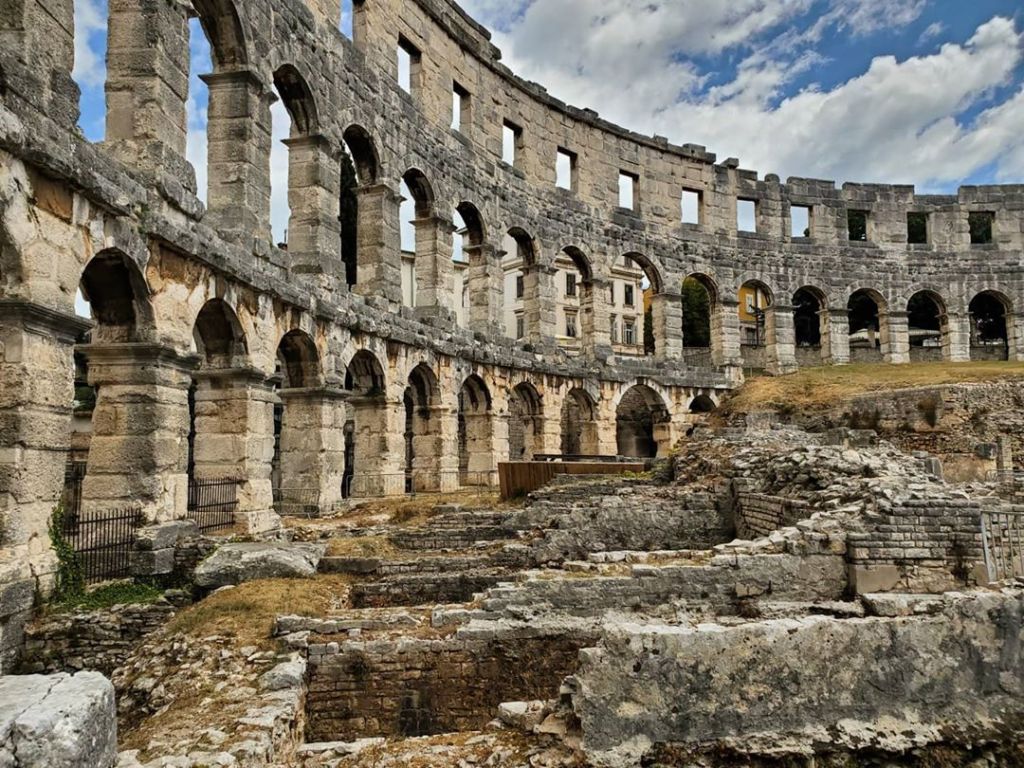
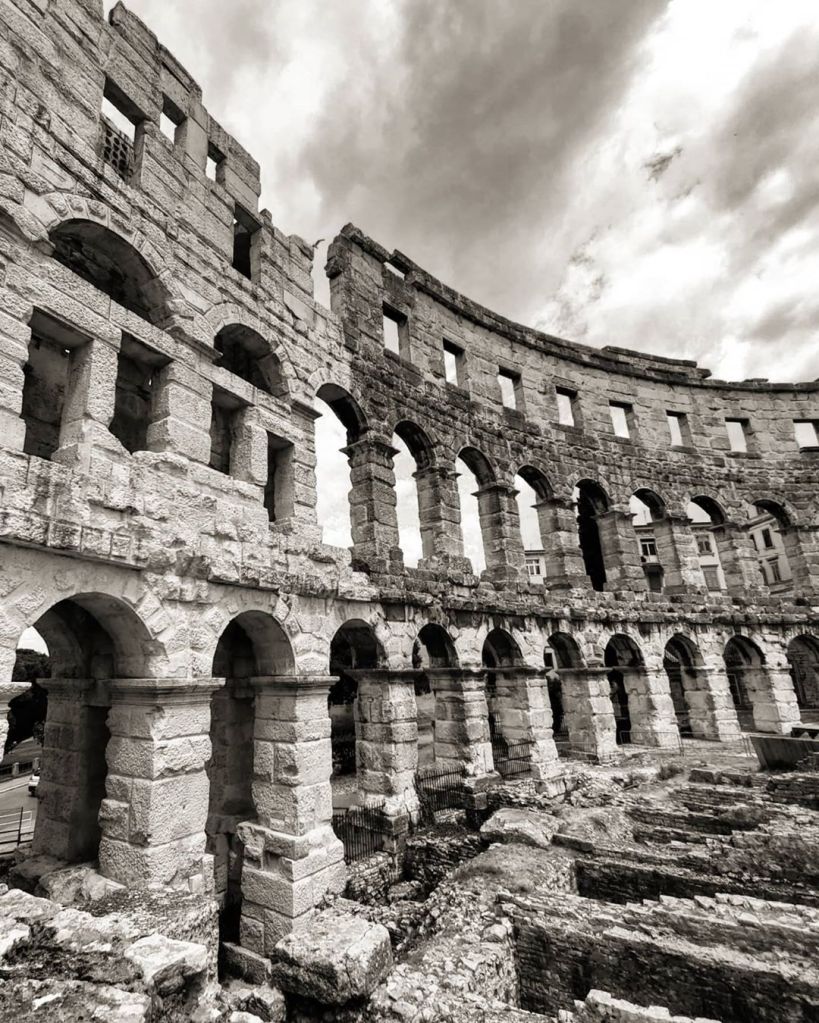
The city is best known for its many surviving ancient Roman buildings, the most famous of which is its 1st-century AD amphitheater, which is among the six largest surviving Roman arenas in the world.
Throughout it’s history the amphitheater was used for gladiatorial combats, combat between convicts, (particularly those sentenced to death) and human combat with wild animals.
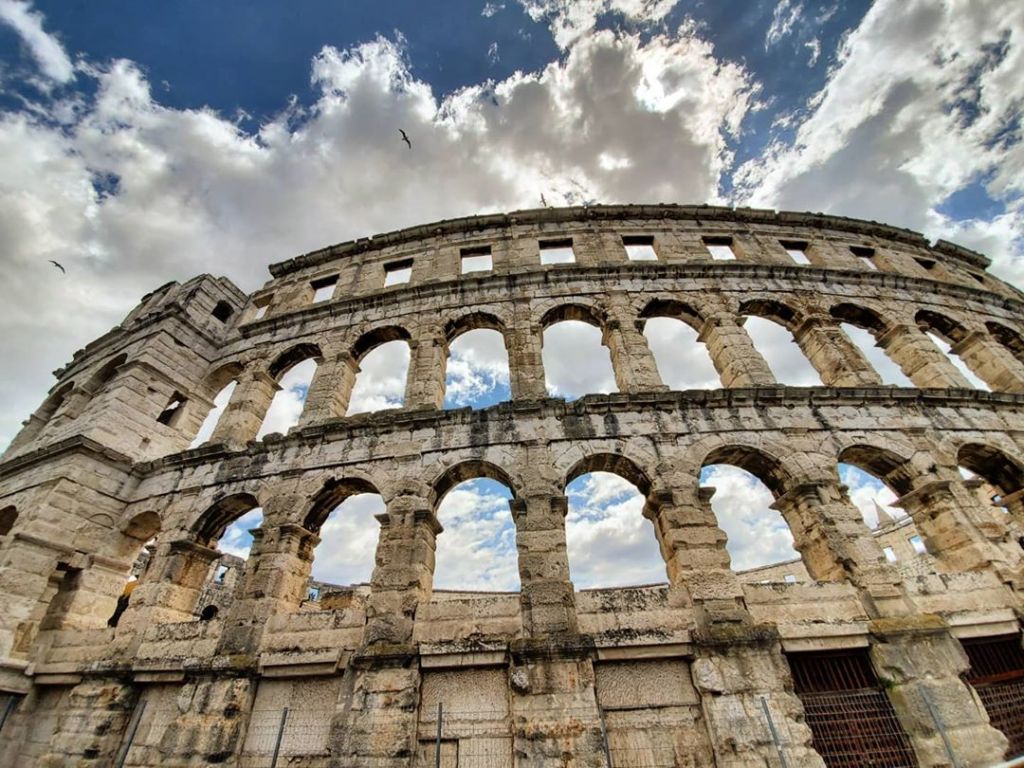
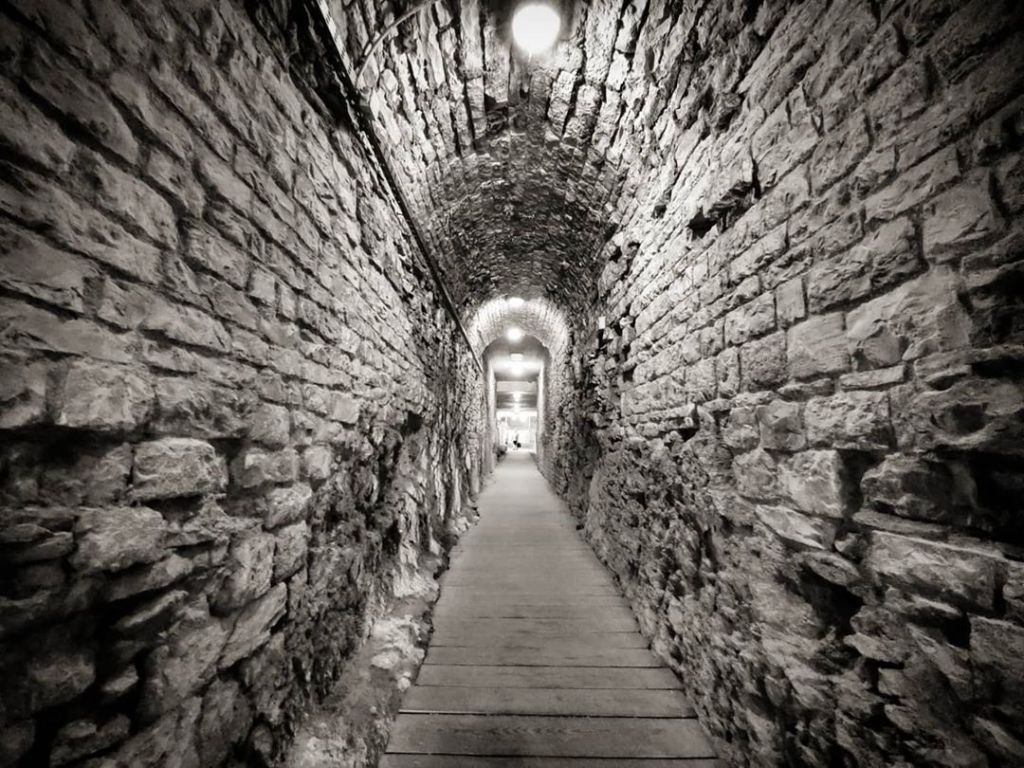
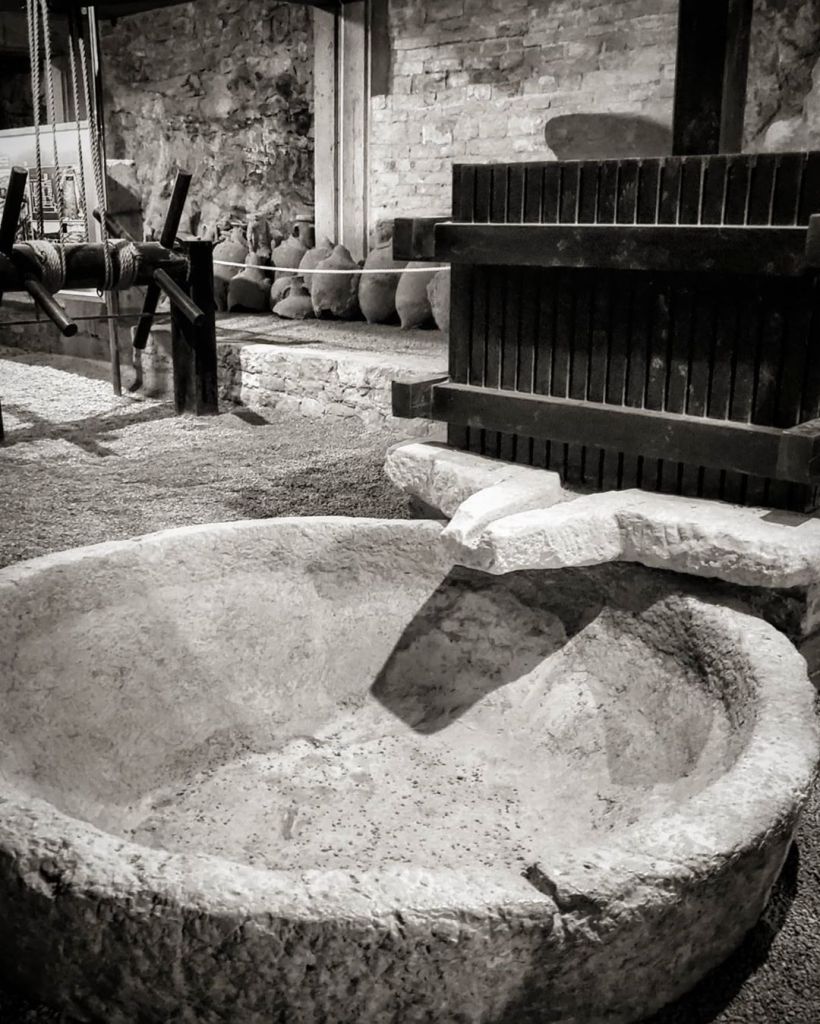
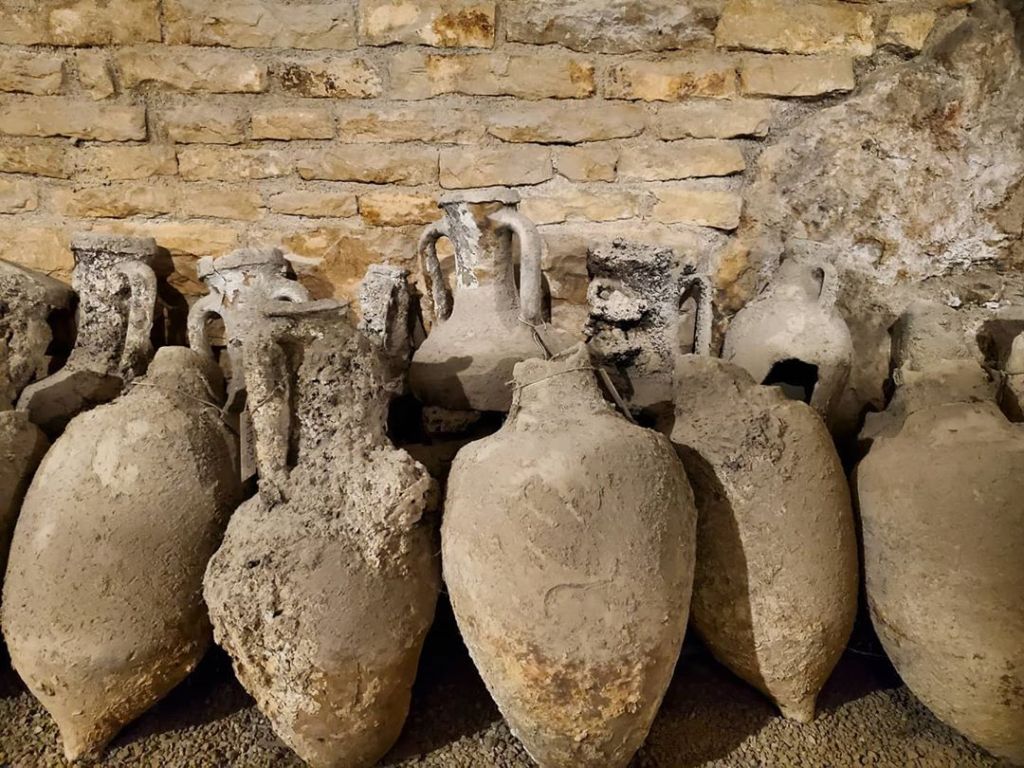
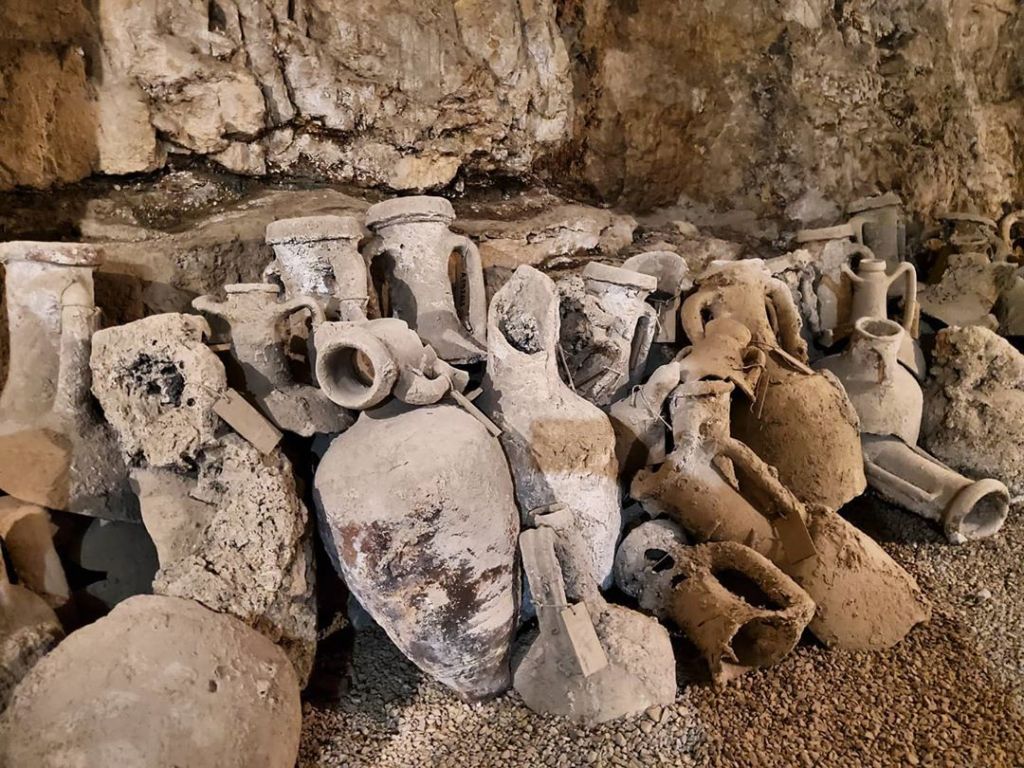
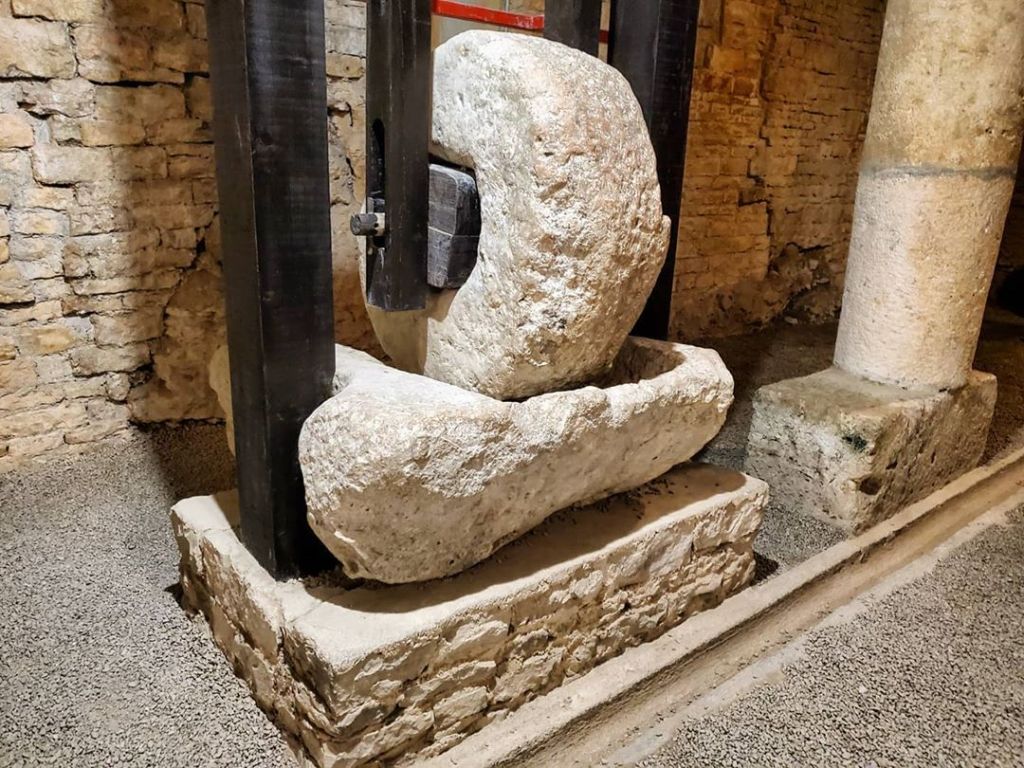
Beneath the fighting ring are the subterranean chambers that were used for animals and gladiators. The area is now used as a small museum that holds artifacts in their original condition, including many ceramic vessels and a large stone olive oil press.

Temple of Augustus
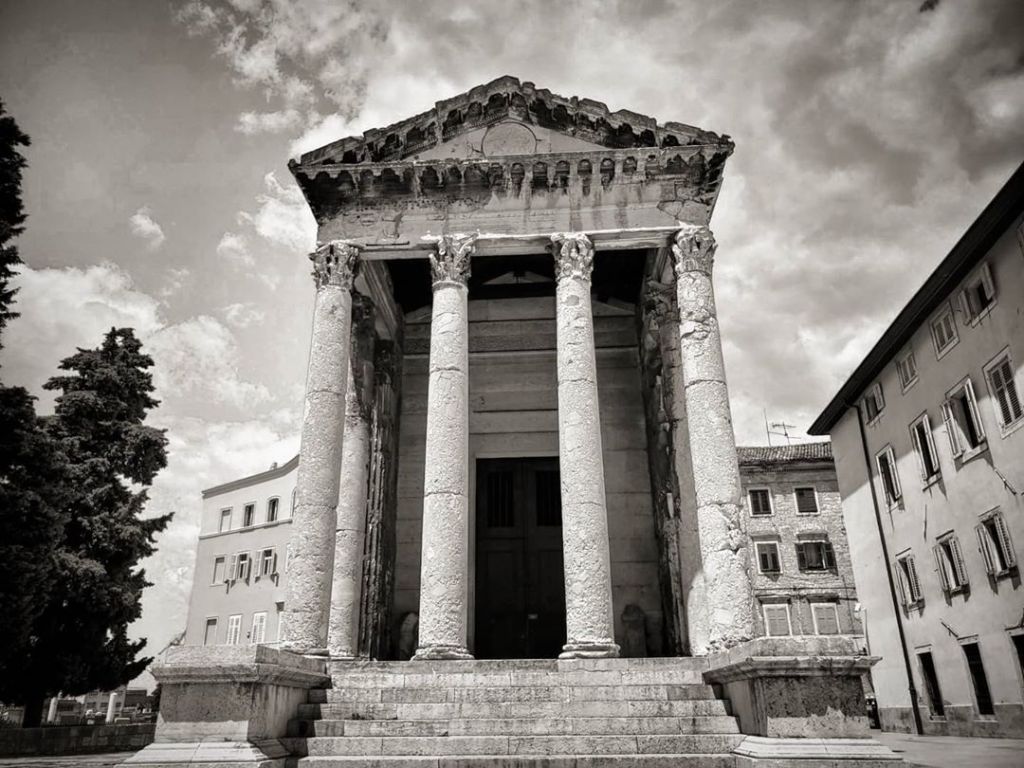
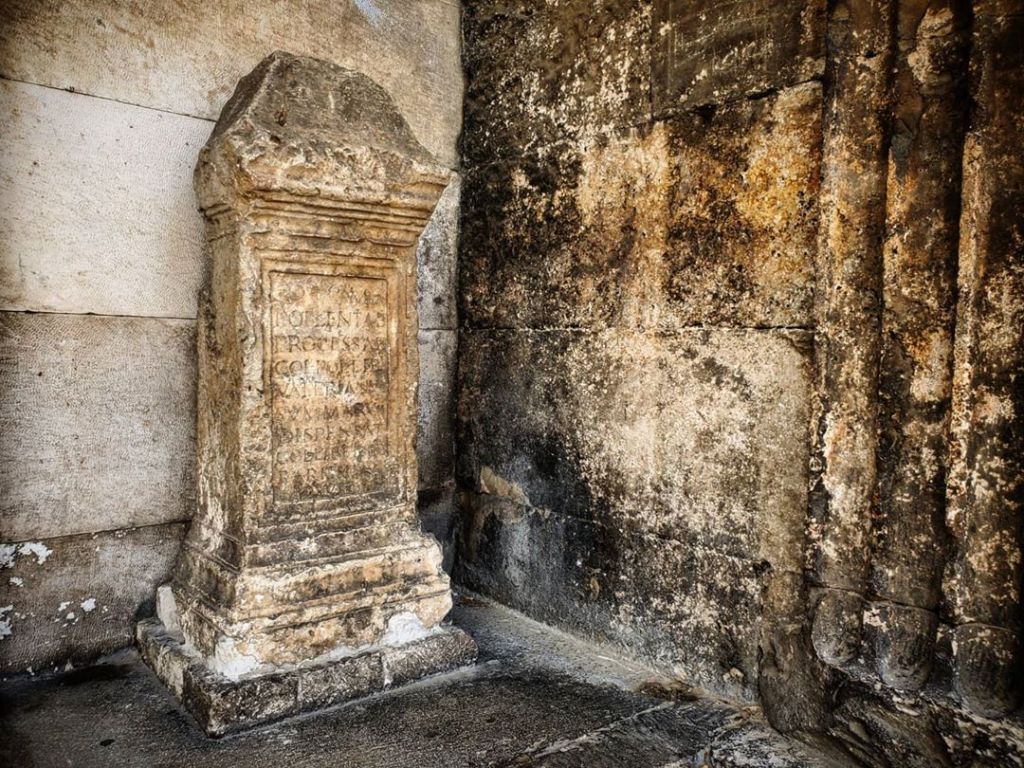
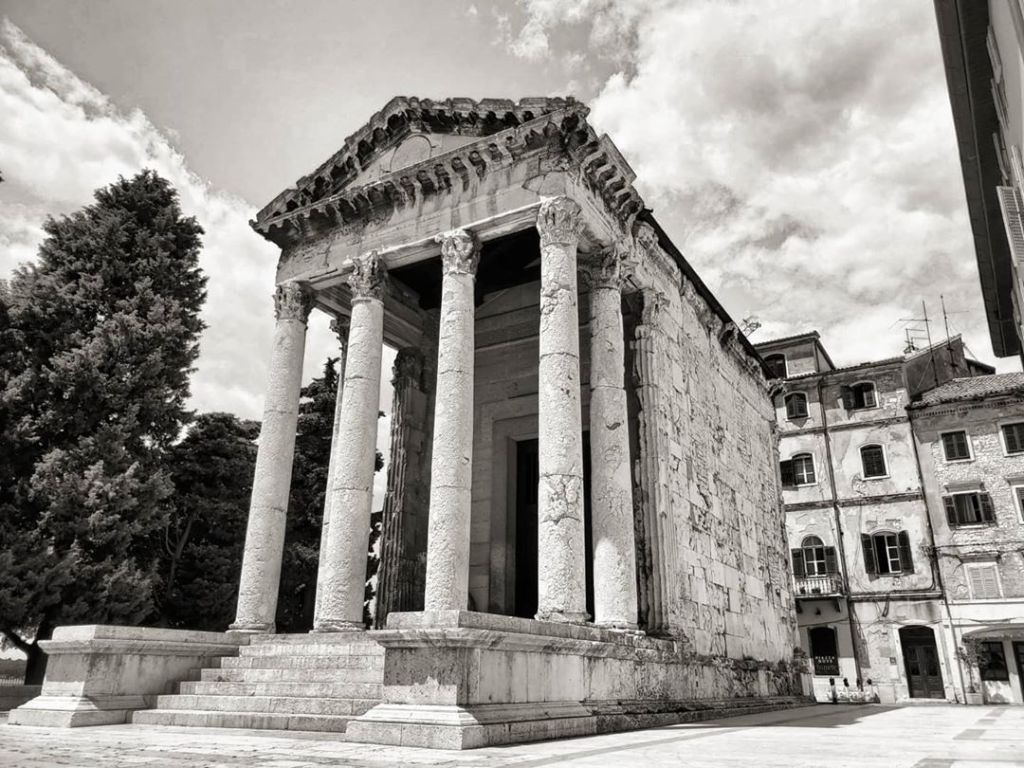
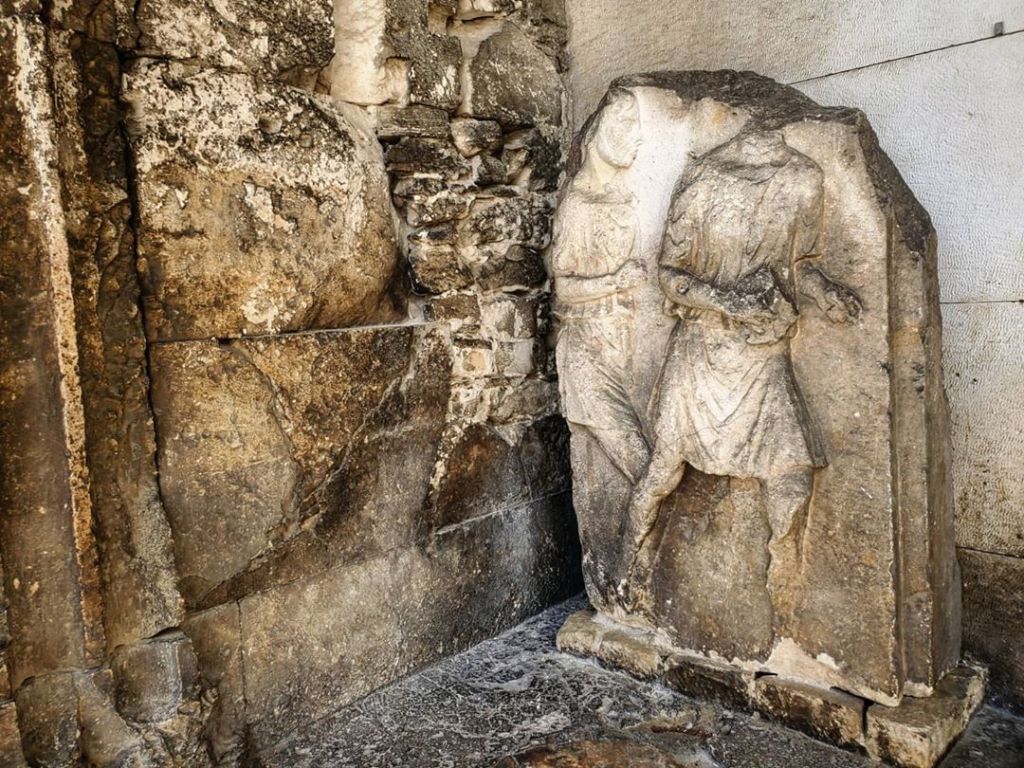
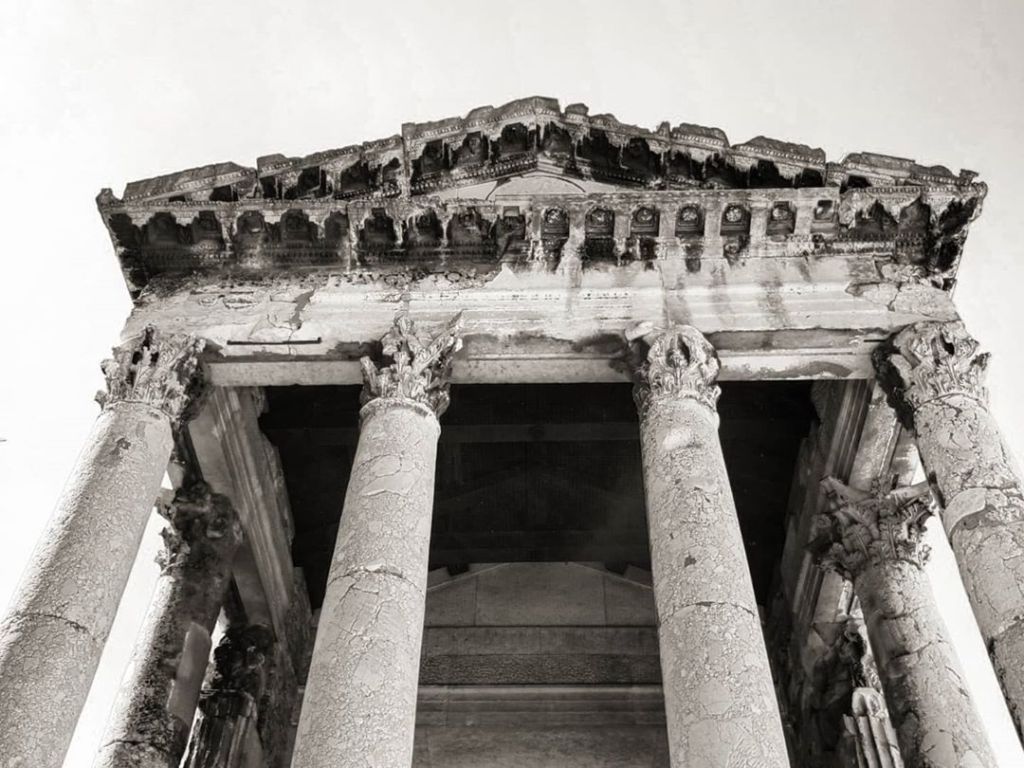
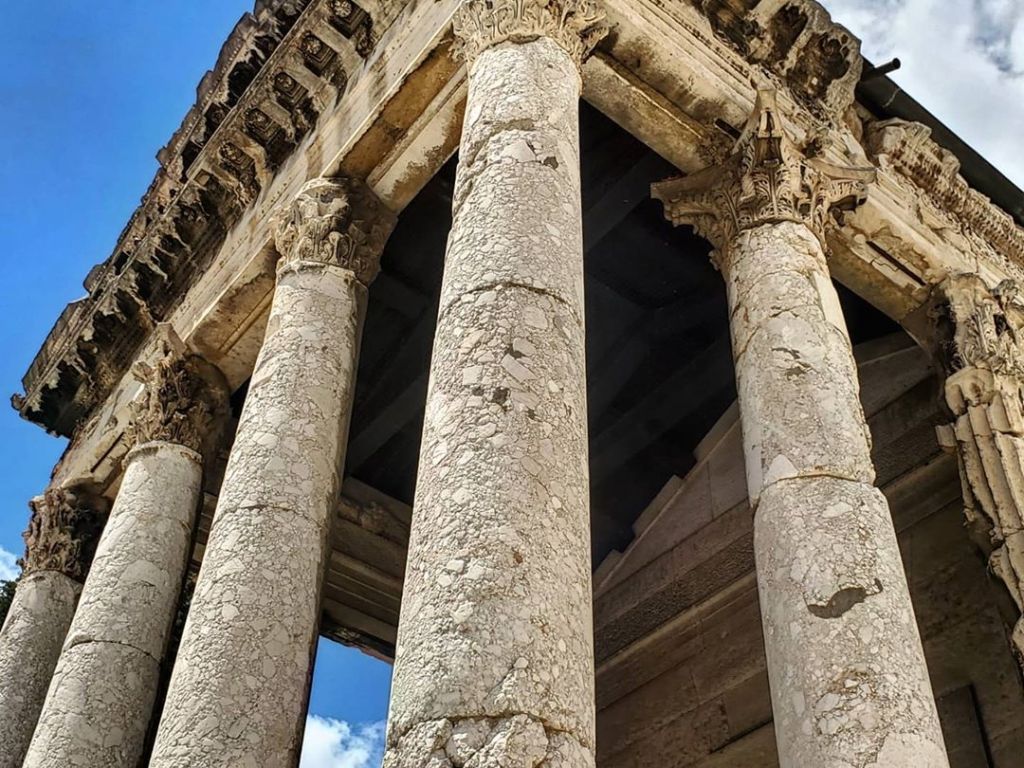
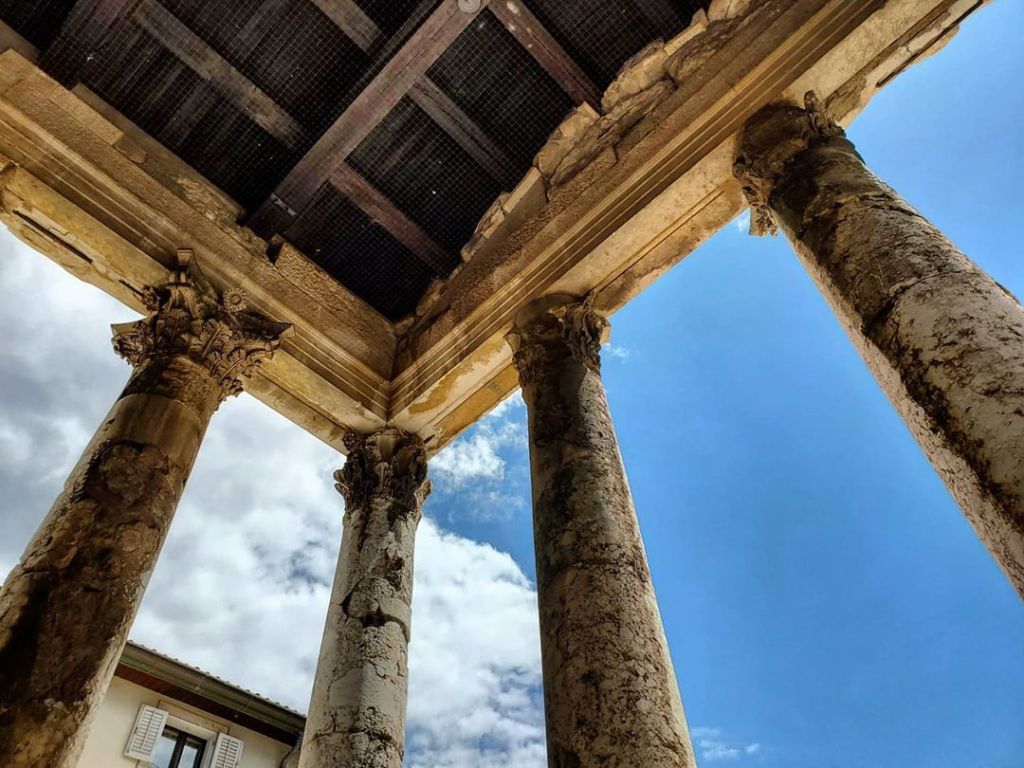
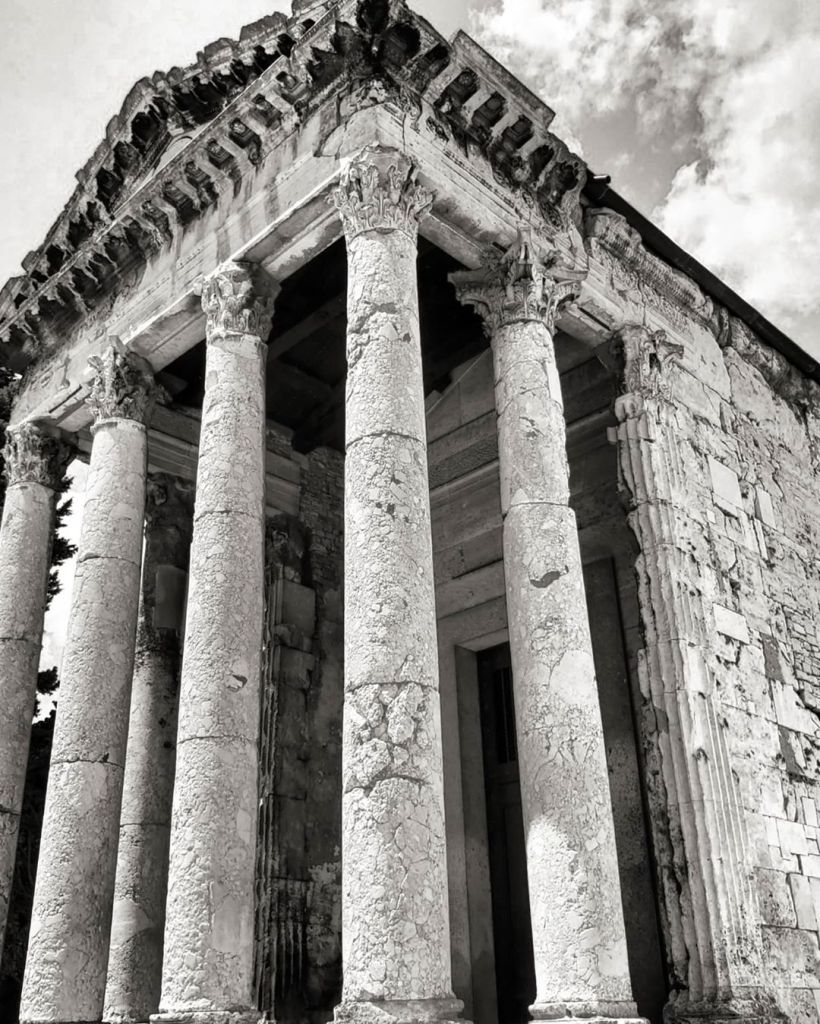
Very close to the amphitheater we found the The Temple of Augustus. This is a well-preserved Roman temple in the main square of Old Town Pula.
Dedicated to the first Roman emperor, Augustus, it was most likely built during the emperor’s lifetime at some point between 27 BC and his death in AD 14.
Old Town
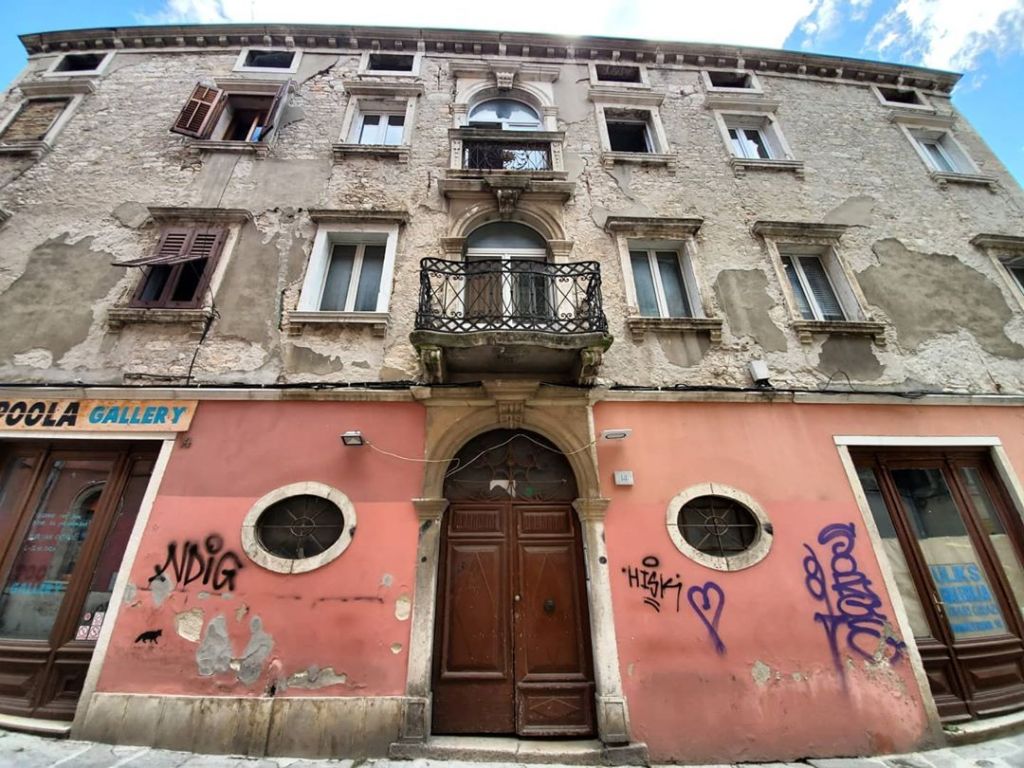
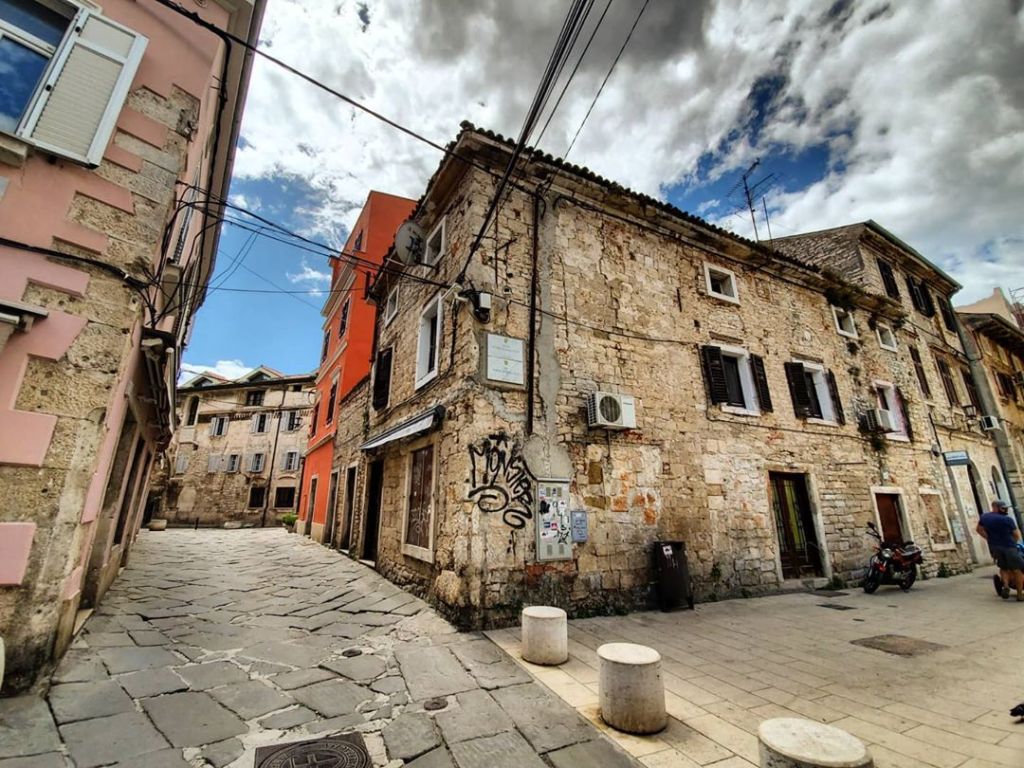
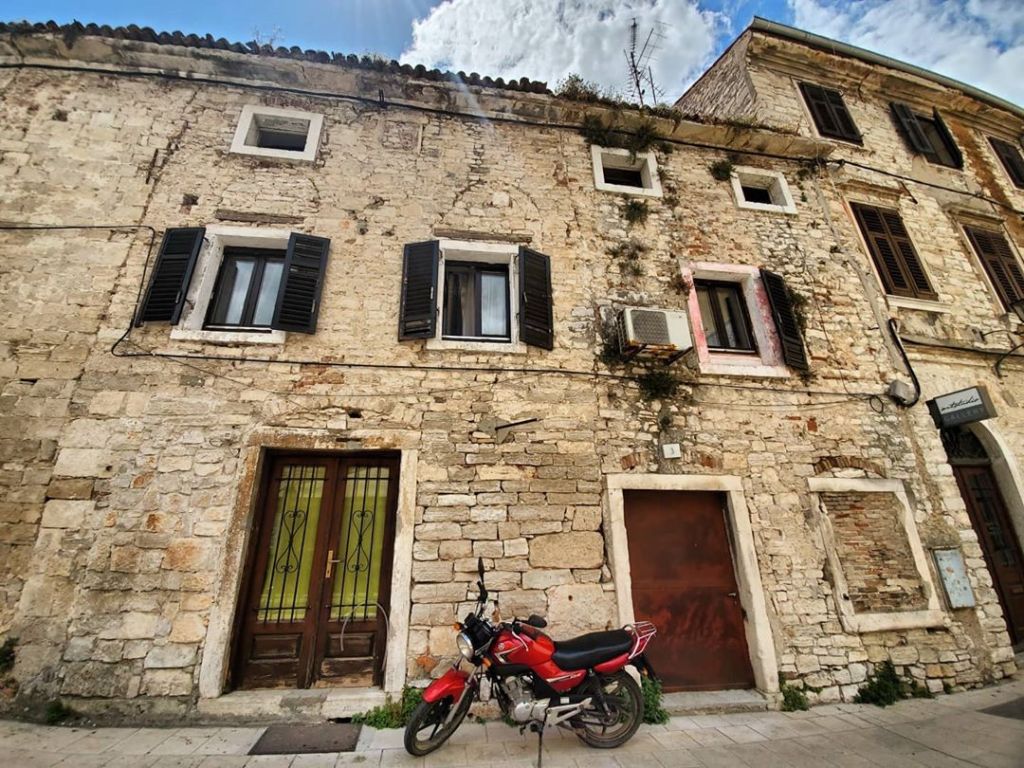
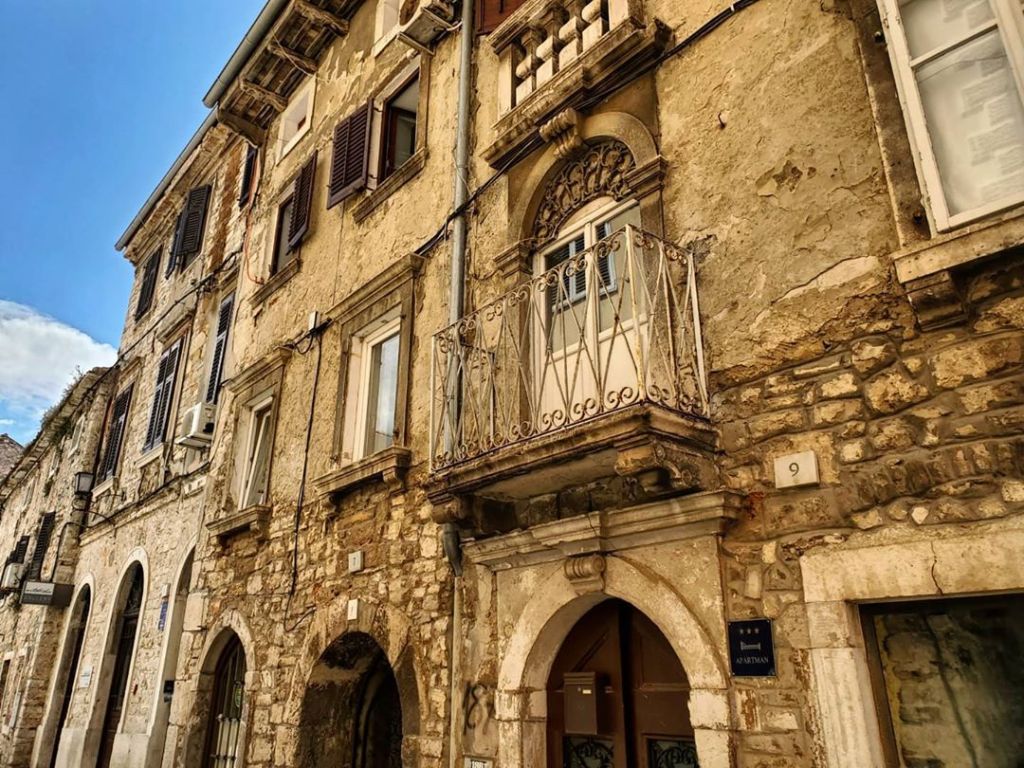
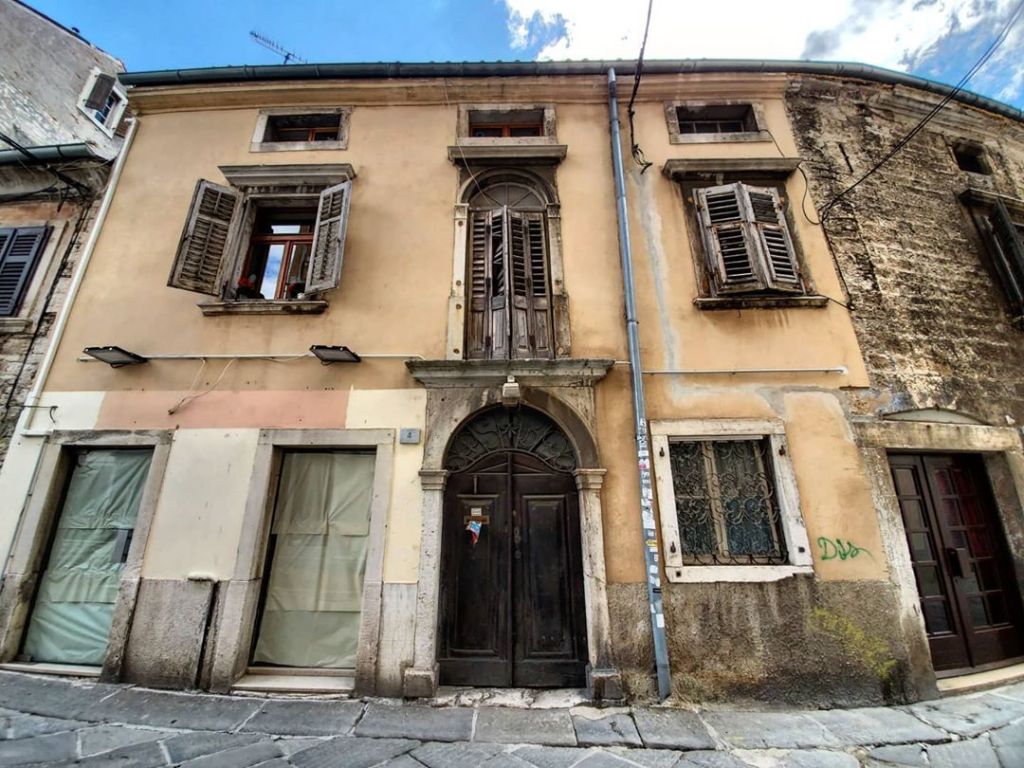
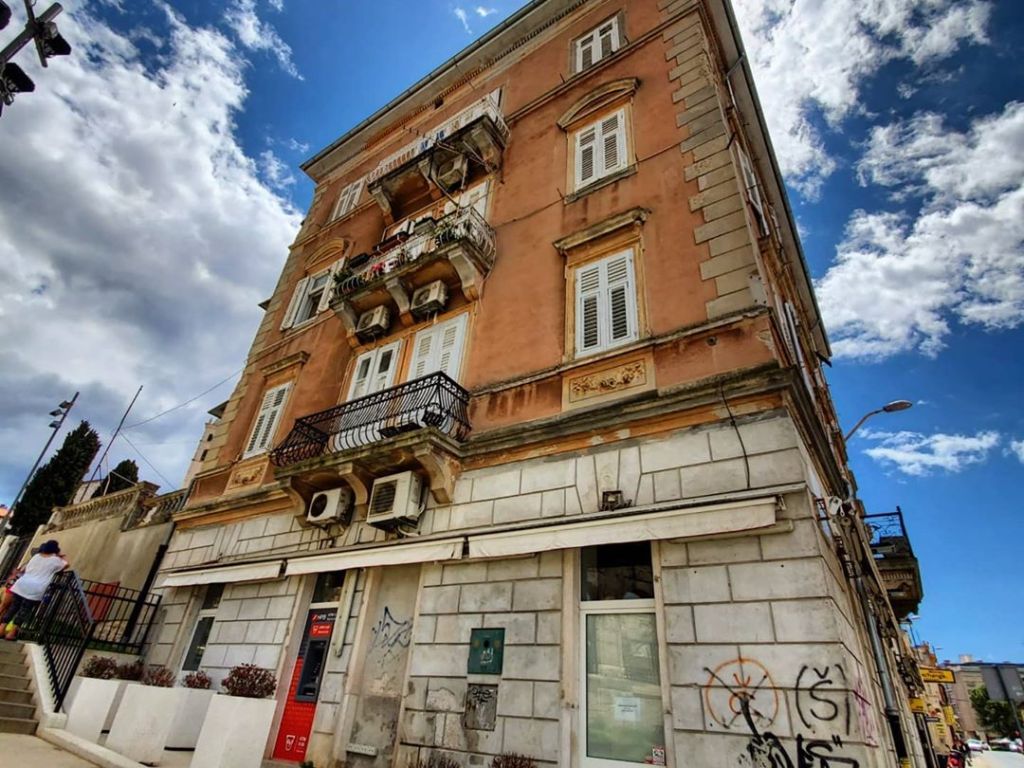
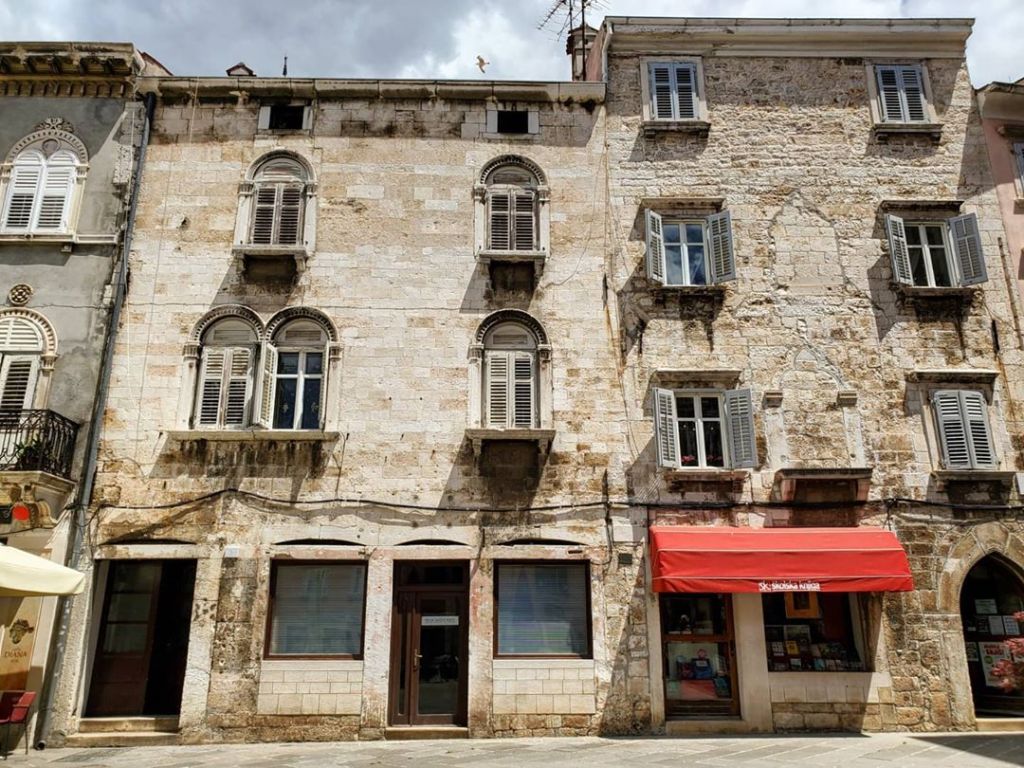
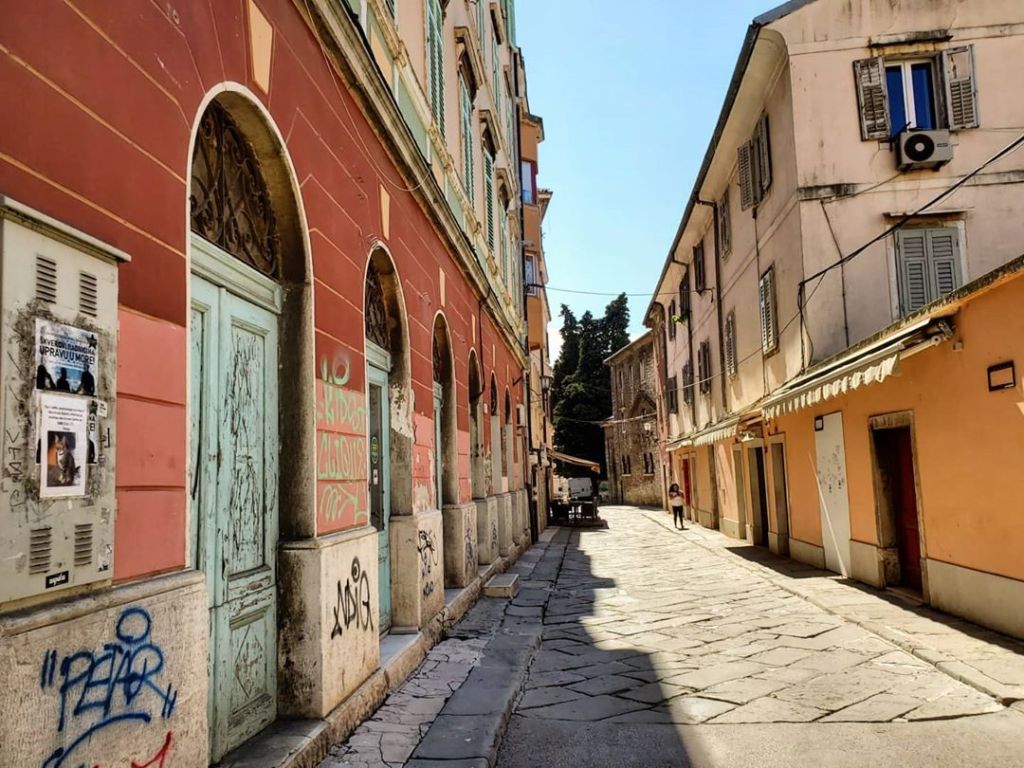
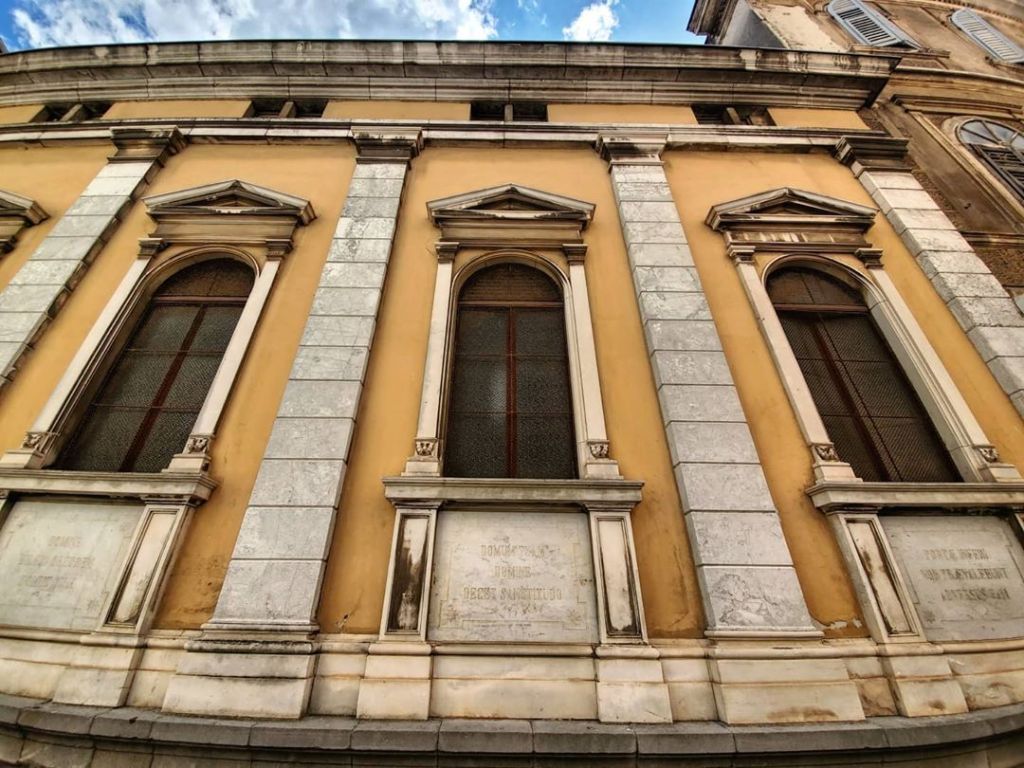
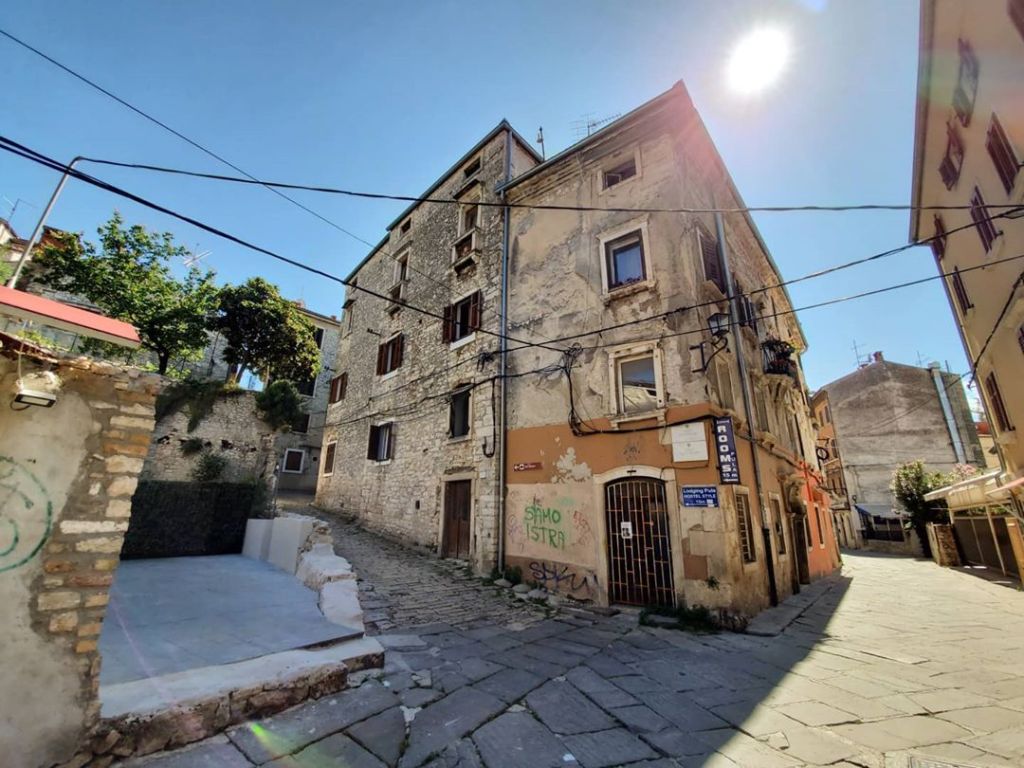
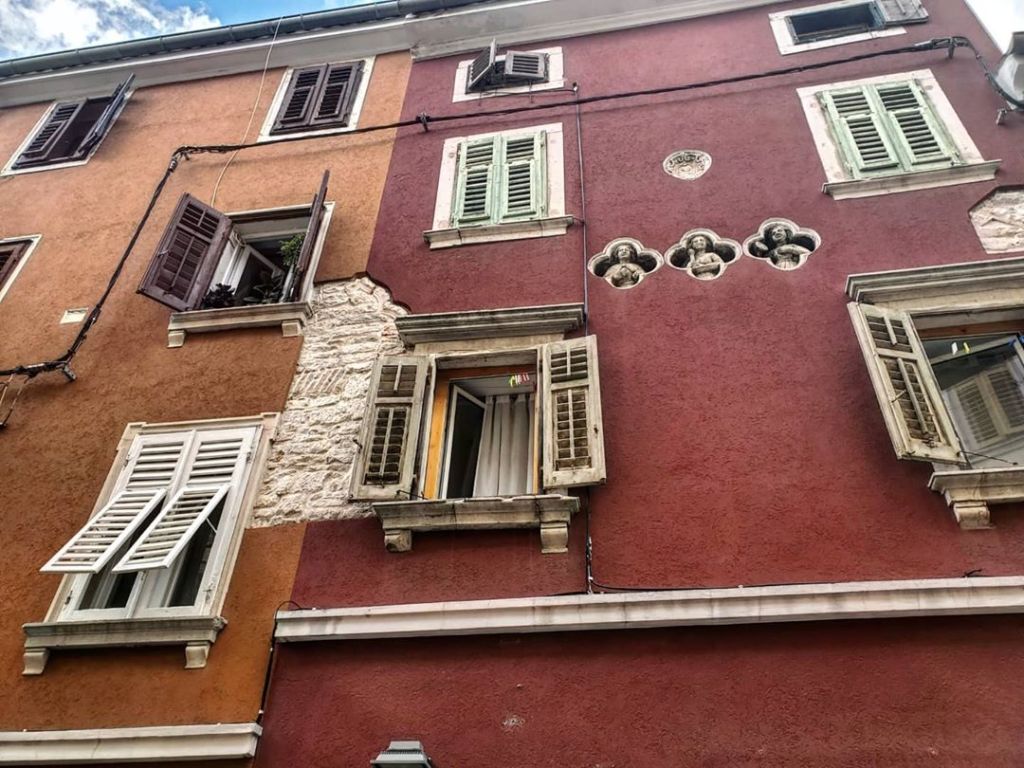
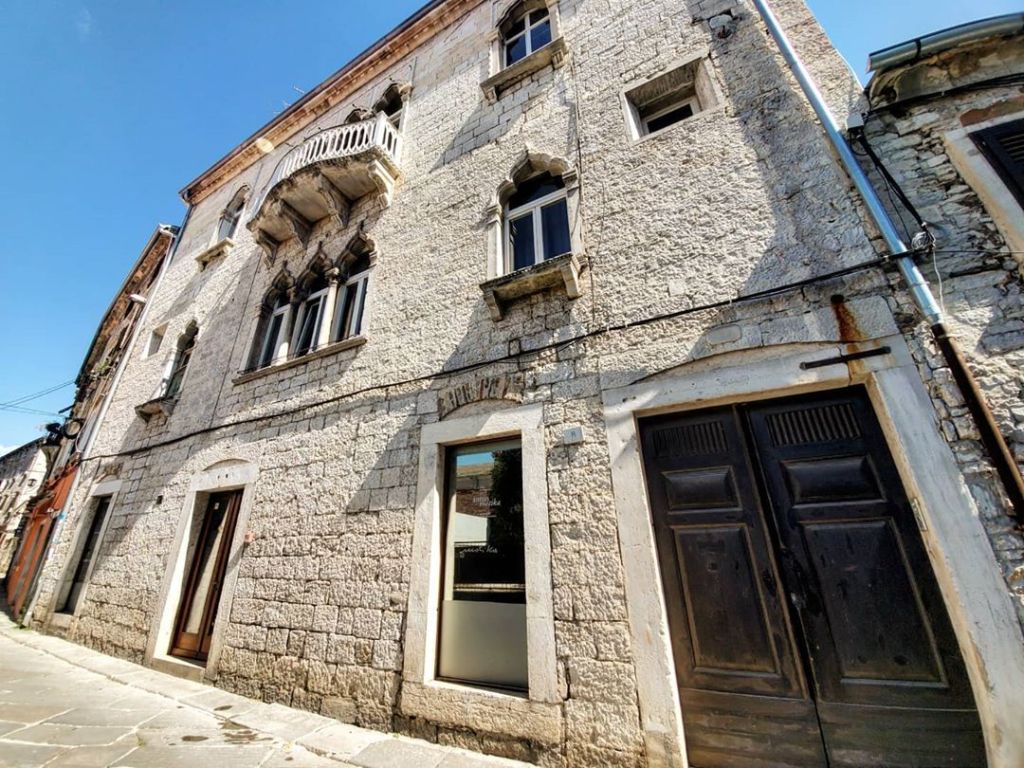
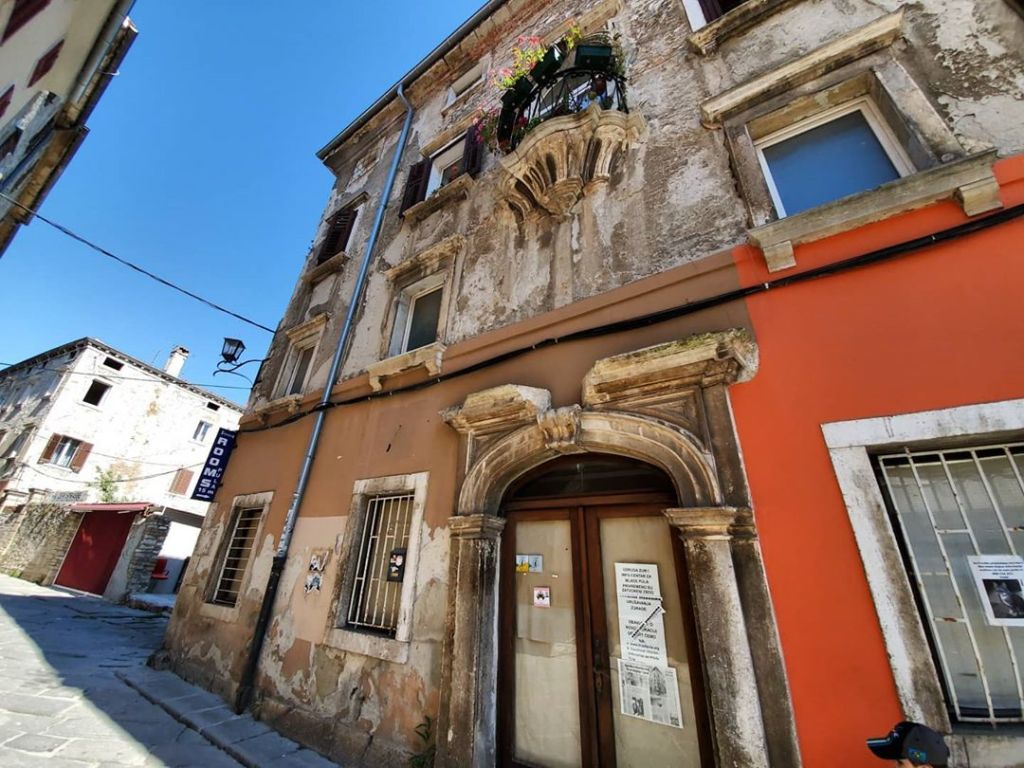
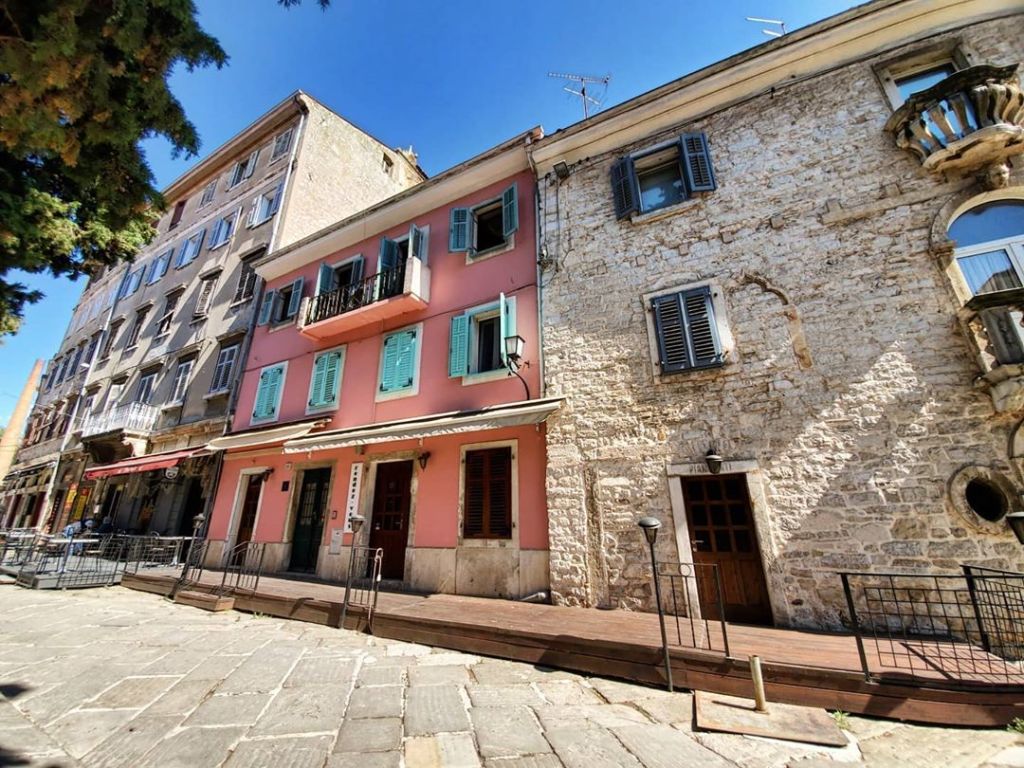
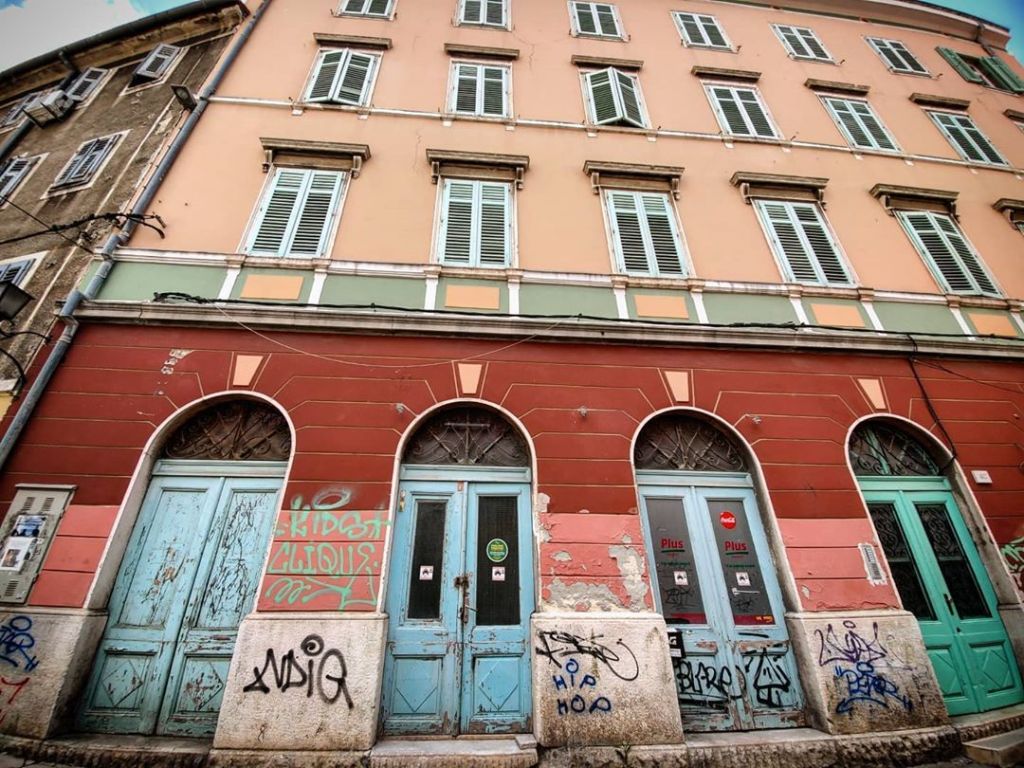
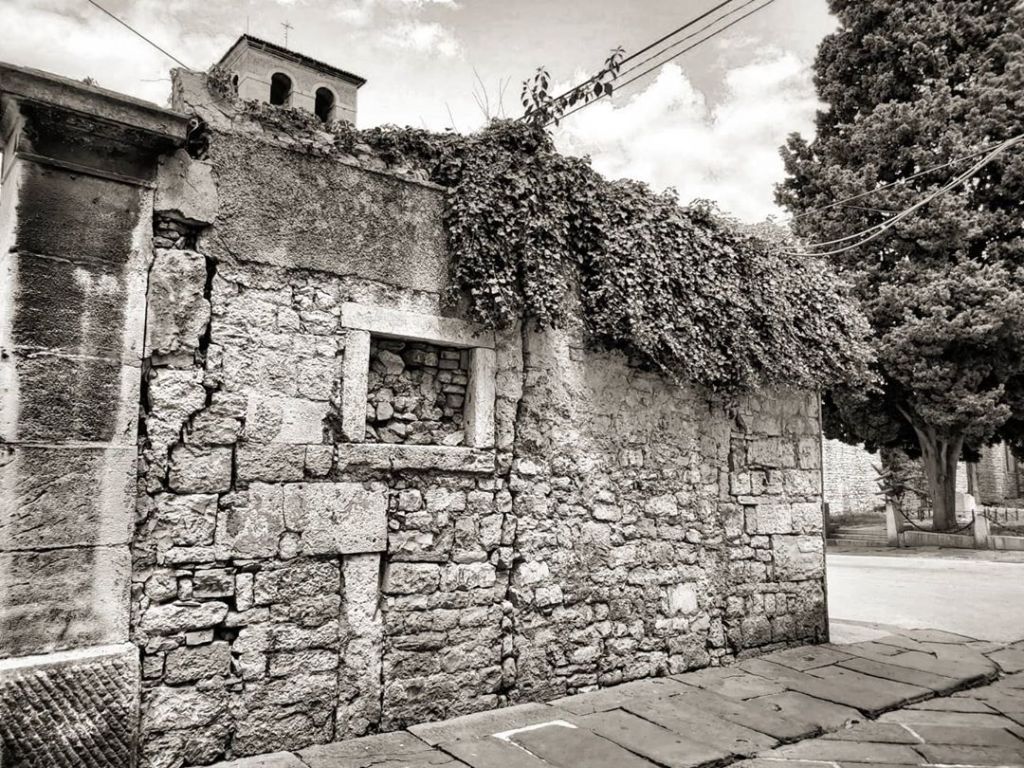
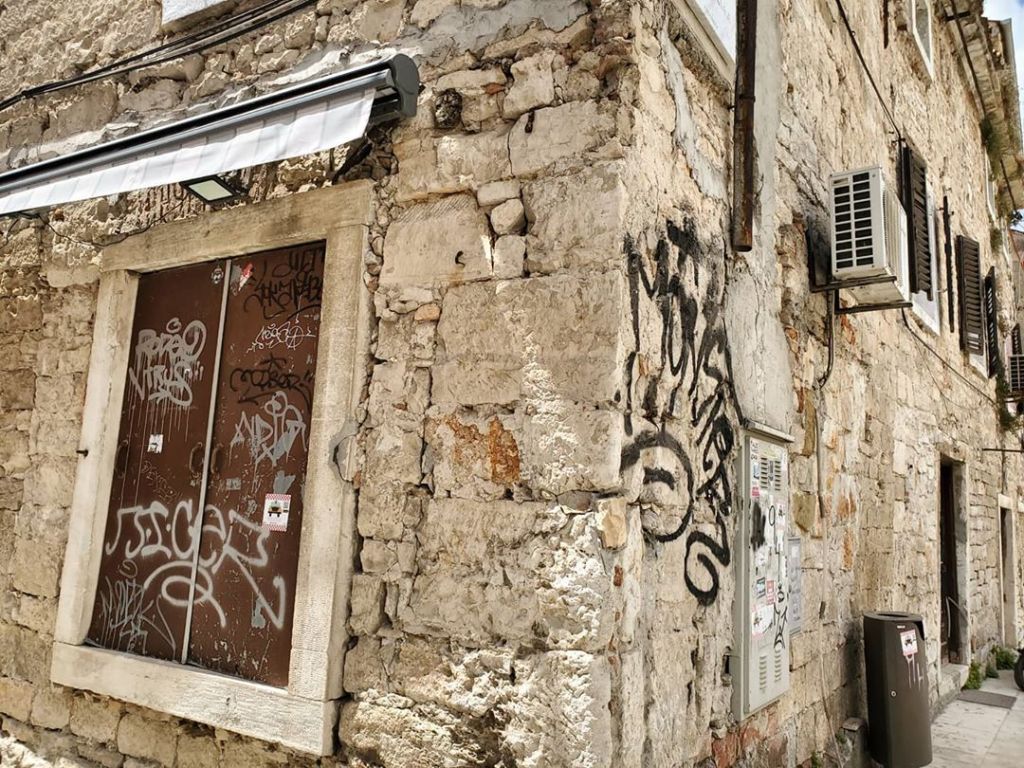
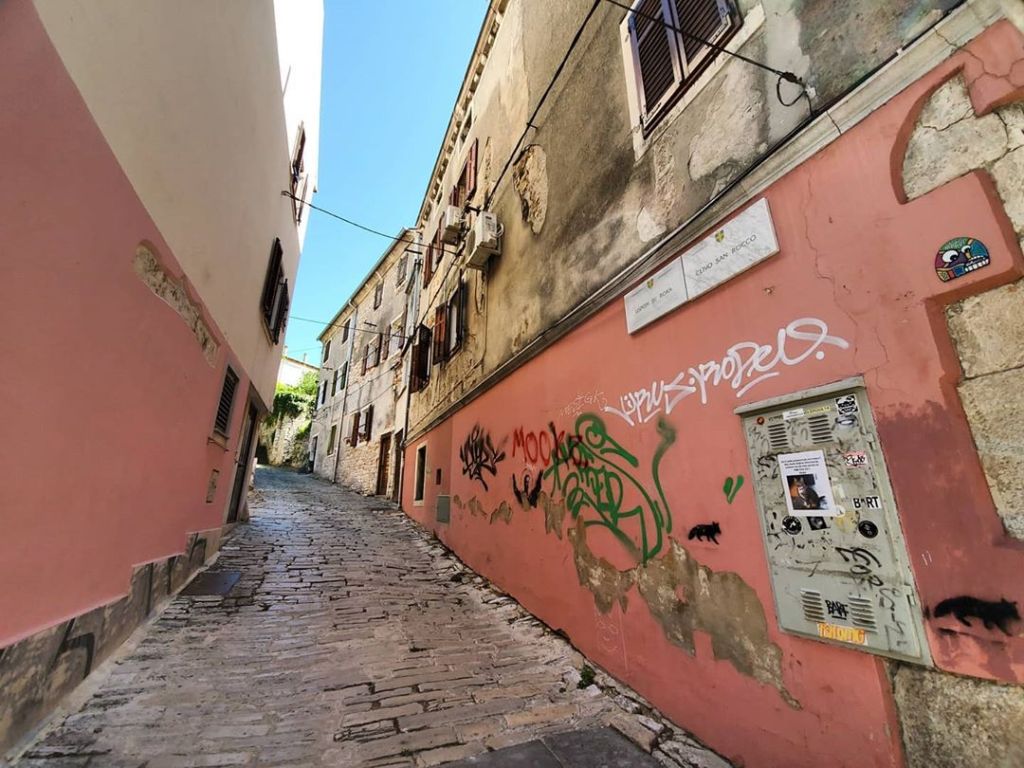
Like any great city in Europe, the old town is where you will find the historic core of the city. In Pula, (as well as most European cities and towns) you can walk down the narrow stone streets and see the most charming old buildings, ancient churches and amazing architecture.
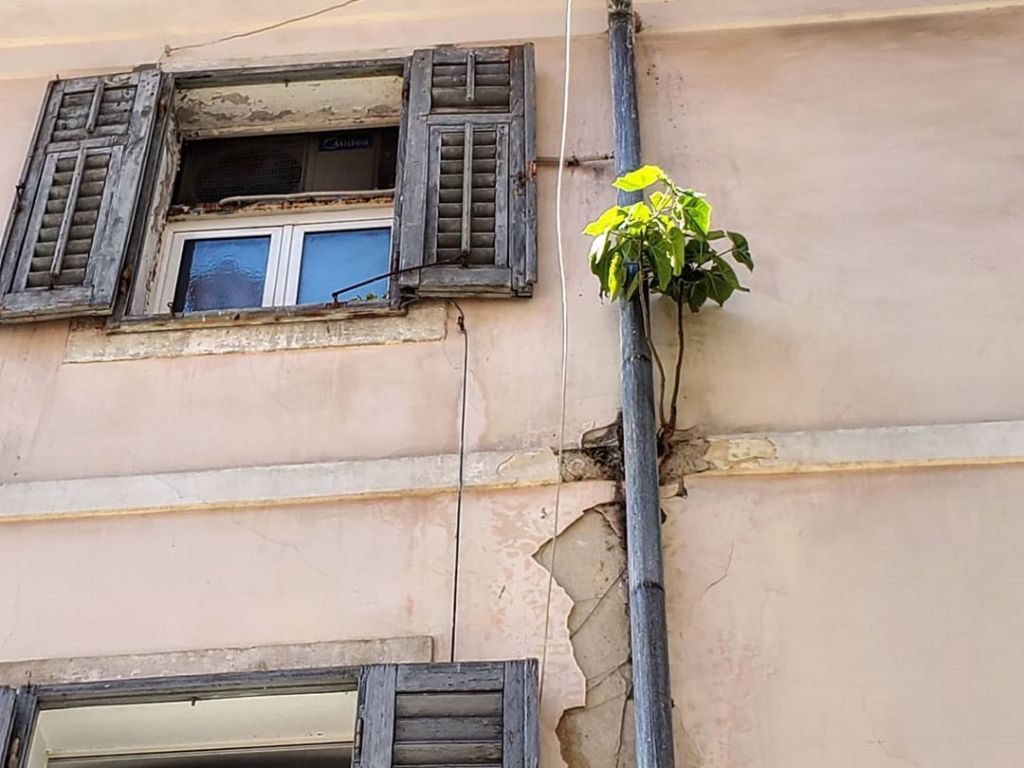
Most of the city’s architectural beauty can been seen when you look up at the romantic balconies full of potted plants and flowers, when you can get a quick look through the huge ornate open windows into the living, breathing and pulsing heart of such beautiful buildings.
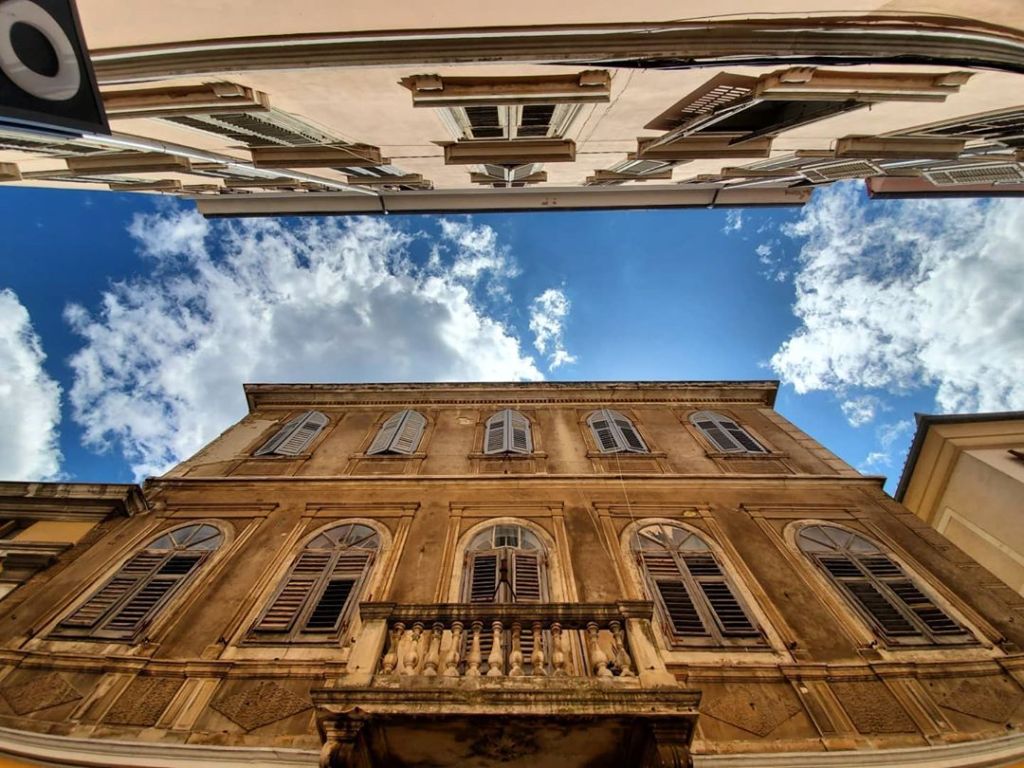
The old town areas almost always restrict cars so wandering the streets is much more enjoyable. There are town squares with old churches that are usually open and free to enter.
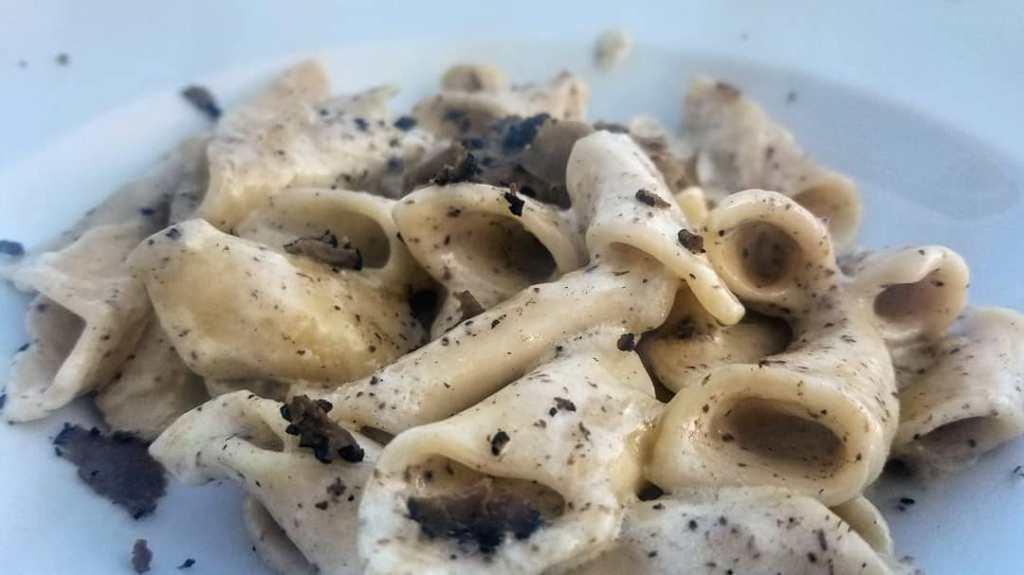
Just sitting with an espresso and people watching could keep you happy for hours. The coffee, food and wine is amazing in Croatia…and Istria just happens to be the olive oil and truffle capital of the world!






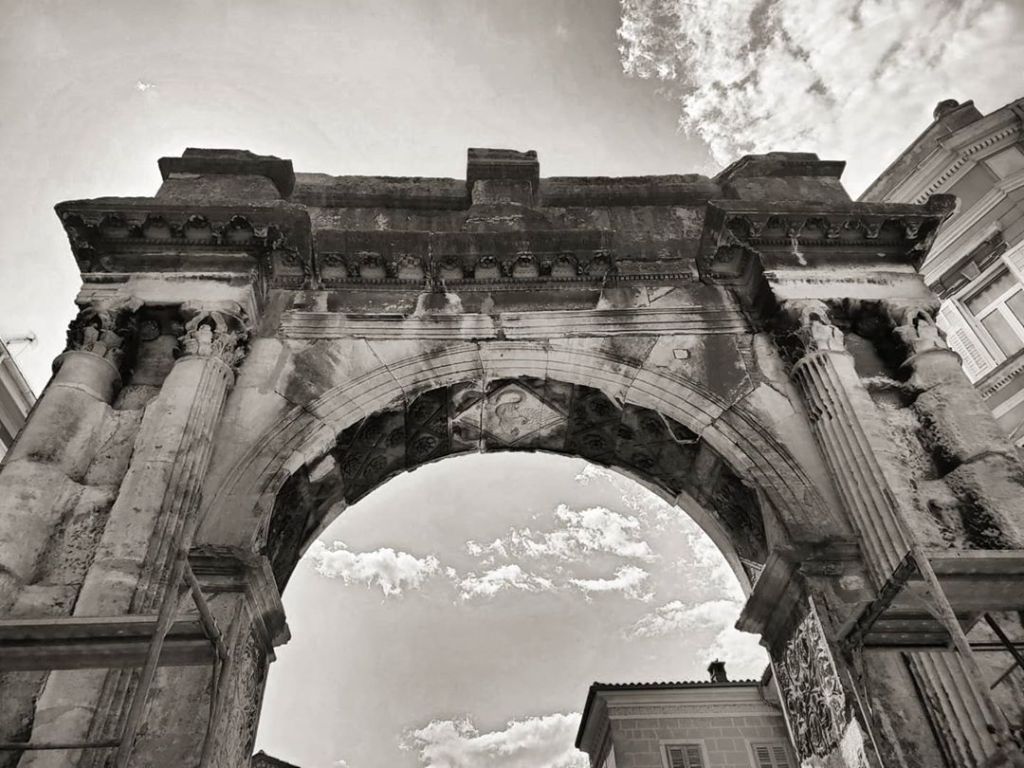
The Arch of the Sergii
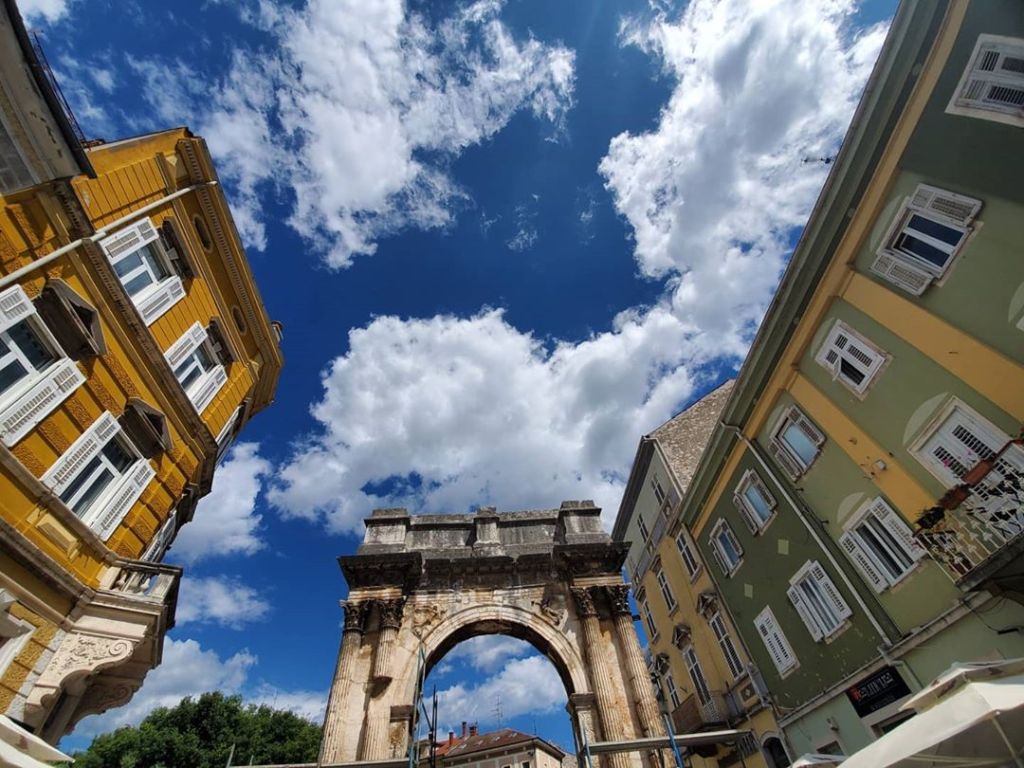
The arch was constructed around 29-27 BC and stood as the original gate to the city. The arch commemorates three members of the Sergii family, a tribune serving in the twenty-ninth legion that participated in the Battle of Actium and disbanded in 27 BC.
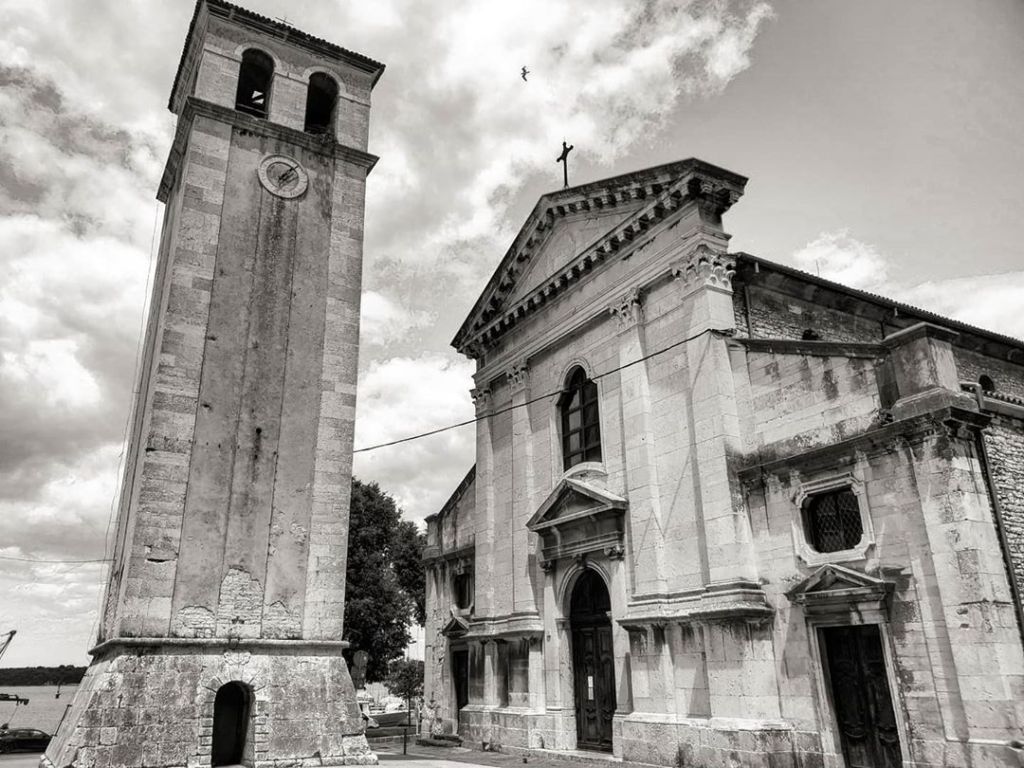
Cathedral of the Assumption of the Blessed Virgin Mary
The Pula Cathedral or Cathedral of the Assumption of the Blessed Virgin Mary is located on the south side of the Pula bay at the foot of the hill with the 17th century Venetian fort.
The site of the present-day church has been used for religious worship since ancient Roman times. The first Christian churches on the site were built in the late 4th and early 5th century AD.
It is believed that the site once hosted a temple dedicated to Jupiter Conservator in Roman times. Archaeological excavations also revealed ruins of Roman thermae (a large Roman bathing complex) on that location, and it is considered likely that during the Diocletianic Persecution local Christians used it for secret gatherings.
The Diocletianic Persecution was the last and most severe persecution of Christians in the Roman Empire. In 303, the Emperors issued a series of decrees rescinding Christians’ legal rights and demanding that they comply with traditional religious practices. Later decrees targeted the clergy and demanded universal sacrifice, ordering all inhabitants to sacrifice to the gods.
Why I have enjoyed this last year in Croatia…
What I really enjoy about Croatia is the simple fact that the country has not yet been plagued by over-tourism. Sure, there still are high tourist areas, like Dubrovnik or Split, where yachts dominate the coast line, but there are so many other places you can go to avoid crowds, overpaying, waiting in lines, avoid tourist traps and see more of the ancient cities and explore the islands and stunning coast of Croatia.
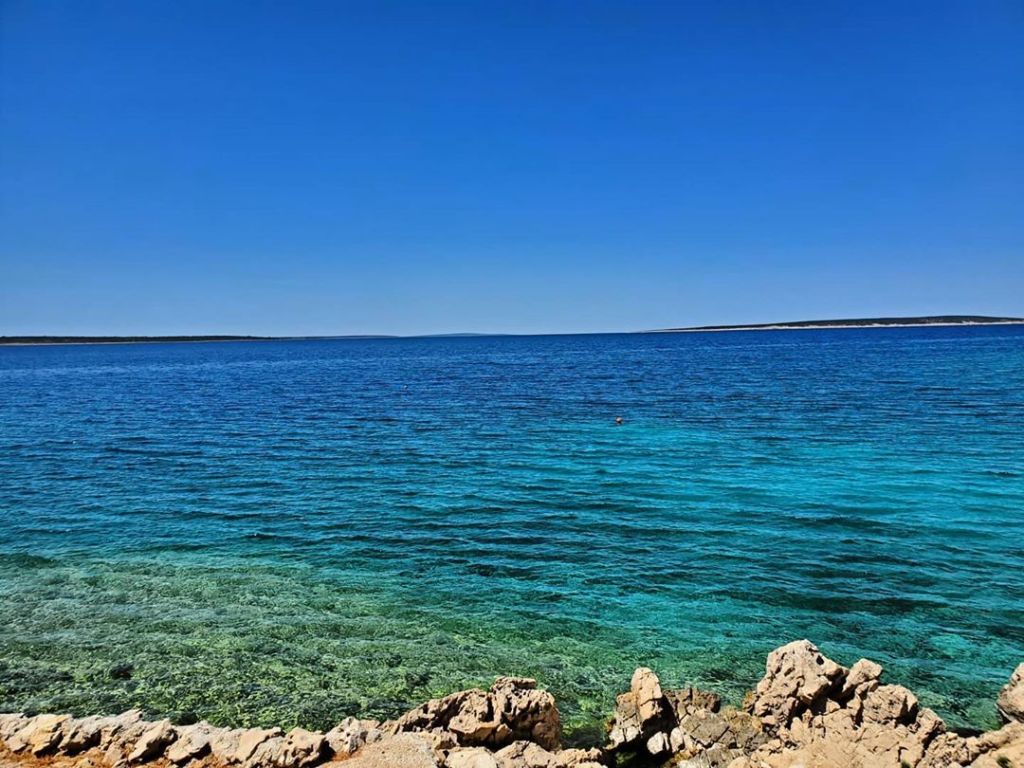
The stone pebble beaches with crystal clear water are the most beautiful I have ever seen and the coastal cities in Istria are what I always dreamt about before living in Europe.
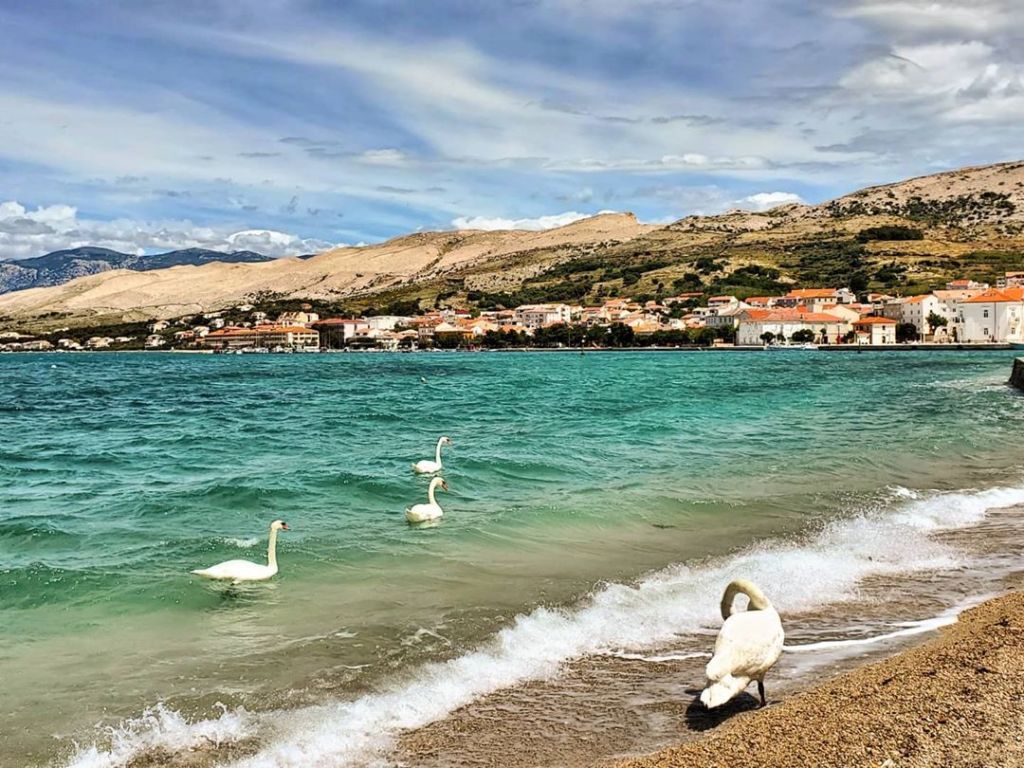
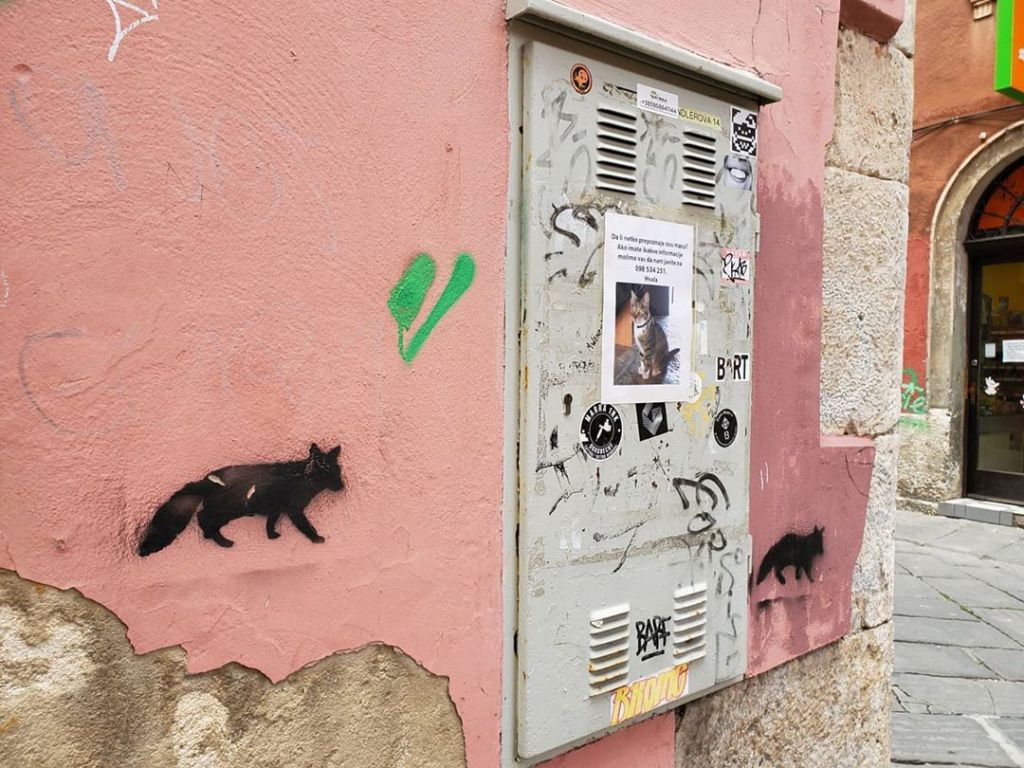
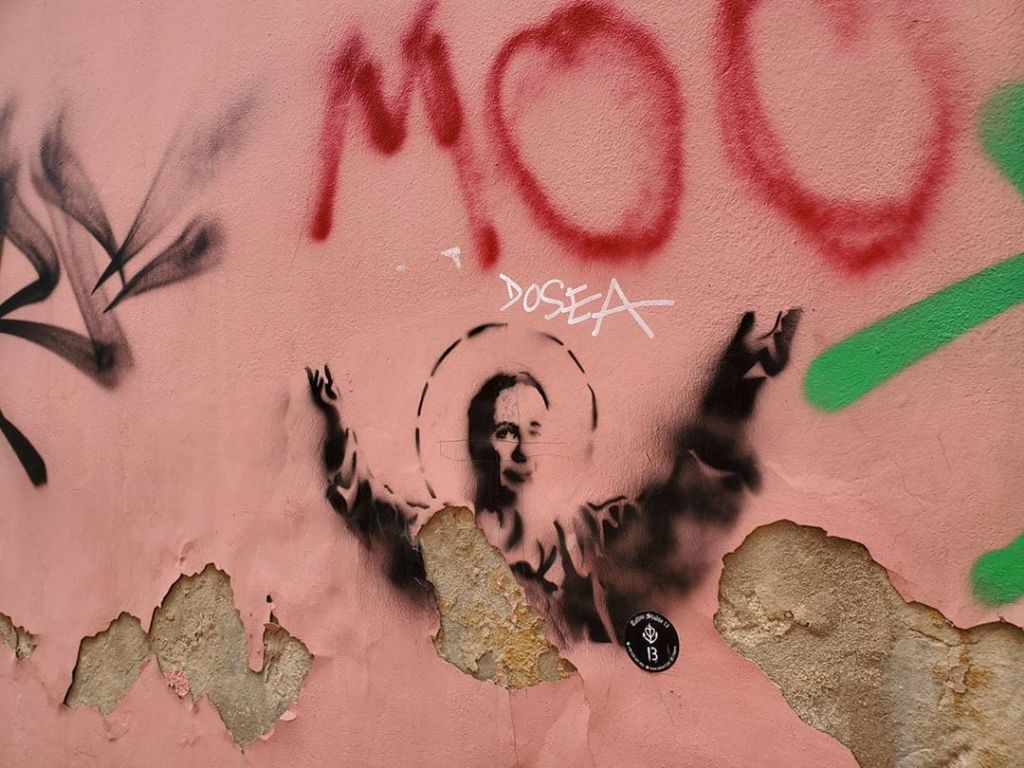
As you can see by my photos of Pula, the streets were almost empty…the absolute perfect way to see a city.
Unfortunately this won’t last much longer, Croatia as a hot European destination is catching on quickly so if you are looking for an amazing and beautiful country to see… I would suggest getting there sooner than later.


Loved it!
LikeLiked by 1 person